Naomi at Akita Week 10: EXCITING NEWS!!

November 10, 2016

OKAY, SO VERY EXCITING NEWS! I Facetime my mom pretty often while I’m here since it’s so easy without the usual time difference while I’m in Richmond, as she’s in Okinawa with my younger brother, Tyler. Well, she has met a couple of my friends here via Facetime including Patrik. She knows how close the two of us are and knew that Patrik had nothing planned for winter break. See, Patrik is staying here for a year so he has about a three week winter break to do anything. Well, I’m going back home to Okinawa from December 22nd – January 5th before heading back to Richmond and…
IMG_0987.jpg

My mom invited Patrik to come with me to Okinawa and he had to get approval from his parents AND HE JUST BOUGHT HIS TICKETS THIS PAST WEEK! HE’S GOING BACK HOME TO OKINAWA FOR ME AND I’M SO EXCITED!! I’m sorry for all of this excitement but it’s just…I’m so happy. We’re going to have so much fun. I get to show him where I grew up during high school and he gets to try Okinawa Soba and Milk Zenzai and all of the other Okinawan food that I love. I told him we’re going swimming at the beaches; I don’t care how cold the water is, we’re still getting in the water. We’re going to chill on the seawall. I’m so excited. You have no idea.

Another thing that made our day even better…after he bought the tickets, we started walking back to our dorms. I was talking to him about chilling on the seawall as someone passed us. This woman immediately turned around after hearing the word “seawall” and asked me if I was talking about Okinawa. I told her I went to high school there and she told me that she graduated from Kadena High School, the rival of Kubasaki High School, my school. I was shocked. I asked if she was a student here and turns out, she’s a professor! I told her that Patrik was going back with me this winter break and she told us she’s going back too. It was a great moment. Everyone from Okinawa understands how close everyone is, especially with the military life. I CAN’T WAIT TO GO TO OKINAWA WITH PATRIK!
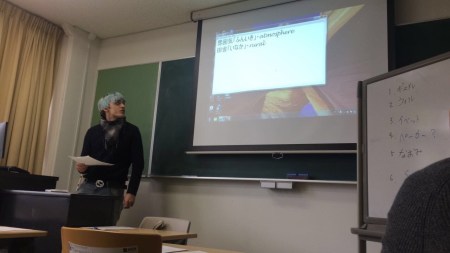
img_0958
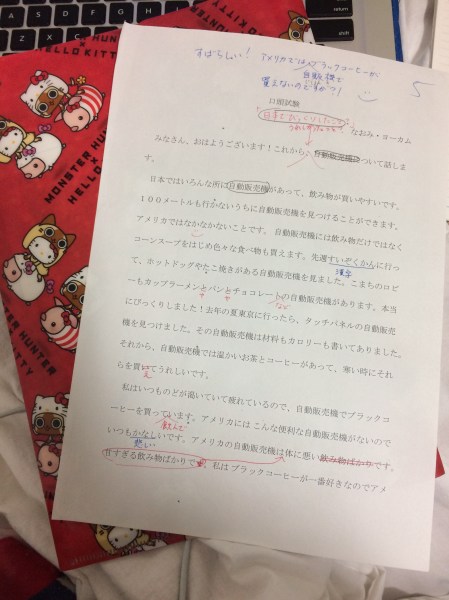
Remember last week how I mentioned we had a speech to give in Japanese class? Yeah, it went very well! I snapped a quick picture of Patrik giving his speech. If we used difficult vocabulary in our speech we had to put it on a slide and show it to everyone so they would know the English translation. Patrik talked about the culture shock he felt when coming to Japan. For example, how kind and helpful Japanese people are. I didn’t provide a slide of difficult vocabularly words because the Japanese words I used were words students in our level should already know, or so I thought. I talked about Japanese vending machines and how they sell hot food and drinks, and the convenience of selling iced black coffee, since they don’t have that in the states. After a speech, the students have to ask the speaker questions. I had about seven questions related to vending machines directed towards me. Just as I was about to thank everyone for listening to me, Will, one of my classmates, raised his hand to ask a last question. He asked me what 自動販売機 meant…he didn’t know the Japanese word for vending machine. Everyone started laughing. Here I am talking about vending machines and everyone asking me about vending machines and poor Will didn’t know what I was talking about. 亀井先生 (Teacher Kamei) laughed as well.

Cool Japan, a show on NHK that promotes Japan’s “creative industries” to foreign countries, came to campus and asked for international students to give two hours of their time to watch popular Japanese YouTube videos. After every video we had to write down our comments and rate the video. Between videos the camera crew would walk around and quickly interview students, getting our opinion on Japanese innovations. They had us watch videos on bullet train, PPAP (if you don’t know what this I recommend looking it up), bentos, and raw squid. We had to watch 43 videos. It took a while but it was interesting trying to understand why certain videos had millions of likes in Japan and even outside of Japan.


On Wednesday, there is no early Japanese class so Patrik and I decided to sign up to go to Omagari Elementary School to hang out with the students. The Division of Research and Community Outreach (RCOS) puts out events weekly for international students to participate in. Most of the events include going to elementary/middle schools and talking to Japanese students.

IMG_5996.jpg
We got to the school an hour early so Patrik, Okka, and I walked to a nearby grocery store to get some breakfast. It was super cheap. We were able to buy a 2L bottle of tea for less than¥100. We bought a couple of riceballs and some sweet bread then headed back.

IMG_6014.jpg
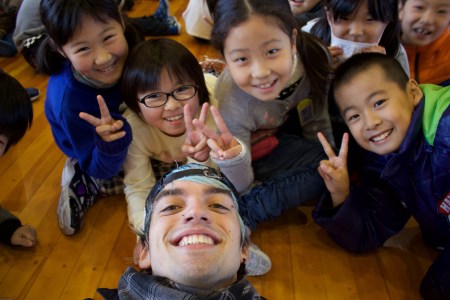
We were directed into the gymnasium and seated in front of all of the students. The students welcomed us by all standing up and singing a song to us. They were all so cute. Afterwards, we each had to introduce ourselves and introduce our home country with the file book we made ourselves. Of course, we had to do it in Japanese. It was a challenge but very fun to try out. Patrik stole my camera and ran to the back to snap a picture of me introducing the US to everyone. The kids yelled with excitement when they saw the pictures of the hamburger and pizza that was already included in the file book.


After we all introduced ourselves, we played a couple of games with the kids. The teachers all stood around and announced what games we were playing. We played Rock, Paper, Scissors first. I was so confused as to how they were paying but I understood towards the end. Everyone runs around while the music is playing and once the music stops you have to find someone to go against. The loser has to put their hands on the winner’s back and follow them around when the music continues playing. The winner runs around and looks for someone to go against once the music stops. The loser then goes behind the winner again. This is repeated over and over again until there are two winners left. You can imagine how hectic this is because the winner’s lines of kids behind them increases more and more with each win. Whoever wins gets to walk around the entire gymnasium with all the kids behind them. It was so funny seeing us, the older international students, following the winner in front of us and having more students behind us. The kids were too short to put their hands on our back so we all had to bend down!


The school provided lunch for us and it was quite delicious. Two students from each classroom had to bring our lunch trays to the classroom. Patrik and I were assigned to the same classroom for lunch so we followed the students there. I was surprised to find out that we were served the same amount of food as the elementary school students. The rice bowl was filled up only a quarter of the way. We were served a vegetable soup, gyoza, and some type of noodle and meat mix. We also drank milk with our lunch. I used to drink milk with every meal when I was younger but I haven’t in a while so it was interesting. The milk actually tasted really good.
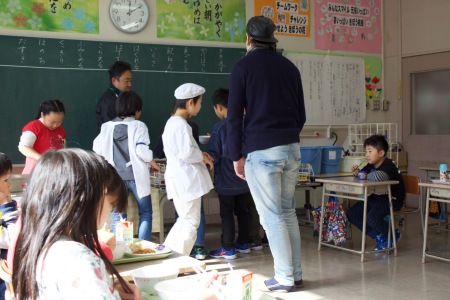
IMG_6039.jpg
Patrik ended up getting more food since it wasn’t enough. Funny because when we got back to campus he immediately went to his room to get more food because lunch wasn’t filling enough.
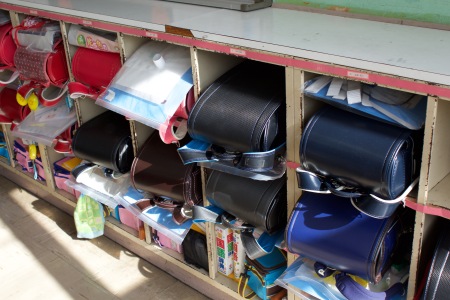
IMG_6041.jpg
I snapped a picture of the students’ backpacks. This is a typical Japanese backpack that you see in アニメ (Japanese animation) or 漫画 (comics). I used to have one because my mom made me attend Japanese Elementary School for a month every time we visited Okinawa during the summer. I had to wear a uniform but these students didn’t have to…quite envious.
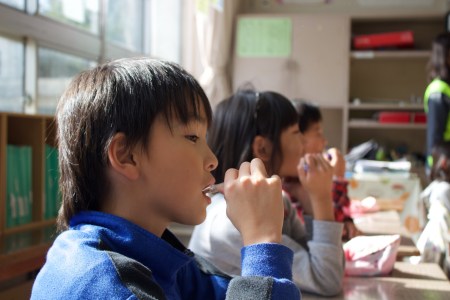
IMG_6043.jpg
Can you believe the students brush their teeth after eating lunch? Some kids didn’t even use toothpaste. The teacher told everyone to sit down and start brushing their teeth as she played some listening video in the background. Patrik and I sat there smiling at each other while watching the clean and healthy children.
img_6045
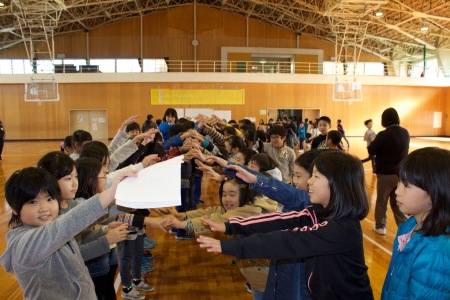
After lunch, we headed back to the gym to say bye to everyone. The kids made a tunnel for us and it was the sweetest thing. Again, since they were so short we had to bend down the entire time we ran through the tunnel. It was uncomfortable bending down for that long so I ran through the tunnel as fast as possible to get to the end quickly! I had such a wonderful time so I told Patrik we should sign up for another one. We’re going to try going to RCOS tomorrow and sign up for another Wednesday morning/afternoon one.
IMG_1002.jpg
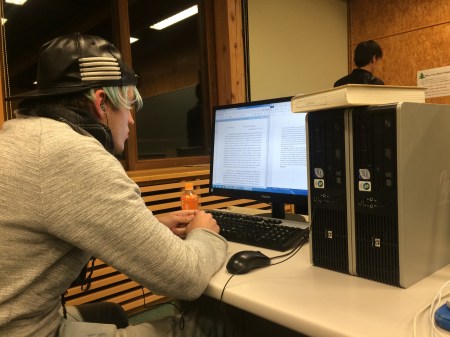
Unfortunately, Patrik and I have been stuck in the IT lab all day working on our papers. Fortunately, my paper has to only be 1500 words long; Patrik has to write a 4000 word essay. I actually just finished and left to go back home. Patrik wasn’t even half way through…he’s probably going to be stuck there all night. Poor guy. His paper is for his Japanese Literature class and my paper is for my Japanese Premodern History class. It’s our last long paper for the semester! We still have to write short papers for the discussion forum and come up with our final project. I should probably start coming up with an idea for that considering the semester is quickly coming to an end.


Naomi at Akita Week 9: 漢字漢字漢字

October 31, 2016

This past week has been pretty slow. People are getting sick and wearing masks to avoid the sickness spreading. It’s getting super cold. I ended up facetiming my mom who was sleeping in my room. I asked her why she was in my room and she told me the AC works better there…I almost jumped out of my chair when I heard that. She’s still using the AC while I’m over here freezing my butt off!

img_0813
I went for a walk after my classes since I had some free time. A couple of my friends told me that there was a dam about a 20-30 minute walk away so I decided to go find it. I listened to music the entire walk. Only about 5 cars passed me. I ended up finding the dam but didn’t take pictures, as it was already getting dark. There was a small green frog chilling on the fence blocking the dam.

img_0886
You know how Patrik always gives me coffee in those cup noodle containers? Well, I went to AEON (the mall) this past week and ended up buying some paper cups from DAISO (100 yen store, basically the dollar store). I also bought my own mug since I get coffee from him that often. I went to his room about 5 times this past week just for coffee. While we waited for the coffee to brew, we showed each other music that we recommend. Me with my hip hop music and him with his metal core music. It’s funny how close we are but how different we are, especially when it comes to music taste.

NekoPOP-FAKY-interview-2013-B.jpg
I forgot to mention but last week, Patrik was showing me some Japanese music he listens to and he ended up playing a song by a band named FAKY. I started freaking out because my friend, Diane, the girl I recently visited in Tokyo, used to be in that band. She ended up leaving it because she wanted to do something else I showed him one of their music videos and pointed out Diane and he started freaking out. We both started singing along to the music video and wow, it was such a surreal moment. If you want to check out one of their songs just type in “Better Without You FAKY” and you’ll see Diane with her long red hair.


There was a Halloween party at the Student Hall Thursday night. Isabella and I decided to stop by because my friend was performing. We thought we were going to be late so we ran all the way to Student Hall but ended up being early. We watched the costume competition and two guys dressed up as Cup Noodles won! Patrik was there as well with his skeleton face paint. Jay ended up performing and blew us all away. It was Isabella’s first time hearing him sing and “wow” was all that came out of her mouth.


Most of us went out Friday night for a Halloween party and ended up pulling an all-nighter since we were unable to get back on campus till the next morning as we had to wait for the trains to start running again. We slept all of Saturday and woke up around 4pm! Since we practically wasted the day, we decided to all cook dinner. Isabella and I went to AEON first to get the ingredients. She bought spaghetti and Carbonara sauce. I decided to make Goya Chanpuru, an Okinawan dish, since my mom sent me Spam in that care package she sent me last week. I bought tofu, eggs, and goya. Isabella already had salt and soy sauce so I was set. I had to call my mom before I started cooking to make sure I was doing everything correctly. She also sent me jushi, Okinawa style rice seasoning with vegetables and meat, so I had to make sure I was using the rice cooker correctly.


We had so much food. I made rice and Goya Chanpuru, Isabella made her spaghetti, and Annabelle and Kevin made chicken with some sweet chili sauce. Patrik was the only one that actually enjoyed the Goya Chanpuru; everyone else thought it was too bitter, which didn’t surprise me. Tristan actually said that we should all eat a mouthful of just Goya. I didn’t do it because I didn’t count, as I enjoy the bitterness. So, Tristan, Isabella, Annabelle, and Patrik all took about 5 pieces of Goya and stuffed it in their mouths. It was great. Annabelle made the weirdest face and immediately ate chicken afterwards to get rid of the taste. This makes Goya Chanpuru sound bad…I promise it’s actually delicious.

img_0925
This upcoming week, we have to give a 3-4 minute speech in Japanese class. We can’t have any notes or anything so we basically have to memorize our speech in just Japanese. I’m actually pretty nervous. For this speech, we had to decide to talk about either something that surprised us, saddened us, or excited us about Japan. I wrote about the vending machines in Japan and how the abundance of them surprised me.


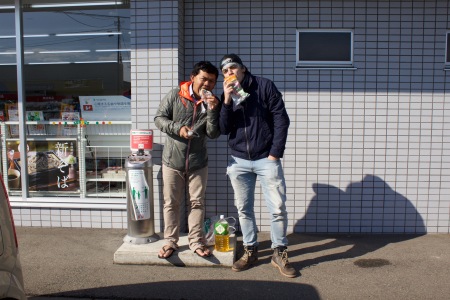
I’m not kidding when I say you will find at least three vending machines on every street corner in Japan. It’s unbelievable really. They have vending machines with hot foods, like hot dogs and cup noodles. They’re everywhere. Back home in Okinawa, right outside of our apartment, there are seven vending machines lined up outside, side to side. Even outside of convenience stores, they have vending machines lined up outside, despite the drinks they have right inside the store.

black-boss1.jpg
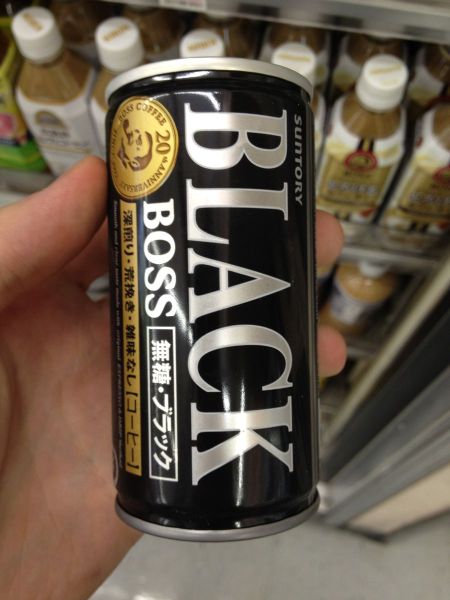
I appreciate it though because these vending machines sell iced black coffee. It’s a struggle for me when I go back home to the states because the only way to get iced black coffee is if you go to Starbucks or to some other chain store. It’s not as easy, common, and cheap as Japan.

img_0927In addition to the speech I have to memorize, I also have a 漢字 (kanji) midterm to study for and its just line after line after line. I’m even studying for it right now. I’ve been doing well in the class so I’m not too worried about it but this is an exam on ALL of the 漢字we’ve learned so far this semester…wish me luck!

Tori in Spain: The Boy Who Bowed

October 13, 2016

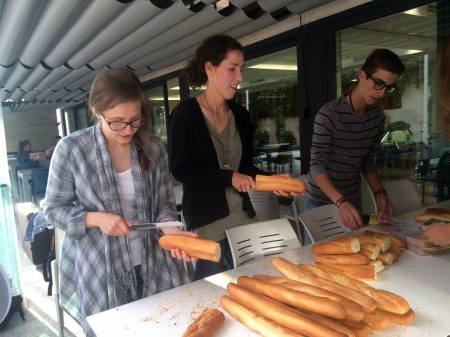
Since coming to Spain, I have had the privilege of joining BocaTalk, a group who walks through Madrid every week to sit with people experiencing homelessness and listen to their stories. Before we leave, we make sandwiches together to give to the people we meet that evening. However, our motto is, “It’s so much more than a sandwich,” because the focus is on listening, not material goods given.

14434824_252499318484599_1690192035843558972_o.jpg

14352336_252499008484630_2954004848823219923_o (1).jpg

I have been both broken and blessed through this experience. I am thankful it has broken me, because I believe people must be broken before they can receive blessings humbly and give themselves to others wholeheartedly.

Last Wednesday started off with a blessing named Maria. I sat with her for a long time despite my inability to understand and to express what I wished to say to her well in Spanish. The language barrier is still really hard for me, but she didn’t seem to care. I think she told me her life story, but am honestly not sure. Whenever we didn’t have words, we just looked at each other. That was powerful to me.

Her gaze held no bitterness or resentment. I often resent myself for the privilege I have been given, and I felt that she was skeptical of my intentions, but appreciated me despite my brokenness. As a knelt on the ground beside her place of residence (a box she sat on) and all of her belongings (a small cart), she was worried for me. “Why are you on the ground? Don’t get your pants dirty! You don’t need to sit on the road.” Here she was, an old woman whom had experienced oppression and exclusion from society, worried about me, a privileged White American on a semester of vacation. 
14380060_252499495151248_5317611357261838129_o (1).jpg

I told her I was so grateful for her words and thankful to have met her, she pointed at the sky and said “No, todas gracias a Dios.” All thanks to God. After that, I began to understand more of what she was trying to communicate to me. She told me of her Christian roots, how good the Lord was, and how He always heard our prayers. I wanted to pray for her, but she told me that prayer was for quiet, private places… not on the streets. There’s a verse in Matthew which says just that, and I was humbled by her wisdom and knowledge of scripture. Here she was, an old woman whom had been victim of abandonment and countless difficult circumstances, blessing me, loving me, and pointing me to Jesus with her steadfast faith and joy. 

I left her later that evening, and continued on with our group throughout the center of Madrid. I struggled with my ability to walk away from Maria. She could not walk away from her circumstances, so why was I able to walk away from hers without a scratch? Privilege is a terrifying and convicting thing.

Little did I know what was in store for me the rest of the evening. Less than a half an hour later, I met the boy who bowed, and our encounter broke me.

We were wandering the side streets of Puerta del Sol, when we came upon a man whom was lying facedown on the street, holding a cup in his hand. We tapped his shoulder to ask him his name and offer him a bocadillo, expecting nothing out of the ordinary. I was shocked when a young, beautiful pair of brown eyes met mine. This child could not have been older than my little brother, and here he was, alone in the streets. We tried to talk with him, but realized that he could not speak English or Spanish.

We left him a sandwich and walked away, feeling like we had nothing else to offer him since we didn’t share a language. This young boy was alone in a foreign country where he could not be understood nor could he express himself to others.

I felt paralyzed. 

I realized that we didn’t offer him a juice, so I grabbed one and ran back to him. I placed it in his hand, placed my hand on his shoulder, and merely looked into his eyes, hoping to communicate all I wanted to express to him through a look. Even if we had shared a language, words would not have been sufficient for this moment.

I left deeply disturbed and couldn’t hold back my tears.

WHY WAS I ABLE TO WALK AWAY? Why didn’t I sit with him longer? I should have stayed. Should have done something more. Should have bought him groceries for the week. Should have done anything to show him that he was loved and valued and worth it and not alone.

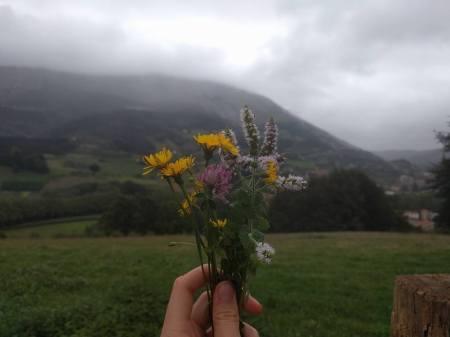
This experience has lead me to question the hip-evangelical-Christian subculture I immerse myself in at home. My love of bible verses in calligraphy, fancy dinner parties, hospitality, quiet times on perfect front porches, freshly picked wildflowers, acoustic music, hipster cafes, and organic food feels silly and superfluous when juxtaposed with Maria’s simple life. She loves the Lord with all she has, which is just herself. I have much to learn from Maria.

14522816_10210754330557859_8421211766892864513_n (1).jpg

Do we hide behind the trappings of our Christian subculture? What does it mean to live courageously and walk through life with open hands? Faith requires surrendering all we are and have to the Lord in the knowledge that everything we have we have been freely given.

Luckily, the Lord does not need us. He has already won. It can be easy to feel guilty and helpless and be paralyzed by the brokenness and inequity in this world, but we serve a God whose light cannot be subdued by darkness. My prayer is for the Lord to take my guilt and helplessness and change it into a fire within me that pushes me to give of myself, my money, my time, and my privilege in radical, courageous ways. I know it is impossible on my own, but trust that the Lord is inviting me into His beautiful story of redemption and healing in every moment, I just need to learn to say yes to those invitations.

A good friend and I sat down for coffee yesterday, and I began to process this experience with him and my frustration with privilege and guilt for the joy I derive from traveling, good food, and other material comforts. He wisely reminded me that in order to give to others, we ourselves have to be filled up. The list of things I love that felt wrong and superfluous after talking to Maria are all things that remind me of deeper truths and allow me to savor life with others. Without those reminders and relationships, I would not be wholehearted enough to give away anything at all.

14517551_10210706261916173_716815958584073377_n.jpg

I hope to see the boy who bowed again, and hope to give more courageously to him next time. Not because it is required of me, but because the Lord is inviting me into the extravagant adventure of loving and caring for His children.


Tori in Spain: The Story of Madrid

September 22, 2016

People keep asking me what my favorite parts of life abroad have been so far. Honestly, it isn’t the crazy, spontaneous trips, Instagram-perfect moments, or even the yummy tapas.  The simplest, slowest moments have been the sweetest. Watching the sunrise and set on my back porch, sipping espresso in the morning with my roommate, talking with my host mom after the kids go to bed, and snuggling with mi hermanito Juan. Long dinners, long conversations, and long days spent in solitude have made this time special. I feel like a story is being formed here, and every moment I remain in Madrid and am very present here, that story gets richer and richer.

madridstory3madridstory1


The more I fall in love with my family and friends and the story being told here, the less I am tempted to country hop all over Europe, because I want to discover more of what God has for me here. I think that places are significant, and investment in a place can lead to seasons of growth and deep connections. Even more than that, I think that people are important. People are what make places so special, and my family here has done that for me. Allow me to introduce you to the people who have added depth and dimension and wonder to the Story of Madrid.

My host mom Bella is absolutely amazing. Our conversations about Spanish politics, religion, food, favorite things, and our philosophies of life have truly been my favorite times of my entire trip. I love to learn from her and she is the only Spanish person who I feel fully understood by, since the language barrier often makes it hard for me to express myself to others.

madridstory7.JPG

We just celebrated the first birthday of my little brother Juan(ito), whom I love dearly. He crawls into my room with a huge smile on his face, just wanting to play and love on me. He has a mischievous and adventurous personality, and has never met a stranger. He is constantly smiling and giggling and truly has contagious joy. I want to be more like Juan. My other little brother, Cesar, is 3 and he can’t decide if he loves or hates me. Regardless, we love to play pretend “caballeros” (knights) and engage in ferocious duels “encima de caballos con espaldas” (on horseback with swords). I always end up dead, but never before we swap some serious trashtalk in Spanish.

Last, but not least, my roommate Amalie! She has become one of my dearest friends here, and I am incredibly thankful for her. She is very committed to learning as much Spanish as she can and truly doing life within the culture of Spain rather than having a typical “Americans in Spain” study abroad experience. This has really helped shape my perspective on my time here and helped me learn so much. I love her philosophy of life, and treasure our many meals together, long walks in the park, and jokes about how intimidating and cool Spanish young people are. She is very special, and I’m not sure how I got so lucky to have been placed with her randomly.

madridstory2madridstory4

A couple days ago, I tripped on my way to school, my things went flying, I face planted, and my knee got bloody, swollen, and bruised. I couldn’t fully express myself to the man who was trying to help me and I had a breakdown. Here I am, injured, bleeding, and crying in a place where I still sometimes feel like I am not known and cannot make myself known due to the language barrier. However, when I got home, I talked to Bella about how I was feeling, Amalie checked out my knee, and I snuggled with Juan. Even Cesar was concerned, and I did not die at the hand of his sword that night. I am so thankful for a family here that loves me, knows me, and allows me to rest and lean into the simple moments of life alongside of them.

madridstory8.JPG


Naomi at Akita: Week 3: Raw Egg

September 19, 2016

IMG_4380.jpg


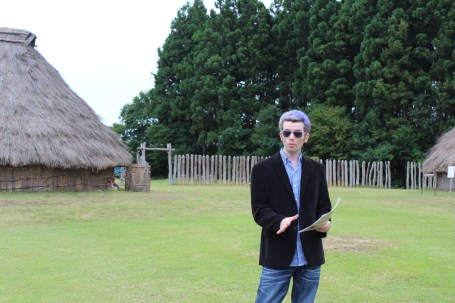
On Monday, my History of Pre-Modern Japan class took a field trip to the Yayoikko Village in Goshono – about a 15-minute drive away from the school. The Akita City Board of Education excavated this Jizouden Site, from Jomon and Yayoi Periods, in 1985. Four pit dwelling houses were found but only three were restored. The style of the houses is called “Kabe Tachi Shiki” which stands for Wall-Stand Type, as you can see in the two pictures above. Professor O’Reilly (pictured above – yes, he has blue hair) actually told us about 50 people lived in each house, which I found to be unbelievable. Our class consisted of about 30 students and when we all went into one house, it was already too stuffed. There was a small museum near this site that exhibited pottery, stone tools, and clay figurines. Some of the pieces of pottery we saw were used as children coffins and several clay figurines found were used as good luck.

IMG_4413.jpg

IMG_4410.jpg

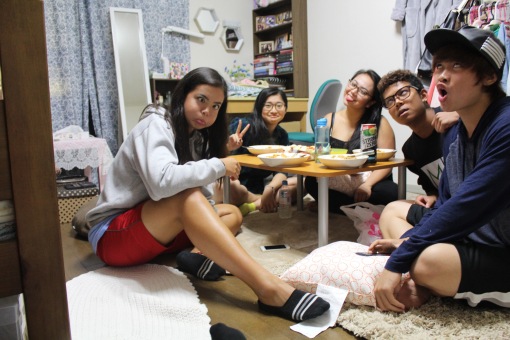
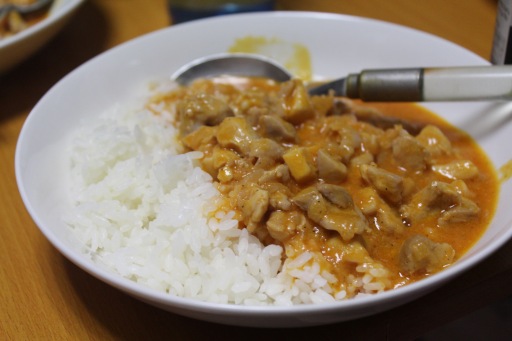
After a long day of classes and napping, our friend Isabella invited us over for dinner. She lives in the University Villages so her kitchen and bedroom are very spacious even though it’s only two people to an apartment. Isabella is actually half Japanese, a quarter Brazilian, and a quarter Italian so she made us Brazilian Strogonof with a side salad. とても美味しかった!We all ended up lying on the ground, listening to music, and teaching each other different words in different languages – Japanese, English, Portuguese, Slovak, etc. I’m telling you guys, you meet people from around the world when you study abroad. People from various countries meeting up in a small, close-knit community in Akita International University talking about things ranging from differing prices of beer to conflicting habits among cultures.

IMG_4461.jpg

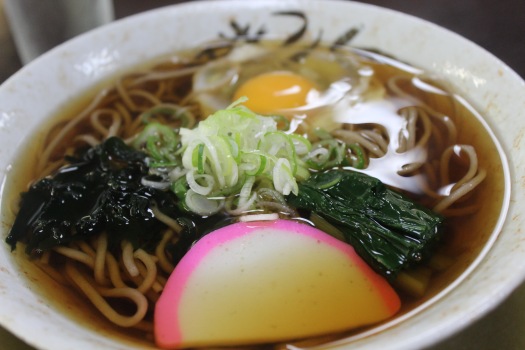
On Saturday, the school organized a day trip for all of the new students, including international and first-year students. The day consisted of going to a historical Japanese town full of samurai houses in Kakunodate. This historical town was first located in Mt. Furushiro. However, due to floods and fires, the town relocated to Kakunodate, an area with natural terrain, surrounded by mountains. The town is actually split into two parts between Hiyoke (fire shield): the samurai district and merchant district. Before we walked around to look at samurai houses, shrines, and temples, we decided to get something to eat, as none of us had eaten breakfast yet (we had to check in for the buses at 8am). We found a tiny restaurant that served soba, udon, and ramen. I practically inhaled my soba (pictured above); I’m sure you can guess what the best part of the soba was. We ran into a couple of souvenir shops as well and as you can see above, Okkasan had a grand time with a traditional Japanese straw hat.

img_4507

IMG_4535.jpg

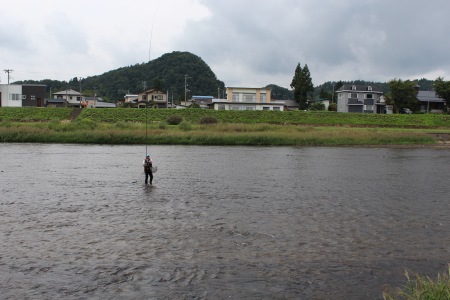
After eating, we headed towards the samurai houses that didn’t require an admission fee. We walked along a narrow street called Bukeyashiki-street – designated as a preservation district for nationally important historic buildings. Bukeyashiki translates to warrior mansions. The first picture is of a well from the Iwahashi Samurai House, which was a typical middle-class samurai house. We ended up walking to the front of a shrine, pictured above. Unfortunately, we were unable to go in, as a monk made an X with his arms. We kept walking and passed the Boshin War Graves as well. Of course, I did not take any pictures, as that is seen as disrespectful. As we had to head back towards the buses for our next destination, we walked across the Uchikawa and Yokomachi Bridges, passing several fishermen. The picture above of the fisherman was taken almost two seconds before he caught the fish. Takao, the guy with the grey shorts and glasses, saw the fish flying around. Naturally, we all clapped and the fisherman started smiling.

img_4560

img_4590

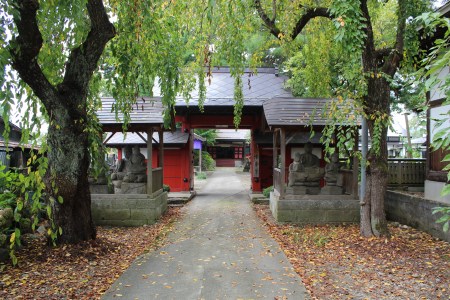
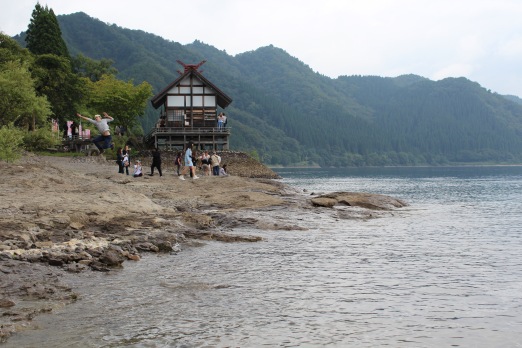
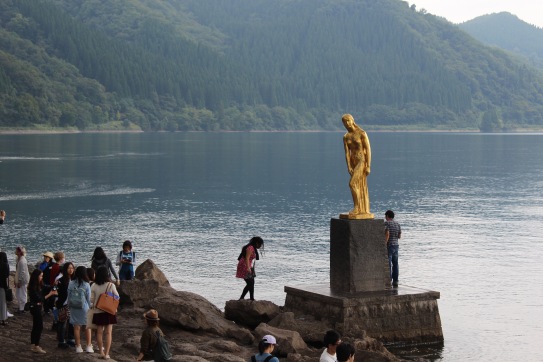
One of our last destinations was Lake Tazawa, the deepest lake in Japan – 423.4m deep! The statue pictured above is the Statue of Tatsuko. There’s actually a legend behind her and it’s quite confusing. Apparently, Tatsuko, a very beautiful girl living by the lake, wished to retain her beauty forever. So, the god told her to drink the water from a spring in a nearby mountain. She did what she was told but instead, became a dragon. She then lived in Lake Tazawa regretfully. That’s it. It’s very interesting and short. Anyways, the lake was very beautiful and calm. Some of the students started skipping rocks. There were a few fish jumping out of the lake. Unfortunately, a lot of fish have become extinct due to agricultural promotion but there were still a few swimming around. After the lake, we headed to Ando Jozo, a store specializing in miso and soy sauce. They even had soy sauce soft cream – it tasted like caramel. By the way, look closely at the first picture…do you see Patrick? I yelled at him to jump and this is what happened.


Tony in Switzerland: Tapas and Tanning

April 11, 2016

Olá pessoal! I’m writing to you all following my spring break adventures in Spain and Portugal. Studying abroad in Europe in the spring means that there are quite a few days off in order to respect Christian holidays. Semana Santa, in particular, allowed for a week of reverence…and also a break from my studies. I (finally) started my biology courses at UNIL, and I have to say that I am satiated with a balance of review material and completely new information. A week’s break was just what I needed after diving into pharmacology, neuroscience, metabolism, and endocrinology!


I first traveled to Barcelona with a group of friends from Lausanne. We, of course, went to the Sagrada Familia. Although beautiful, the cathedral is overwhelming!

I first traveled to Barcelona with a group of friends from Lausanne. We, of course, went to the Sagrada Familia. Although beautiful, the cathedral is overwhelming!


Here's a picture from Park Güell. Unfortunately, we were not able to visit the mosaics of the park, but we were able to tour the national park that surrounds it: a picturesque area that immerses you in a forest and rugged architecture.

Here’s a picture from Park Güell. Unfortunately, we were not able to visit the mosaics of the park, but we were able to tour the national park that surrounds it: a picturesque area that immerses you in a forest and rugged architecture.


Visiting Barcelona also allowed for another reunion with my friend and suitemate from UR. After the fun in the city, we continued our trip to Lisbon, Portugal. As a Portuguese-speaker, I was ecstatic to be able to speak Portuguese to random strangers and for handling sundry things.

Luckily for us, one of my friend's from Lausanne reconnected with a former exchange student from her host university in London, Ontario. Her friend gave us a private tour of Lisbon over the course of two days, including a trip to the Lisbon monastery.

Luckily for us, one of my friend’s from Lausanne reconnected with a former exchange student from her host university in London, Ontario. Her friend gave us a private tour of Lisbon over the course of two days, including a trip to the Lisbon monastery.


 Along one of the harbors in Lisbon, there is an enormous monument dedicated to the explorers who set out on adventures to the New World. As our tour guide put it, the monument was directed at me.

Along one of the harbors in Lisbon, there is an enormous monument dedicated to the explorers who set out on adventures to the New World. As our tour guide put it, the monument was directed at me.


 Following Lisbon, we traveled to Lagos, a touristy area a couple of hours away from Lisbon. I became enamored of the area and its beaches and will surely try to invest in property there.

Following Lisbon, we traveled to Lagos, a touristy area a couple of hours away from Lisbon. I became enamored of the area and its beaches and will surely try to invest in property there.


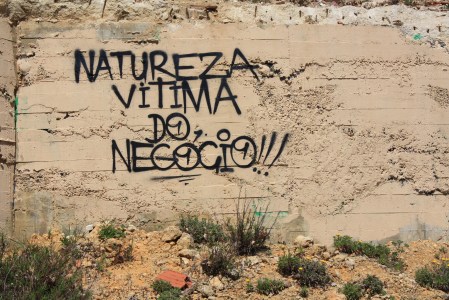
 Lagos had its own angsty graffiti as well. Someone pointedly spray-painted "Natureza vitima do negócio" ("Nature victim of negotiation") on a wall in front of a huge hotel resort.

Lagos had its own angsty graffiti as well. Someone pointedly spray-painted “Natureza vitima do negócio” (“Nature victim of negotiation”) on a wall in front of a huge hotel resort.


That’s all from me this time. The next few weeks are going to be filled with my biology labs and maybe a trip here and there, but science dictates my schedule. We’ll see how far I get by next week’s post! (Probably not that far–to the other end of the biochemistry building, maybe.)


Tony in Switzerland: Feeling the Berne

March 14, 2016

I’m unapologetically proud of the title for this post, but that might be the only sense of pride I have regarding my recent day trip to Berne. A couple of friends and I spent a few hours touring the city, and to be frank, it was the first time I experienced culture shock in Switzerland. I spend so much time in the Francophone quarter of the country that I had trouble adjusting to hearing and seeing German in Berne. Here are a few pictures of what ensued from our adventures around the city.


The city streets in Berne reflect more of a German influence than a French or Italian aesthetic. What interested me the most were the series of basements for each storefront.

The city streets in Berne reflect more of a German influence than a French or Italian aesthetic. What interested me the most were the series of basements for each storefront.


Although Berne was very different from Lausanne, there were a few similarities, notably this example of graffiti that captures existential European angst.

Although Berne was very different from Lausanne, there were a few similarities, notably this example of graffiti that captures existential European angst.


I would not refer to Berne as a tourist-heavy city. As the capital of the country, there are, of course, a few museums and nature parks to visit. However, there is a certain trademark (for lack of a better term) that defines Bern as a self-directed metropolis, as if it bears no need from the rest of the world.

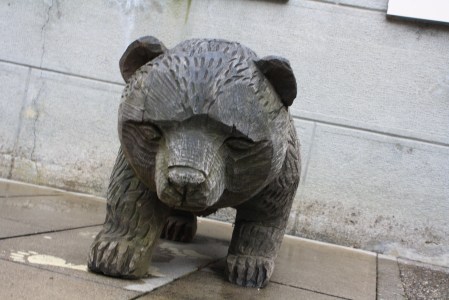
Bears are definitely emblematic of the city. There is even a park to visit bears that roam the grounds.

Bears are definitely emblematic of the city. There is even a park to visit bears that roam the grounds.


Unfortunately for us, the actual bears were hibernating, so finding the different statues around and above the city made do.

Unfortunately for us, the actual bears were hibernating, so finding the different statues around and above the city made do.


This might be the most curious thing I've ever seen in my life. It is a statue of an ogre eating babies. Some historians speculate it has anti-semitic roots. Others refer to it as a representation of Krampus. If you want to find out more, google Kindlifresserbrunnen!

This might be the most curious thing I’ve ever seen in my life. It is a statue of an ogre eating babies. Some historians speculate it has anti-semitic roots. Others refer to it as a representation of Krampus. If you want to find out more, google Kindlifresserbrunnen!


Stay tuned for my next post! You might be surprised to find out who will be making a guest appearance.


Tony in Switzerland: Studying Abroad…in D.C.?

February 4, 2016

Hey everybody! My name is Tony, and I am a junior at the University of Richmond, majoring in Biology and French with a minor in Studio Art. ­I know…I’m all over the place. Fortunately, I was able to find a program in Switzerland that caters to all of my interests. This spring, I will be studying at the Université de Lausanne (UNIL) where I will take biology, literature, and art history classes. Plot twist: they’re all going to be taught in French.

Richmond’s French department continues to encourage me, though, which is comforting when I think of how hard biology will be when it’s taught in French. One way or another, I’m excited for the challenge, especially after being home on Cape Cod for all of winter break. Most of my friends have already gone back to their universities, and my parents have left for a month’s trip to Brazil to visit family. In other words, I spent the majority of winter break at home alone or working.

That all changed on January 25—six days before my flight to Lausanne. Throughout all of break, I never received word about my visa from the embassy in D.C., which wasn’t for a lack of effort on my part. I emailed the embassy on the 5th and the 19th with no new information. My advisor and I became so worried that we started contacting my coordinator at UNIL for help. He pulled some strings and reached the cantonal authorities in Geneva. As it turned out, my visa had been authorized January 7, but I didn’t receive any notification about it. I started planning everything I could do to get that visa in time for my flight on the 31st. Would it be difficult? Probably. Would it be impossible? I hoped not.

Day One of the Visa Adventures: I was optimistic and immediately called the Swiss embassy to ask if I could expedite the visa authorization process, but as you might remember, the weekend of January 22, 2016 was a busy weekend for snowplows. Winter Storm Jonas challenged emergency preparedness everywhere, especially D.C. The embassy was closed that Monday because Jonas completely buried the city.

I wouldn’t give up yet. I decided to drive down to D.C. the next day and gamble on the embassy’s opening. Unfortunately, I grossly overestimated how well the city would be cleaned.

Day Two: I drove all the way down from Cape Cod to the wreck that was D.C and found that the embassy was still closed. I ended up driving down to Richmond to pay my friends a visit before going back to the embassy the following day. Free housing for the night didn’t hurt either.

Day Three: my friends and I started the day with a classic DHall breakfast. I called the embassy from my preferred third room booth and discovered that it was open. However, the receptionist let me know that no visa questions are answered over the telephone or in person. After talking it over with the OIE, I drove back up to D.C. I parted ways with my friends and reached the embassy before closing time. When I arrived, I was immediately turned away because according to the embassy’s policies, visa questions are only answered in the morning. I shockingly didn’t catch that when the rule is masked by three links on their website. Back to Richmond I went to spend the night in my friend’s apartment once more.

Day Four: I woke up aggressively early this time around and headed up to D.C. This time, I actually got to speak to the visa officer who told me that she could not issue the visa within the same day. At best, she could expedite the process so that I would receive it the next morning. Considering how soon my flight was, I agreed.

Here’s where the story gets pathetic, as if it wasn’t already. My car is expecting an oil change once it reaches 41,000 miles, and at that point, I was getting really close.

Somehow, my friend Amalia anticipated that I’d be stuck in another conflict with the embassy. The night before, she offered to let me sleepover her house in Maryland should anything happen at the embassy. She had been planning to go home for the weekend and knew her father wouldn’t mind the company. I ended up taking her up on the offer to pick up my passport the next morning. Amalia and her father would not be home until the late evening, though, which meant that I had roughly 6 hours to spend before driving to her house. Here are some of the pictures of what ensued from the #tonytakesDC campaign.


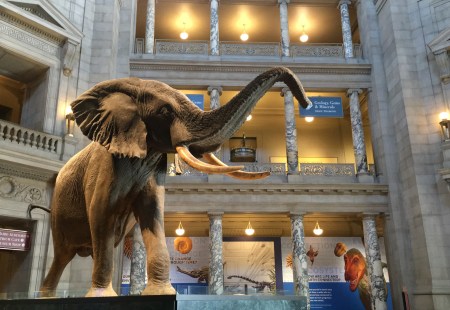
No elephants were harmed in the making of this photo.

No elephants were harmed in the making of this photo.


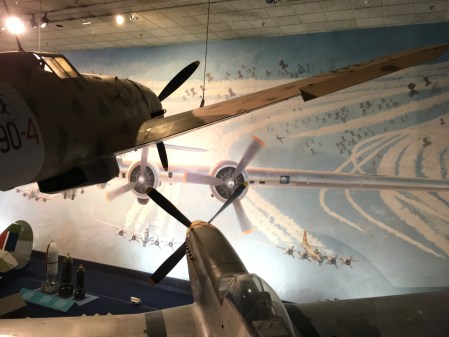
Living my brother's dream of seeing the Air and Space Museum.

Living my brother’s dream of seeing the Air and Space Museum.


I only made him mildly jealous.

I only made him mildly jealous.


At the end of the day, I toured more of D.C. than I have of Cape Cod and then drove to Amalia’s house. I was able to spend some quality time with her two cats and also Amalia and her father.


Fortunately, Amalia's cats were very photogenic. Meet Anna Maria.

Fortunately, Amalia’s cats were very photogenic. Meet Anna Maria.


And of course, the killer cat, Felix.

And of course, the killer cat, Felix.

Day Five: I got my visa. Nothing else is important anymore. I finally got my visa. Five days, 1,568 miles, and eight trips to the gas station later, I finally got my visa.


Lausanne, here I come! One day to go!

Lausanne, here I come! One day to go!

My flight to Switzerland leaves tomorrow, and now that I have my visa, I can calmly start packing. Although, what better way to procrastinate than by starting this blog? Check it out next week when I’m finally in Switzerland!


Lindsay in Thailand: Vietnam & Beyond

December 2, 2015

Please excuse me if I may sound like a broken record, but after my fall break this past week, I still believe “a lack of formal plans or expectations makes for the best adventures.” Little did I know, a lack of a valid Vietnamese Visa does too. And so the adventure begins…

One week before fall break, the scramble began. I entered my program’s student activity room to find my like-minded friends crowded around computers.

Pictures of random places were pulled up on the screens and the air was filled with frantic questions. “Where are you going?” “That looks cool” “Well, maybe we can go there too.” Simultaneously, tabs with destination information all the way from Korea to Singapore with every country in between were pulled up on my computer screen. For the next nine days, Southeast Asia was my oyster, and I had no idea where I was going.

Eventually, after much debate with myself, I decided I would not try to squeeze in the wonder of Angkor Wat or Bali’s beaches, but rather experience as much of one country as I could. Vietnam seemed to have it all, from cascading mountains and quiet beaches to busy city streets.


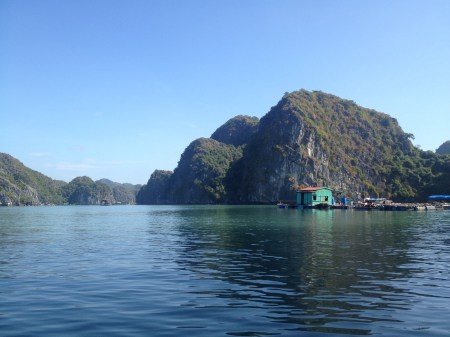
Little wonders- Ha Long Bay, Vietnam

Little wonders- Ha Long Bay, Vietnam


My only travel transaction was a round trip ticket from Bangkok to Hanoi for most of the week until the rest of the plans eventually fell into place. Before break began, my friend Billy and I inquired about a Vietnam visa from several different sources, including the Thai embassy. We were told that it was possible to get a tourist Visa upon arrival in Hanoi. Little did we know…

We took the overnight bus to Bangkok with several of our friends and arrived at the Don Muang Airport before 4 am—plenty of time to spare before our 7:15 flight. I found out in the check-in line, however, that a pre-entry form was required to enter Vietnam, and that we would not be making our flight. We applied for the rush visa application service that claimed processing took “3 hours at the most.” That Saturday, however, was a holiday. Rather than pay the $200 to get the other available last-minute entry form, we returned to the drawing board. Within four hours, we were on a flight to a southern Thai island, Krabi, and would not return to Bangkok until Monday evening. On Tuesday afternoon, we flew to Hanoi and spent the night there. The next morning, we traveled to Ha Long Bay in Northeastern Vietnam and I eventually met up with four friends to adventure to Sapa in Northwestern Vietnam. Throughout my traveling within Thailand and beyond its borders, I have learned some things and I thought that I would share them with you.


Because of the changes in our travel plans, Billy and I were able to enjoy a meal with Dominiki, a fellow UR friend and Bonner Scholar currently studying in Bangkok.

Because of the changes in our travel plans, Billy and I were able to enjoy a meal with Dominiki, a fellow UR friend and Bonner Scholar currently studying in Bangkok.


  1. Do your research- I am all about the random adventures, but once you decide on an adventure, it is a great idea to acquire some additional information. For example, sometimes while traveling no matter how much I attempt to “speak the Thai way,” my American accent reveals itself, and so do the “farang prices.” Before you get charged extra, look up some additional information on the Internet of where you are headed to or what you are doing. From personal experience, simply searching how much a taxi ride should be to a destination could cut your costs in half.
  1. Take the Local Transport- Compared to the U.S., transportation in Asia is pretty inexpensive. Although these rides can take up a little more time, it can be time well spent talking with the locals and enjoying the beautiful views out your window. Also, for extended rides, consider taking an overnight train or bus so you don’t miss out on exploring during the day and you can avoid the price of additional sleeping accommodations.


I brought my birthday cards from family and friends on the trip with me and found the overnight train ride to be the perfect time to read them.

I brought my birthday cards from family and friends on the trip with me and found the overnight train ride to be the perfect time to read them.


  1. Learn the language, or at least the magic words– When traveling to a different country, always try your best to learn the magic words- ‘please’ and ‘thank you,’ ‘hello’ and ‘goodbye’…and ‘bathroom’ is probably good to know, too. Kind words go a long way no matter what country you are in. Attempting to learn a foreign language shows those you interact with, even if they can speak English, that you recognize you are the one coming into their country and you appreciate their language and culture.
  1. Start Climbing- No matter the distance or the number of steps, always climb to the tippy top of wherever you are. Not only can this venture provide an incredible view of the area, but it often elicits this certain spectacular emotion of feeling so small in a such a big world. Pull up a chair (or a rock), sit there, take a deep breath, and take it all in.


Billy and I at the ‘Overlook’ in Koh Phi Phi, a Southern Thai Island.

Billy and I at the ‘Overlook’ in Koh Phi Phi, a Southern Thai Island.


  1. Look into booking a backpacker’s hostel– Hostels are definitely an establishment that I have come to love while studying abroad and will miss when I return to the states. Not only do most of these backpacker hostels offer the same amenities as hotels for a cheaper price, but they also allow you to meet interesting people from around the world. I have discovered that Southeast Asia is a huge European vacation spot and it has been wonderful talking with these travelers. Some of the best food I have eaten, cultural sites I have seen, and shopping I have done has been because of these backpacker’s personal experience and advice they have received from their friends and families who have visited the places before.
  1. Take the road less traveled by (even if it is up a steep mountain)– When on vacation, it is easy to fall into the common traveler’s trap. It’s great to experience all the touristy things a place has to offer, but also venture down the alleyways and find the cutest coffee shops. For example, when you are offered two options- to do an easy trek with more tourists or a 16 mile hike up a mountain with no one around but the Sa Pa tribal groups-take the longer route. Even if you’re legs scream at you now, your soul will thank you for it later.


Sa Pa, Vietnam- one of my favorite places on Earth.

Sa Pa, Vietnam- one of my favorite places on Earth.


These two children, ages 6 and 8, walk more than one and a half hours up and down the mountain everyday to get to and from school.

These two children, ages 6 and 8, walk more than one and a half hours up and down the mountain everyday to get to and from school.


  1. Learn from the Locals– My favorite part of my trip was talking with the individuals who lived in the area, especially in Sa Pa, Vietnam. Our trekking guide, Pen, let us not only see into the history and culture of the area, but also into her daily life and routine. You can learn so much through personal exchanges, which can make you fall in love with the place even more.


Although these Sa Pa Sister guides trek 11 miles up the same mountain everyday, they still take the time to sit and enjoy the view.

Although these Sa Pa Sister guides trek 11 miles up the same mountain everyday, they still take the time to sit and enjoy the view.


  1. Obtain a VISA before entering a foreign country– Yes, this seems quite obvious. But if for some reason things don’t work out as you initially planned, don’t sweat it. Take a deep breath, get creative, and see this hiccup as an opportunity for a new adventure. Oh, and eventually add it to your anthology of amusing stories.


Lindsay in Thailand: The Thai Funnies

October 19, 2015


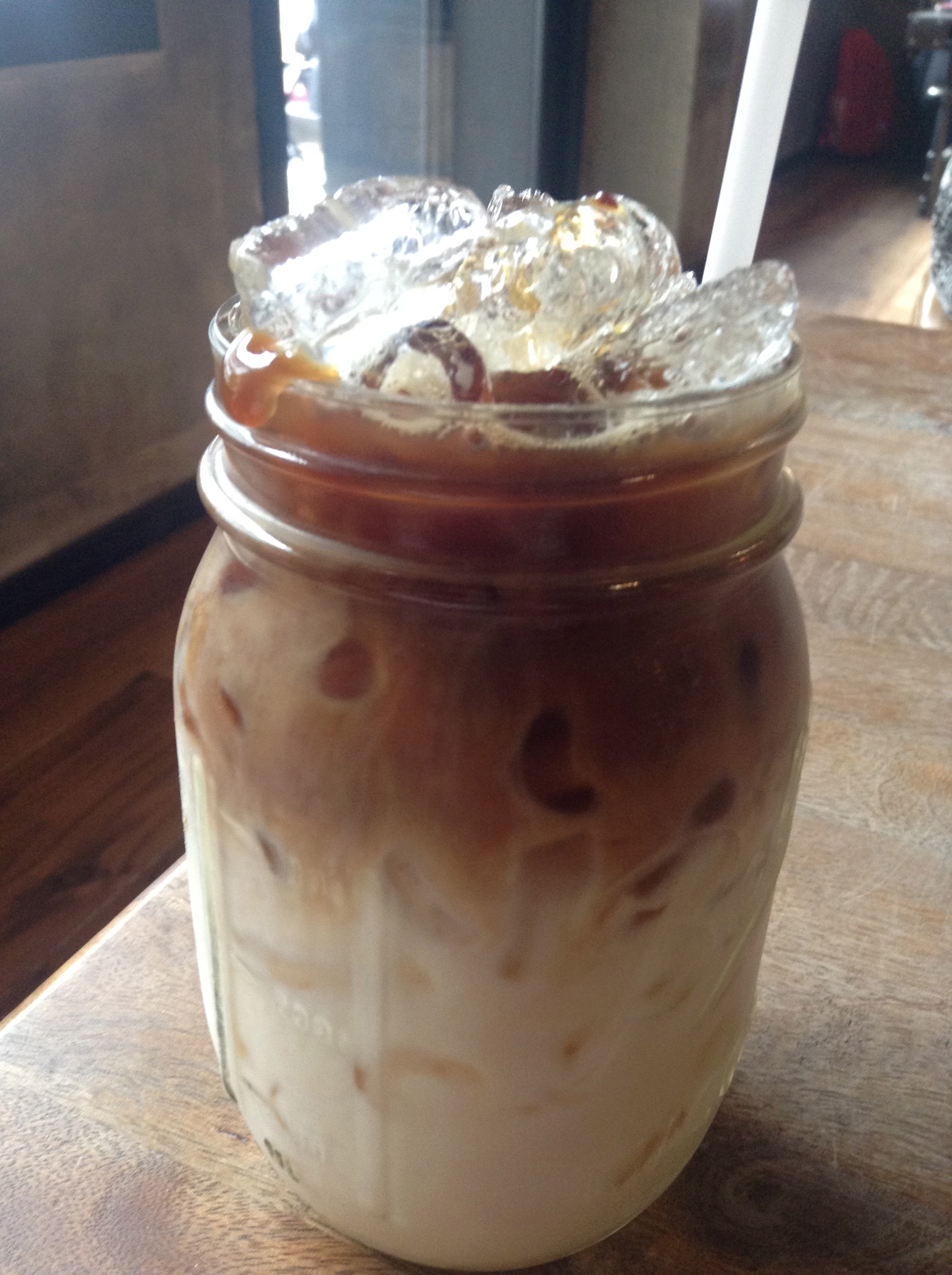
I had an iced latte. Now I'm just missing the pumpkin spice.

I had an iced latte. Now I’m just missing the pumpkin spice.


Today, I reminisced a bit about home. I found myself missing Fall leaves and the stereotypical pumpkin spice latte. I decided to somehow satisfy my seasonal coffee craving as I put on my scarf (in the 80 degree heat) and headed to a quaint café nearby. Even with my personal attempt of a mock pumpkin spice latte, I craved something unusual- what my Gram might call the Sunday newspaper “funnies.” Using this as inspiration, I thought I would make my own written comics, compiling a few funny occurrences and random thoughts from my Thai adventure so far. Enjoy!

  1. Apparent Differences in Distance
  2. Language Barriers or Avenues of Understanding
  3. Finger Foods
  4. Facebook (and Selfie) Official

Apparent Differences in Distance

My first morning in Khon Kaen, my lovely roommate and her friend wanted to take me and another exchange student out for breakfast. They informed us about a great cafe nearby, Have a Break. We walked 25 seconds down the street from our apartment, hidden from the sun under our umbrellas, to find that Have a Break was closed. Disheartened, our Thai roommates turned around and began to head back to our rooms. I then suggested going to another cafe two buildings down. With this proposal, they stared at the further café’s sign for a couple of minutes and insisted it was too far away. I replied that I did not mind the extra exercise, and in another ten seconds, we arrived at Cafe Me 2 less than 100 yards from our original departure point.


My first, and definitely not last, honey toast

My first, and definitely not last, honey toast


A closer look a the infamous Thai dessert!

A closer look a the infamous Thai dessert!


Before leaving for Thailand, I envisioned the people to be extremely active, contrasting them to the stereotypical “lazy Americans” who use drive-thrus so they do not have to get out of their cars to pick up food and who even drive in circles to get the closest parking spot at the gym (I know… I’m guilty of this too). I was shocked to find the existing aversion to walking not only in the city of Khon Kaen, but also in many rural villages. Thais love their motocis. I have been told that “walking four miles is dangerous” and have also been driven to village houses 100 yards down the dirt road. If you see a Thai individual, especially students in Khon Kaen, it is likely that their motoci is just a step and a hop away.


My Thai roommate, Yui, on her motorci

My Thai roommate, Yui, on her motoci


P.S. In addition to seeing up to four people on one motorbike, do not be surprised to also see cages of rabbits, full-grown Poodles, and babies like I was!

Language Barriers or Avenues of Understanding

At my first community homestay, I accidentally caused a ruckus. I stayed in a rural village a half of an hour outside of Khon Kaen with a Thai family for three days. My family consisted of my ‘Mehh,’ ‘Paw’ and another exchange student, Billy. Each morning, Meh made a ginormous breakfast that in actuality could constitute both lunch and dinner, as well. One morning, I approached my Meh in the kitchen with the little Thai I knew. As she fried chicken, I made a chopping gesture to indicate I wanted to help prepare the vegetables. She stopped what she was doing and simply stared at me. I repeated the motion as her head tilted in confusion. I then stated ‘sa poem pack.’ Now, I know this phrase does not come close to what I wanted to say, but at the time I thought “hair wash vegetables” might suggest rinsing veggies. With no luck, I tried ‘ab nahm pack.’


Keo Kruyah Kone chan (my family): One of our lovely neighbors, myself, Meh, Billy, and Paw

Keo Kruyah Kone chan (my family): One of our lovely neighbors, myself, Meh, Billy, and Paw


Ab nahm, meaning to take a shower, is a word Thais know very well. It is not uncommon for Thais to shower up to three times per day, so Thai families often offer their shower to guests even before offering a cold beverage.


My family and neighbors packing all the leftover food Billy and I could finish for breakfast for our lunches...Yum!!

My family and neighbors packing all the leftover food Billy and I could finish for breakfast for our lunches…Yum!!


In actuality, I did not want to shower with vegetables, but my Meh thought I did. She handed me an assortment of greens as she escorted me upstairs to the bathroom. I refused, and in desperation, Meh handed me forks, knives, spoons, and fruit as I was sat down at the table. Meh’s cries for help as she leaned over the fence could barely be heard over Billy’s laughter. Soon enough, I found myself swarmed by ten villagers attempting to understand that I simply wanted to help Meh make breakfast, not wash vegetable hair or shower vegetables.


Students gathered together as our Thai families gave blessings in a traditional ceremony before our departure back to Khon Kaen.

Students gathered together as our Thai families gave blessings in a traditional ceremony before our departure back to Khon Kaen.


Although that was an experience in itself, I did not find the next one as humorous. Because I was leaving for Singapore to visit my friend Colleen right after class, I wanted to make a copy of my passport photo on my lunch break. I arrived at the photo shop soaked after an unexpected monsoon and handed the worker my soggy photo. I requested one ‘4×6’ photo, and what did I leave with an hour later? Not only four 6x6s photos, six 4×4 photos, 150 baht additional payment, near tears, and a single 4×6 passport photocopy, but also a new understanding and appreciation.

While I intentionally attempted to remain calm and refrain my frustration, the photo shop worker did it with ease. He did everything he could to help me, from bringing out an electronic translator to offering his own money to pay for the photos I did not intend to purchase. For such a simple gesture, it made me question myself: How helpful am I to those who don’t speak English in America? How accommodating are we as a country to non-native English speakers?

I cannot count the amount of times I have heard the phrase “If you want to live in America, speak English.” I have heard of many people hanging up the telephone or raising their tone of voice with telephone assistants who are difficult to understand. I myself have giggled when I heard foreigners mispronounce an English word.

Since becoming more aware of our nation’s language deficit, I found I do not have much room to laugh. A mere 18% of Americans are fluent in another language while 53% of our European counterparts are fluent in at least one other language.

I myself have traveled throughout Europe and I cannot say anything more than ‘hello,’ ‘thank you,’ and ‘goodbye’ in any of the six countries I visited. Many citizens in these European countries; however, could hold conversations with me in English. They did not know if I was a tourist, new community member, or established citizen, yet they catered to my little comprehension.   Yet, I can still recall several moments of frustration when they did not understand my questions and requests—all in English.

Until now, I have expected others to accommodate to my sole English speaking capabilities. I had never honestly and intentionally tried to master a language. I had never been in a place for an extended amount of time where I could not find a single soul who could speak English. Have you?

I swear that if the Thai people had not expressed so much kindness and patience with me (and my language incapability) as they have so far, my experience would be very different. Studying abroad in any location is a difficult transition, even if you do speak the same language. I could not imagine permanently moving to the U.S. as a foreigner or refugee, searching for a new adventure or new life, and not being given the same assistance the Thai people have willingly offered. Before evaluating someone else’s communication abilities in the U.S., I hope to recall the difficult language barrier I faced, and the beautiful friendships I formed through eventual and somewhat unconventional communication methods.

Finger Foods

I have always been a fan of eating with my hands and playing with my food, and I am happy to say Thailand is too. In my first week of orientation, I took a class called “Thai Etiquette.” Along with learning how to properly wai, situate my legs while sitting on dinner mats, and point my feet in a temple, I learned how to eat with my hands.


A Thai etiquette class

Thai etiquette class


Although I was thrilled to eat with my hands, I was not initially as keen on all the food sharing. For any fans of the television show, Friends, you might say I was Joey who “doesn’t share food” as easily. That has sure changed for the better! In Thailand, communal eating is very popular. In Isaan villages, the families roll out mats onto bamboo tables. The family will then gather cross-legged on the mat, surrounding the bowls of traditional Northeastern Isann food.


IMG_3143

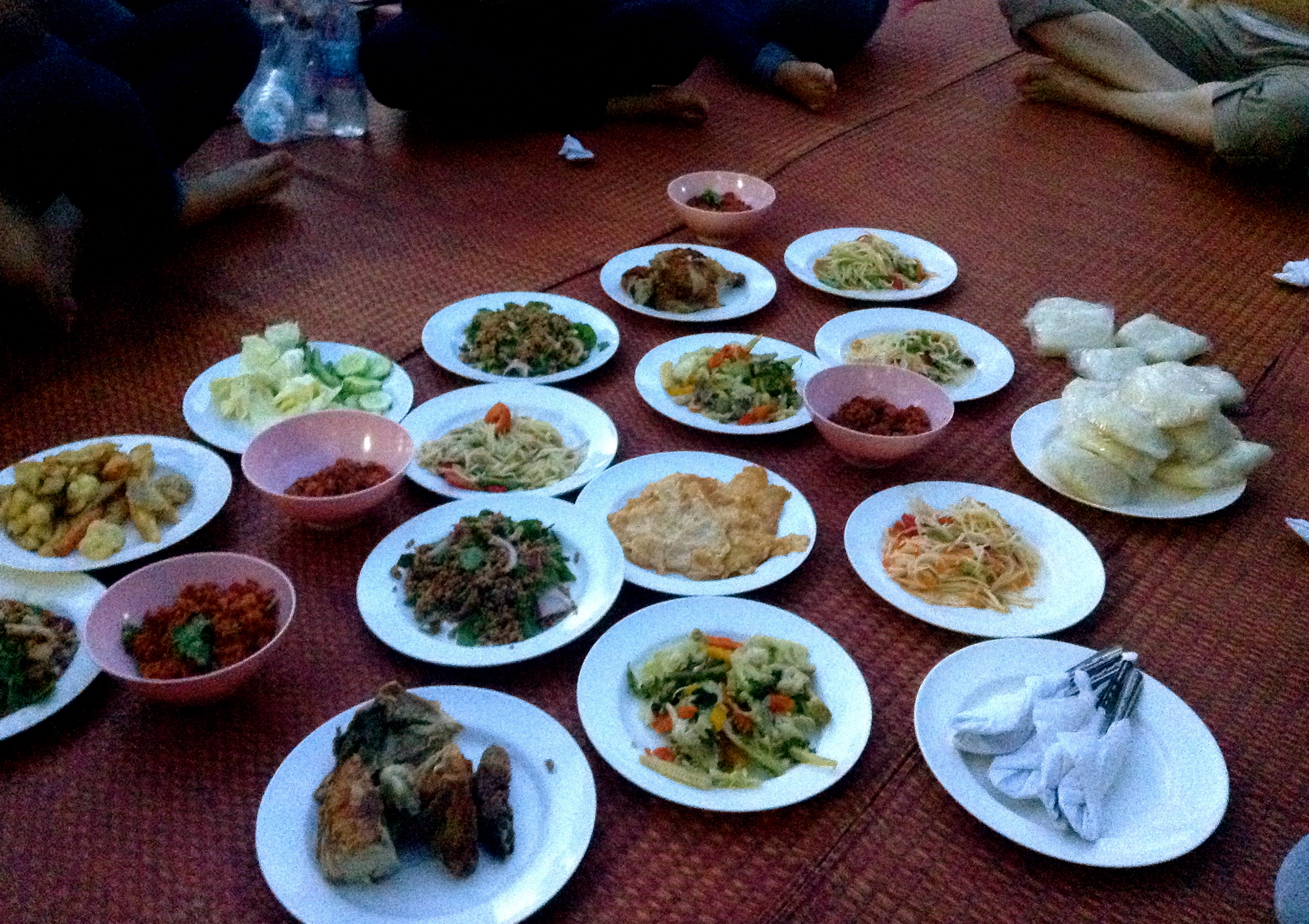
A traditional Isaan meal


At any homestay, I can be sure to find Som Tom (spicy papaya salad), blah toad (fried fish), ky toad (fried egg), guy yong (grilled chicken), and moo bing (minced pork) at breakfast, lunch, and dinner. Proper technique includes making a small ball of cow neow (sticky rice) and using that as a ‘spoon’ to scoop up small bits of each of the dishes. No one has a personal plate and communal eating utensils are also used (which means less dish washing).

This communal finger food setting is one that I love! Not only does it avoid loading your personal plate with more than you can handle, it also ensures you will not feel bad about wasting food left on your plate or stuffing yourself (too much, although it is inevitable most of the time). You do not have to worry about finishing your meal too early or being the last to finish because you simply eat until you are satisfied-no rush needed.

You can also extend the ‘communal’ eating aspect to ‘community’ eating. At each of the five village homestays I have been to, it is not uncommon to have seven or more additional friends and relatives gathered around the family’s table. Eating is considered an art form, and one that everyone should enjoy. Meh and Paw do not hesitate to yell “gin cow” to random passer-bys on bicycles, tractors, and motorcycles. ‘Gin cow’ literally means ‘eat rice,’ but also ‘eat food’ because most every dish involves some form of rice- white, black, purple, red, sticky, sweet, fried etc.,. The list goes on and on.

Facebook (and Selfie) Official

Farang; a word I might even consider a nickname now. Farang in Thai means “a person of white race.” I hear this term quite often followed by shutter clicks and camera flashes. Once, while on an overnight seven-hour bus ride to Bangkok (without my fellow ‘farang’ friends), I was sleeping with my night mask near the aisle. I woke up quite quickly when a bright light crept under my cover. A girl two rows ahead of me was taking a selfie with my ‘farang’ self and forgot to turn off her flash. She was initially shocked when I became quite aware of it but was not too embarrassed as the picture taking continued without hesitation.


My first Thai selfie, complete with peace signs and all

My first Thai selfie, complete with peace signs and all.


This experience was unique, but not too dissimilar to others. In Thai culture, it is much more acceptable to take pictures of people you do not know. I have had hiking tour guides, children, restaurant owners, gym instructors, and even Thai government officials sneak pictures of farang.

Keep in mind; however, that even if you don’t ever meet those people again, those stealthy photos may resurface. Many times, you can even view them as a shared link or as a post on your facebook wall. When I was studying Thai with a friend at a local café, two Khon Kaen university students were seated next to us. We didn’t speak to each other during the four hours we were there, and I only occasionally heard giggles after I attempted to formulate Thai questions and responses. (Then again, if I heard what I actually sounded like, I would laugh at me too).


American feast with Farang!

American feast with Farang!


It was not until I packed up my belongings to leave when the two girls stopped me and asked if I could be friends with them. “Of course,” I responded. I wanted to hang out with more Thai peers. Rather than exchanging phone numbers, they immediately handed me a pad of paper to write down my name, asking if I ‘facebooked’ often. They then requested a ‘selfie’ with me. Before even walking down the stairs of the small café, I had two friend requests and was tagged in a photo. Before coming to Thailand, prepare yourself. Be aware that Thais are #selfiegame strong.