Reflection week

April 9, 2012

Hello everyone!  Period 4 is done, and now we have a one week break.  Most international students refer to this break as spring break, but at UCM, it’s known as reflection week.  It’s my understanding that reflection week was just implemented last semester. I decided to spend the first few days of my reflection week in Berlin, Germany.  My sorority sister is currently studying abroad in Copenhagen, Denmark, so we decided to meet up in Berlin and see all of the wonderful pieces of history in the city.

The first day we were there, we visited the Victory Column, the Brandenburg Gate, the Reichstag, and a monument dedicated to Atlas Shrugged and other mythological figures.  Below is a picture of the Victory Column.  My sister and I walked all 285 steps, and I must say, we were feeling the burn after the walk back down.

This next picture is of me with two “German soldiers” at the Brandenburg Gate.  Being at the Brandenburg Gate was a lot of fun; there was music and people everywhere.  As you can see in the picture, there were also people dressed up in a variety of costumes (most of them looking to earn money).  In my opinion, these two “soldiers” were by far the best dressed.

Being able to see the Reichstag in person was an experience that I’m not sure I’ll ever be able to explain.  Just knowing that I was at a building that, for a period of time, basically served as the headquarters for Hitler and the rest of Nazi Germany left me speechless.  This building is truly a part of Germany’s history and I felt privileged to be able to see it in person.

Seeing a version of Atlas and being able to recognize him as someone I’d learned about in school was a really good feeling.  Below is a picture of me and my sorority sister in front of Atlas, Sybil, and some others.

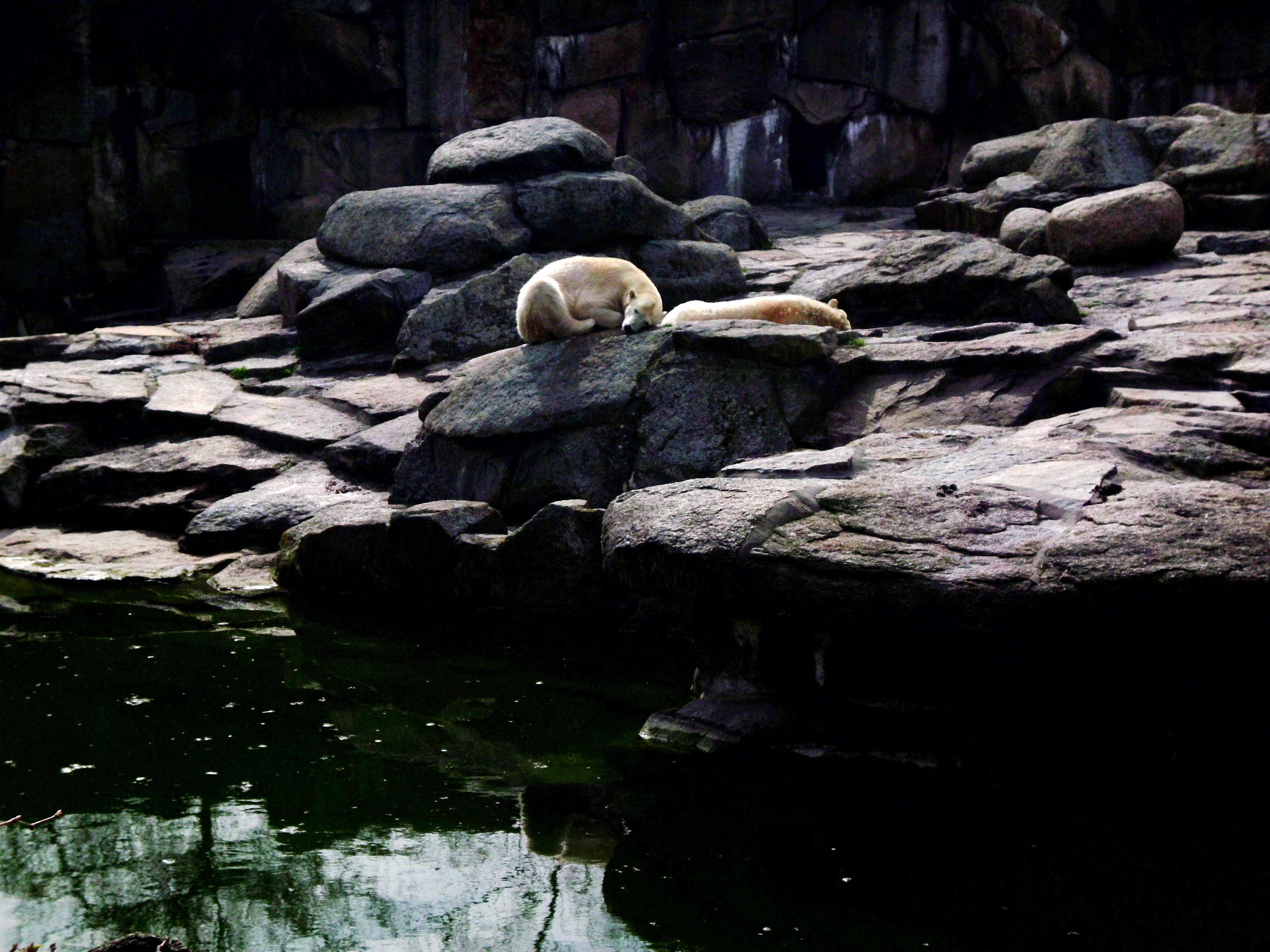
The next day of our trip, we visited the zoo, the aquarium, and of course, the infamous Berlin Wall.  The zoo and aquarium were both nice, but if I had to pick, I’d say the zoo was better, since it had a larger selection of animals and more variety.  Below is, in my opinion, one of the nicest pictures I took while at the zoo.

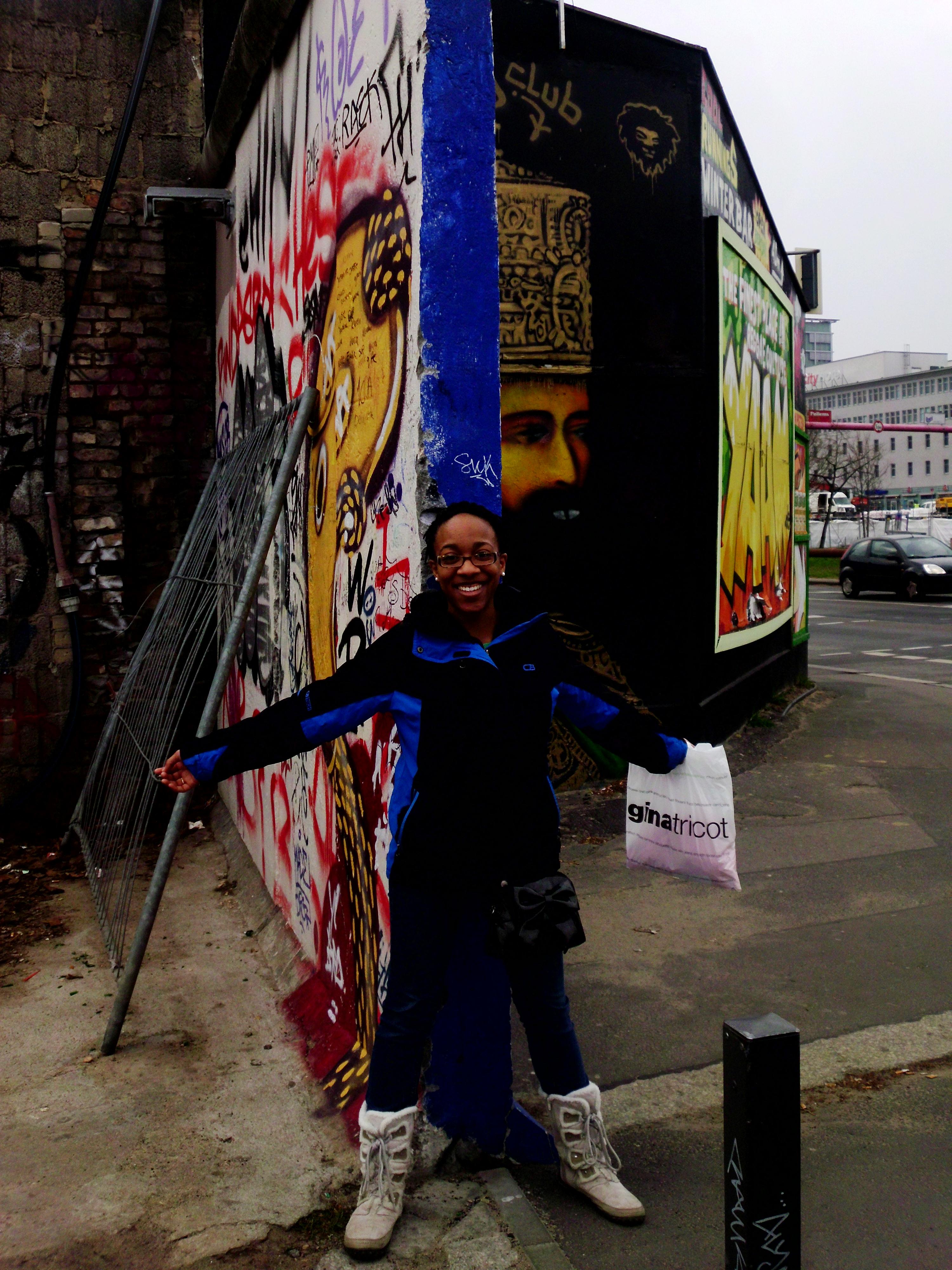
Last, but certainly not least, was our visit to what’s left of the Berlin wall, which for so long divided Germany into East and West.  I knew that if I didn’t do anything else while I was in Berlin, I couldn’t leave without seeing the remainder of the wall.  As I walked along both sides of the wall, I honestly couldn’t imagine that this wall, which is currently beautifully decorated by artwork, was a source of division. It was mind-boggling.  Non-tourists walked, biked, and drove past the wall without really looking at it, but for me, this was a piece of history that people will probably learn about forever and, once again, I just felt privileged to have been able to see this in person.  In the following picture you can see a glimpse of the wall from both the East and the West side.


Botswana – Mokoro!

April 2, 2012

Last week we had spring break, or what the locals would call “mid-time.” It was possibly one of the most amazing experiences that I have had! However, it wasn’t easy to maneuver around Botswana during the trip — especially the Delta!

We started off by stuffing ourselves into a 15-seater bus to the local bus station. There were about 30 of us. Needless to say, it wasn’t the most comfortable experience, but it did bring everyone closer together to sit 3 in one seat!

After packing into the next bus, we realized that it seated 60, but there were only 30 of us. So, we initially thought to ourselves, “Excellent! We can finally relax, lay back, and enjoy this 15 hour bus ride up to the Okavango.” We couldn’t have been more wrong: The bus stopped every 15-20 km to a new stop that always had at least 2-5 people entering the bus. Some of the windows did not open correctly, and others made strange noises; it was very uncomfortable.  The majority of the time, about 1/4 of the people were left without anywhere to sit, and had to stand the entire time. Yes, 15 hours of standing! Thankfully, we had very generous passengers and students offer their seats to others and interchange over time. I offered my seat to an elderly gentleman with a cane. He was more than grateful. Although the bus ride seems like somewhat of a drag, everyone still enjoyed themselves and I understood that this was more of a learning experience than anything else!

Finally, after arriving, we were quickly welcomed by other locals, goats roaming the streets, cows eating grass, and stray dogs looking for food. An interesting experience. We even had a few locals attempt to speak to us in their own version of English. It was very hard to understand them, but their smiles said enough about them and the wonderful country of Botswana. Soon afterwards, three large safari trucks pulled up, let us jump in the tour seats, and took us away to our campsite.

As we arrived, we noticed that the crew we had hired had completely done everything for us — from setting up the tents and our sleeping bags, to even making us a welcoming dinner with dessert! Due to our long 15-hour journey, we were exhausted and decided to stay in for the night at the campsite.

I woke up the next morning at 4am, with no shower, no combs, no mirrors, and only the ability to brush my teeth with a limited supply of water from a water bottle and my own toothpaste and toothbrush. I, and the others, did not realize how real and serious this trip really was. It was a reality check for us; we were in the Okavango Delta. The nature of Africa. Anything could go wrong at any time, and help is a 10-13 hour safari truck ride away. No KFC, Nando’s, or school food, nor showers or bathrooms.

Our guides drove us to a secluded, marshy area of the Delta. We thought to ourselves, “What in the world is this place, and why are we here?” We passed over 15-20 local Botswana who all had long sticks measuring at least 20 feet. Again, the same question of confusion came to our mind.

Our Guide, Mr. Costa:

As we pulled up and parked in the Bush, we noticed that the locals with long sticks were coming towards us. At first, we were fearful of what was going on, but then we realized that they are part of our tour; they were our water guides!

Before departure:

We quickly jumped into our Mokoros with our partners and our personal guides took us into the high water grasses. At first, it was amazing to be in the Okavango waters – where anything can happen in any second. However, we slowly realized that the Mokoro trip was 3 hours long, and none of us brought sunscreen, nor any way to cover up from the sun. We were as red as the sun after the first 30 minutes.

Although the trip was long, it was still amazingly beautiful and interesting. Our Mokoro guide was very knowledgeable and even showed us a few tricks of nature: how to make a flower necklace and leaf hat!

Everywhere we travelled in the Mokoro, we encountered beautiful white flowers growing out of the muddy and brown water. After an hour of gently streaming through, our guide leaned down into the water, took a drink (he advised us not to), and then pulled out the flower by the stem. Most of these flowers’ stems are around 3 feet long. He bit the bottom off, then started to peel one end of the skin from the bottom to the top of the flower and same for the other side, but also breaking the strong core of it each time. Then he tied the ends together and said to put it around our neck. We were trying to keep our body temperatures cool by stacking as many wet flower necklaces around ourselves as we could!


Transported back in time…

April 2, 2012

I just came back from the most incredible trip to Myanmar (formerly Burma, but the United States chooses to use the name Burma as a political statement against the current Burmese government).  I have to admit, before arriving in Bangkok I was not at all aware of anything going on in Burma.  Nothing. Nada. Zilch. It was not until a dinner with friends in Bangkok, who are passionate about Burma, that I learned about the fascinating country and its political situation.  When you think of the world’s worst dictators, many of you may think of Kim Jong Il of North Korea, or Hugo Chavez of Venezuela, but did you know that Burma is one of the world’s worst dictatorships, responsible for some of the world’s worst human rights attrocities?  It is only in the past year that Myanmar has been creating better relationships with the West, and that the West has been easing some of the sanctions and boycotts against the country. But as many people told us, though progress undeniably has been made, in reality, things may not be so picture-perfect.

What really sparked my interest in this country, before my visit, was the story of Aung San Suu Kyi, depicted in the recently released film “The Lady.”  Suu Kyi is the leader of Burma’s opposition party.  Her father led Burma to freedom from Britain in 1947, only to be assassinated shortly after, leaving the country in the hands of a dictator.  Though she grew up in Burma, Aung San Suu Kyi later married an Englishman and had been living in England with her two children when she became the leader of the opposition party in Burma.  Though she claimed victory in a general election in 1990, the ruling party refused to accept the results and placed her under house arrest, where she spent 15 years, living away from her family in England and therefore sacrificing her life with her children and her husband.   Aung San Suu Kyi was released in 2010, and is a candidate in the Burmese parliamentary election to be held on April 1st.

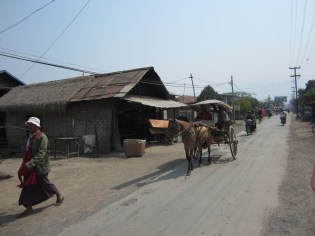
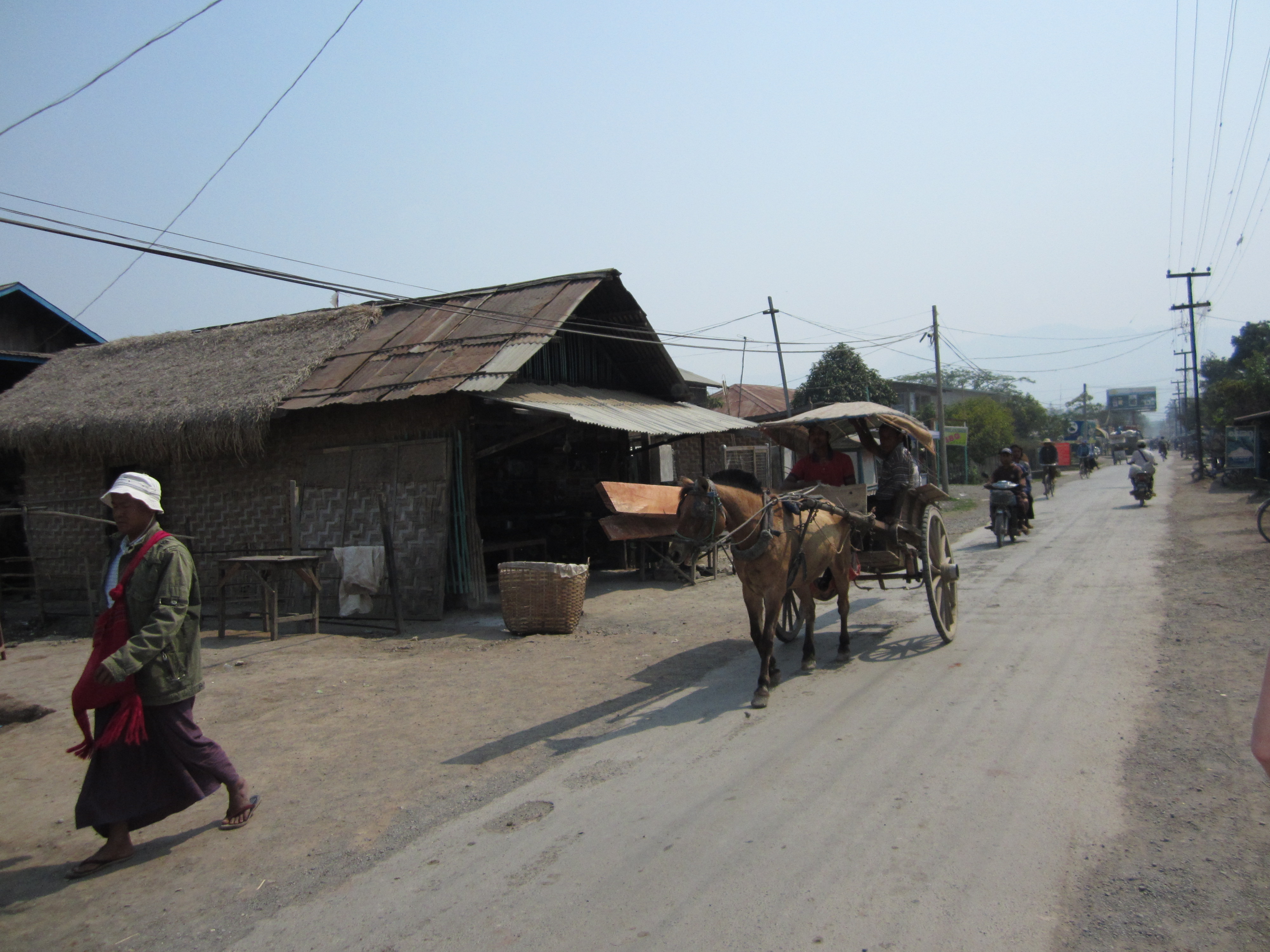
Needless to say, this country is fascinating, and it is in the midst of one of its most critical times in history, so I definitely had to see this for myself.  On top of that, because Burma has literally been shut off from the world for so many years, we were told it was like going back in time to Asia 100 years ago.  Until recently, the Burmese did not have access to news from outside of Burma (purposefully controlled by the government).  A cell phone there costs around $1000, and the down payment for internet in your home is $2,000.  In most places outside of the capital, a “taxi” is a horse-drawn, or ox-drawn carriage.

Because we spent five very packed days around the country, I will give you the highlights of our trip:

1)     Yangon (formerly Rangoon, and formerly the capital of Myanmar).

There is not much to see in the city.  We spent only a few hours our first day, and a few hours our last day, exploring the Yangon.  Other than the Shwedagon Pagoda, an impressive and revered Buddhist religious symbol, there really wasn’t much to do.  The city is quite run down, and much less developed than Bangkok, understandably so.

2)     Kalaw

Kalaw is an incredible mountain town, which we reached through a 12-hour overnight bus from Yangon.  We arrived at 2am, with no hostel booked, and no plan at all – it didn’t take us long to find the “Winner Hotel,” but the temperature had dropped overnight, so it was freezing.  In Kalaw, we did a trek into the mountains with two tour guides who were both 21 years old, named GuGu and Chaw Su.  We spent the whole day wandering through the mountains – the trek was not difficult, which was fantastic, because it not only gave us a chance to talk with the girls and learn about their lives in Burma, but it also gave our guides a chance to stop and point out different plants and crops along the way.  It is truly incredible what is grown in the mountains there! We saw oranges, pears, raspberries, gooseberries, ginger, cabbage, papaya, banana, pineapple, and much more! We stopped in two villages and two monasteries along the way, each time having a chance to (through our guides) talk with the families we met, sit down for tea, ask them questions, and laugh with them.  It was truly fantastic to be able to talk and interact with native people in a non-touristy setting.

In Kalaw, we also had delicious food – a broad-bean, peanut, tomato, and onion salad, noodle soup, and curry.  While curry in Thailand is coconut milk-based, Burmese curry is largely oil based, so it was interesting to try the different foods.

3)     Inle Lake

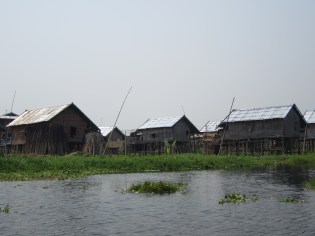
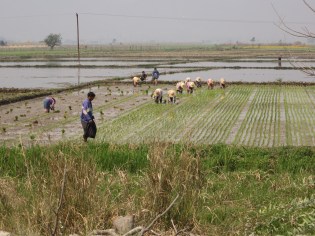
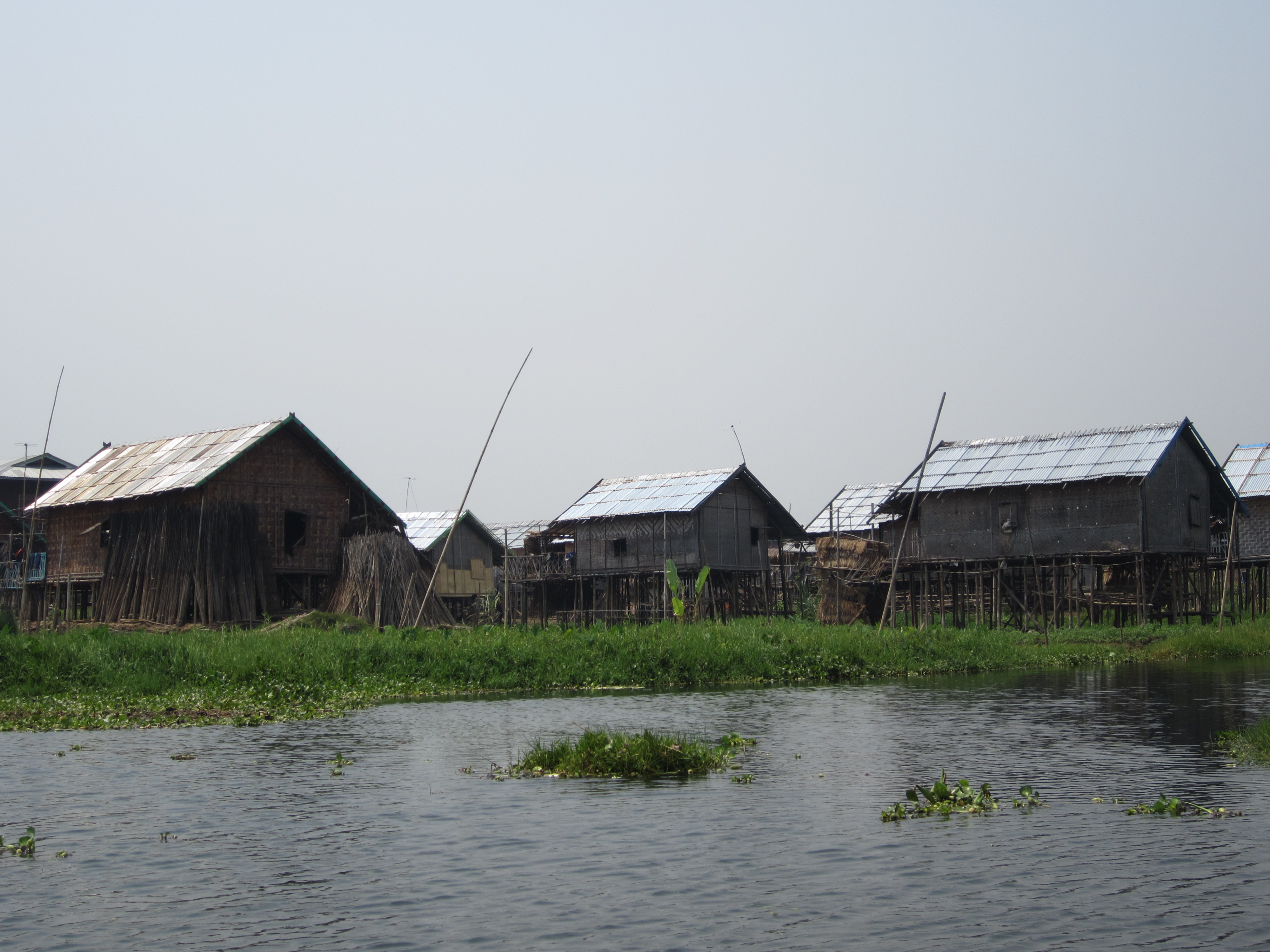
Just a two-hour drive from Kalaw, Inle Lake is one of the most popular destinations for tourists.  Similar to Kalaw, the town itself is very small, and very primitive, boasting half-paved, half-mud streets lined with small hostels, small houses, and shacks.  We spent an entire day (8 hours) on a boat ride around Inle Lake.  It was one of those long “typical” Southeast Asian boats, propelled by a motor.  The lake is enormous, so it was a 2-hour boat ride to our first destination.  Throughout the day we made many stops, including: a shop where silk is produced, a shop where cigars are made, a delicious restaurant, a paper making shop, a silversmith, and a few more destinations. Inle Lake is entirely made up of small villages, comprised of houses and buildings, which are on stilts.  Therefore, to get to each new shop, we had to go by boat, which is how locals get around as well.  The post office, for example, is a small house on stilts in the middle of the water.  Surrounding the villages are also endless fields of rice and other crops.  So throughout our day we observed men and women working to harvest and plant their crops.  We were able to stay out on the lake for the sunset, which was absolutely magnificent.

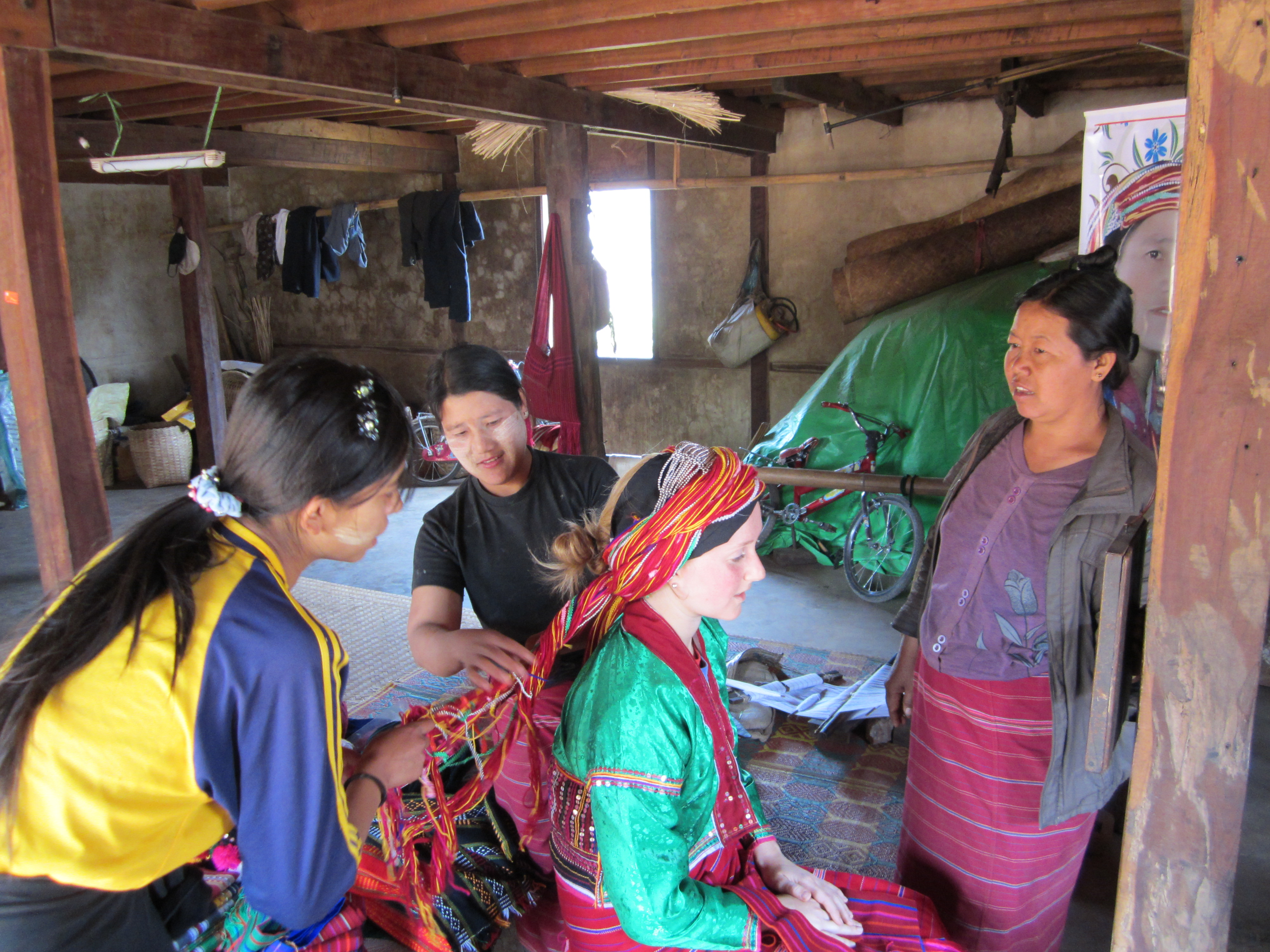
Before our 15-hour bus back to Yangon from Inle Lake, we rented bikes and biked in the area, again surrounded by endless rice fields; I’ll let the pictures do the talking, because it was absolutely breathtaking!  I came back from the weekend completely happy and refreshed; though I was exhausted, it was refreshing to have seen such an untouched nation, and to have been able to experience another country  knowing so much of its history and current political issues.  Even more importantly, we were able to fully interact and speak with locals to hear their perspectives, and those moments are what made the trip so incredible.

Below are some photos from the trip:


Standing on the Edge of the World

March 26, 2012

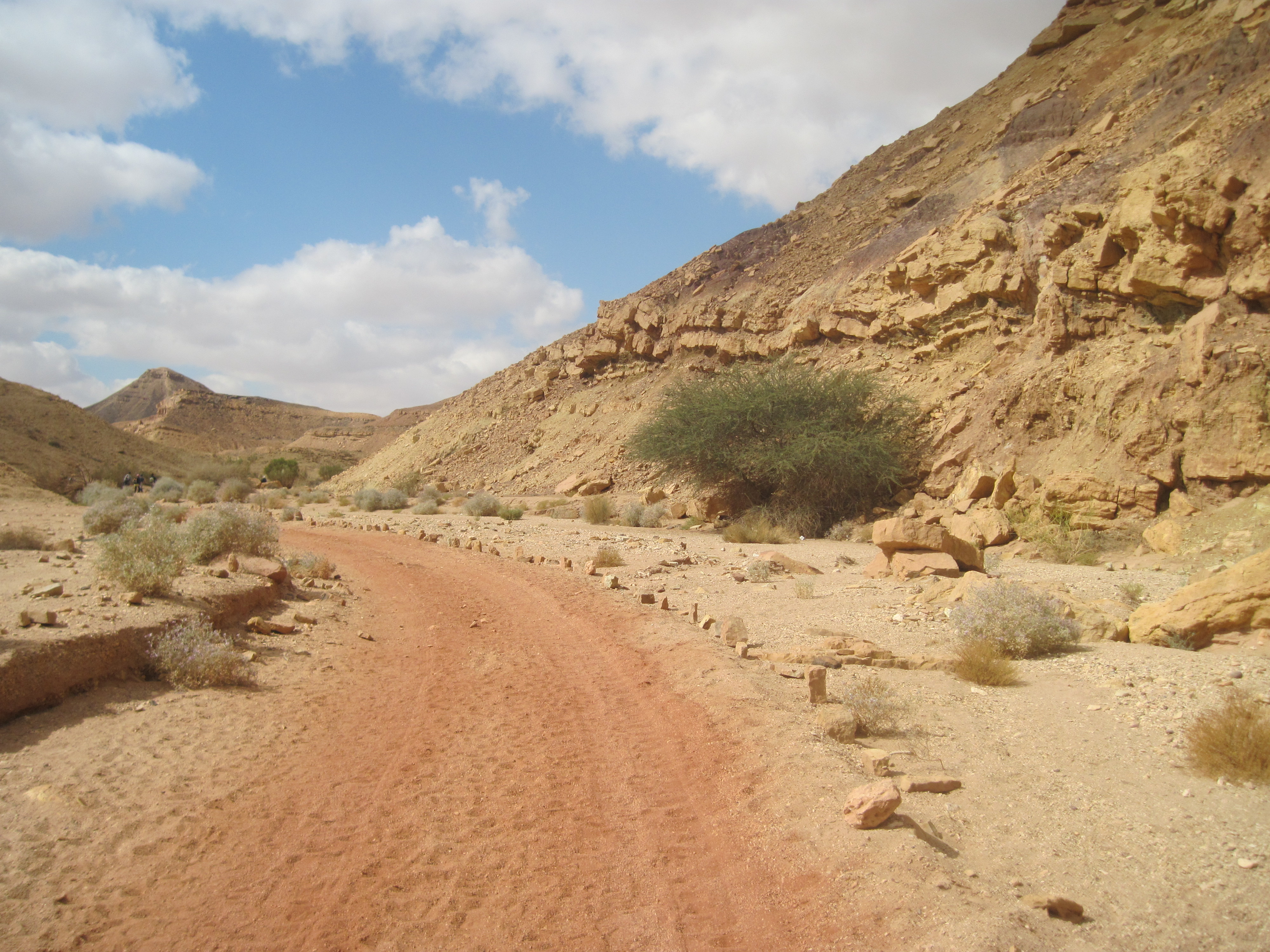
I’ve never before experienced a feeling quite like I did standing on the rim of a crater in the Negev desert this past weekend.  I felt all at once the vastness of the desert, my own comparative insignificance, and how incredibly blessed I was to be able to witness such amazing beauty.

We started our trip by leaving campus at 5:00 A.M. on Friday morning.  Driving south, we could see the diversity in Israel’s landscape as the lush green fields gave way to sand and rocks.  After a drive of about six hours, our bus left us at a trailhead on the side of the road, and we set off on our 8 kilometer (about 5 mile) hike.  We were about 75 students, plus 4 guides, two guards, and a medic.  At first, the hike was relatively flat and easy, although it was surprising cold and windy, and huge dark clouds threatened to rain on us.  Then we arrived at the edge of the Ramon crater.  The view was beyond spectacular.

We then had to pick our way down the steep descent, through the crater, then climb out the other side.  We all celebrated when we made it up the last stretch.  But alas, our rejoicing was premature – the bus had not been able to make it down the road to meet us, and we were going to have to walk another two miles!  At this point it was only our will that kept us going.  But finally we made it to the bus just as it started to rain. We then drove to the center of another crater, to the Bedouin camp where we would be spending the night.  We all pitched in and made a huge dinner of Israeli salad (chopped cucumbers, tomatoes, and onions), stir fry and rice, hamburgers and hot dogs, and of course, lots of pita.

Sleeping in the tent was quite an experience. I remember waking up in the middle of the night, and even though I was cozy in my sleeping bag, I felt how bitterly cold it was outside.  Waking up to the sun casting morning shadows across the crater, we set off on our second day of hiking.  This time we climbed up the edge of the crater and walked along the rim, and a couple of times, we had to climb rock scrambles where one slip could send you rolling down the edge of the crater.  At one point, there were even iron handles drilled into the rock; we knew when we saw those that this cliff meant business.  But we all made it through safe and sound, circling the rim of the crater around until we ended up back at our camp just before sunset.

We then set off for Eilat, where we stayed in a lovely hostel that fed us an amazing hot breakfast the next morning, which we were all incredibly grateful for.  On Sunday, we could either choose to stay at the beach or hike in the Eilat mountains to a peak where you can see Jordan, Egypt, and on a clear day, Saudi Arabia.  I chose the hike, even though I was pretty worn out from the past two days, and I was so glad I did!  Looking out over the Red Sea as it lay nestled in the midst of desert mountains was an exhilarating moment, to say the least.

It is really hard to describe in words how I felt throughout this weekend.  It was definitely the farthest I had ever been pushed physically, and the camaraderie the shared experience built within the international students was really great.  Passing each other on the way to class on Monday morning, we all knew not only how sore we were, but that the endless sweeping desert vistas we had seen together would be printed on our minds for the rest of our lives.


Barbados, Week 6: Island Hopping in St. Lucia

March 16, 2012

When I see tall things in the distance, one thing pops into my head:  I must climb that.  I was perusing my sister’s photos of her own St. Lucia vacation when I stumbled upon the Pitons of St. Lucia.  Like a mismatched set of gigantic fangs, Gros and Petit Piton rise out of the Caribbean Sea on St Lucia’s west coast and are its most recognizable landmarks.  They are so important to St. Lucia, in fact, that they named their own indigenous beer, Piton, after them.

I flew into St. Lucia on a late afternoon REDjet flight on Friday, a flight all of twenty minutes, knowing only where my hotel was located and that it had balcony views of Petit Piton.  Unlike the United States, finding a cab is never an issue; they will find you, and quickly.  I knew the price was set at US$65 from Hewanorra Airport to Soufriere, so I got a kick out of my cab driver when he told me “It’s $75 but, for you, i’ll knock it down $65”.  So nice of him to charge me regular price!  But as the drive progressed and we began talking, and I learned that he goes by the name “Cow”, we bonded as much as a taxi driver and tourist can.  I learned that he owns 4 acres of banana trees as well as driving the taxi van 7 days a week, and that he has three daughters from four different wives.  That is one busy man, I thought to myself.

Cow offered to drive me to Gros Piton the next morning, but I would have to be ready by 6:00 a.m.  Of course one of the two nights I was in a spacious, comfy, air-conditioned hotel room I wouldn’t even be sleeping for more than five and a half hours!  Soufriere, however, is settled in between beautiful, lush mountainside opening up onto a quiet fishing bay, so when I woke up at 5:30 a.m. with light clouds rolling over the jagged mountaintops and the sun illuminating just enough detail, and it was definitely a sight worth seeing.  All I had to eat was a bag of peanuts that morning, with two water bottles packed for my climb, before my guide Shem and I began the ascent of Gros Piton just before 7:00 a.m.  It was a good thing we left so early, though, because even by the quarter mile mark, I had sweat pouring down my face while Shem had not even broken a sweat.  I guess that’s the difference between casually keeping in shape and hiking a 2,619 foot peak everyday.  The trail consisted, at first, of inclined packed dirt with a few areas of steep broken rock that would have to be navigated with use of all four limbs.  As the path hit the half-way mark and continued upwards it morphed into steeper switchbacks with crude earthen stairs and wooden railings nailed between especially steep sections.  If it had been just me, I would’ve taken my sweet time, but Shem was under the impression that a young man of my age was capable of going faster than I wanted, and thus I pretended to be hardly winded when we would stop for breaks.  With aching limbs, I reached the summit look-out point about an hour and ten minutes after we began, and there it hit me that it was completely merited to be so winded, because I was really, really high up.  The view was stunning:  You could see nearly the entire length of the island, with many of its uneven peaks shrouded in early morning clouds.  Soufriere was just a cluster of houses behind Petit Piton across the bay, and you could see numerous sailboats jetting around the west coast.

The way down was a bit easier, and in the fifty minutes it took us to descend from Gros Piton’s glorious heights, I learned a little bit about my guide, Shem.  Although I didn’t ask his age, he must’ve been somewhere between 17-19 years old, and had graduated from school in Soufriere.  Shem lived near the base of the Piton and had four brothers and two sisters, but he was a middle child.  He had been working as a guide on Gros Piton for two years, hiking the mountain at least once, if not twice, daily.  He told me the fastest he had ever climbed Gros Piton was in 55 minutes, but the slowest was with a group of older tourists who took 4 hours to make the climb!

Traveling to unfamiliar destinations is exhilarating, but, at times, it can be just as frustrating.  Upon coming back to town, I needed to take out money for my celebratory post-hike meal, but of course Saturday was the day where the Bank of St. Lucia in town was inconveniently switching its location to a waterfront building.  The ATM would not be operable until Monday.  Cow had to pick up a couple in the northern capital city of Castries at 12:00, so I had to take an hour drive north with him, take out money in Castries, and take a public bus an hour back to Soufriere.  Exhausted, dirty, and desperate, I stumbled into Archie’s bar and restaurant around 1:30 p.m.  and had the best chicken rotis and salad of my life.  Despite my limited time in St. Lucia, the only activities I could muster the energy for the rest of the day was to nap on the beach, nap in my hotel room, eat dinner at Archie’s, and wander the town streets and talk with some locals until around 10:00 p.m.

Sunday I played the typical tourist role, with Cow taking me and a couple from Arkansas around to the drive-in sulfur volcano just outside of Soufriere along with a trip to Toraille Falls.  It made for some good picture taking, to be sure, but it did not have nearly as an authentic, organic feel to it as did yesterday’s hike up Gros Piton.  Cow agreed to drive me over to the east coast for some sightseeing before my afternoon flight back to Barbados, and I even got a dip in at a beach down the road from the airport before my 5:00 pm flight.  I wouldn’t recommend cutting one’s time that close, however, as I enjoyed myself at the beach so much I almost missed the cut-off for check in.  All in all, a great weekend away that I would recommend for anybody — well, anybody who enjoys challenging physical exertion, that is — and a nice break before my head is buried in the books for midterms at UWI!


Six cities in two days

March 12, 2012

This weekend I had the privilege to visit six cities in The Netherlands in a span of two days.  It was definitely two of the busiest days of my life, but it was worth it.  We left at 8am on Saturday and headed off to Utrecht.  In Utrecht, we took a quick tour of the city, which is the religious centre of The Netherlands, and also contains the largest university in the country (Utrecht University).  After that, we climbed all 465 steps of the Dom Tower.  The Dom Tower is the tallest church tower in The Netherlands (a little over 368 feet).

The next stop was The Hague.  The Hague has famous buildings such as the International Court of Justice and the International Criminal Court.  The House of Parliament and the Queen’s working Palace is also in the Hague, but unfortunately she wasn’t there during our visit.  There are also several embassies here (I saw the United States’ embassy) and the Peace Palace.

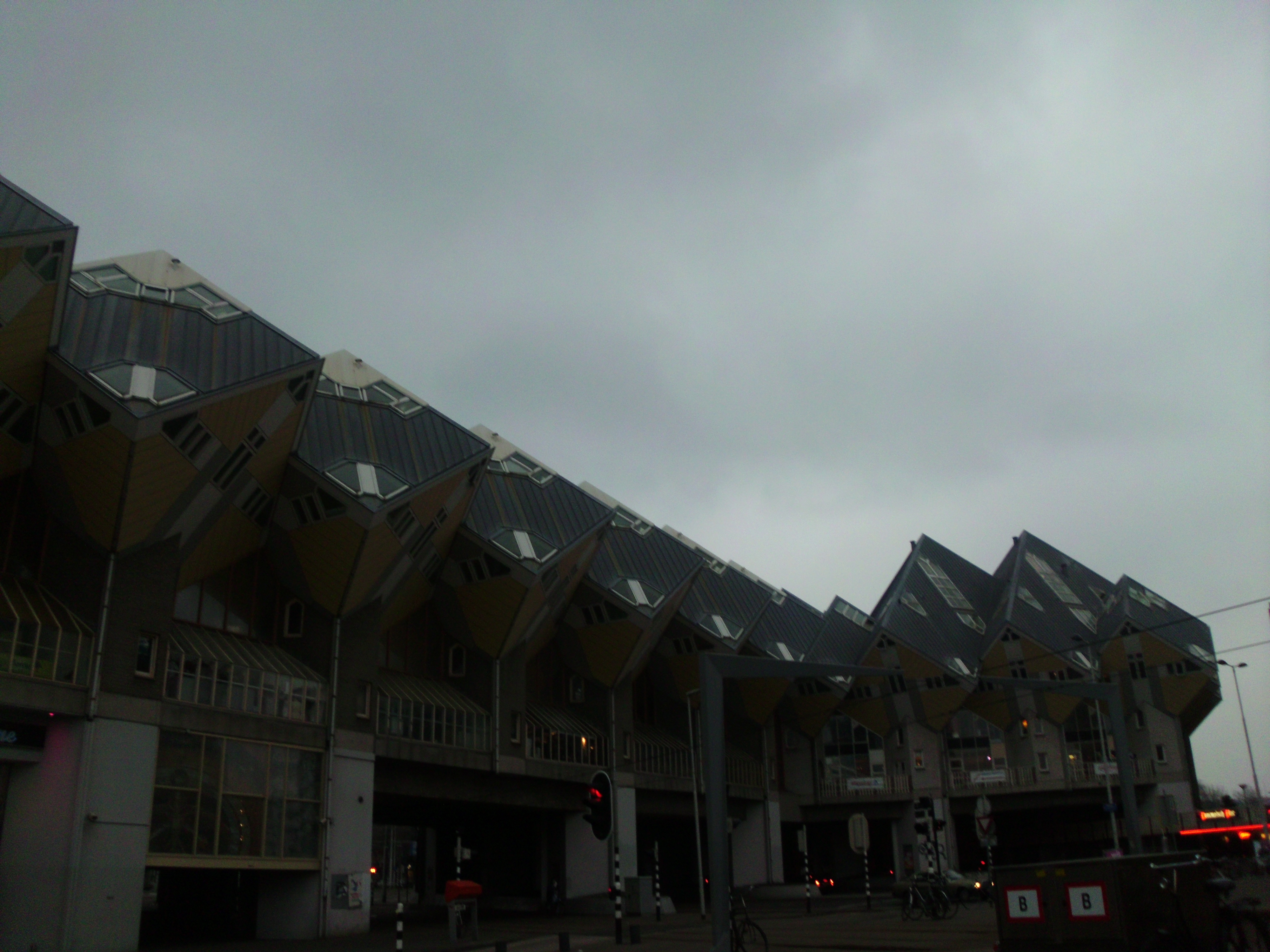
Next up was Rotterdam.  We stayed at a really cool hostel — my first hostel experience!  As we drove under the hostel, they pointed it out to us and we realized that it was made up of cubes!  Even after staying there for a night, I still can’t understand how a building made of cubes is possible.

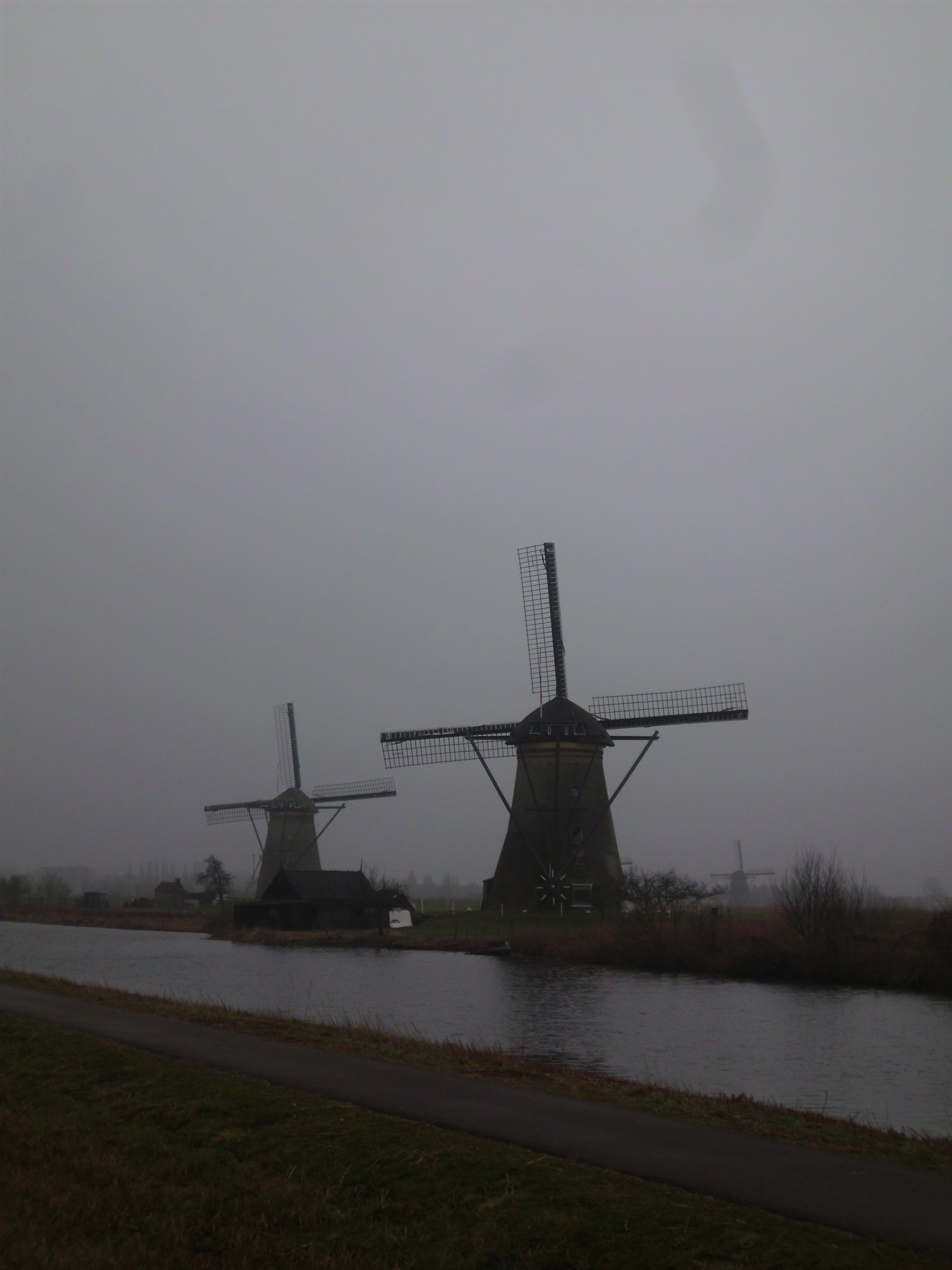
The next morning, we all woke up and made our way to Kinderdijk, which is famous for its windmills!

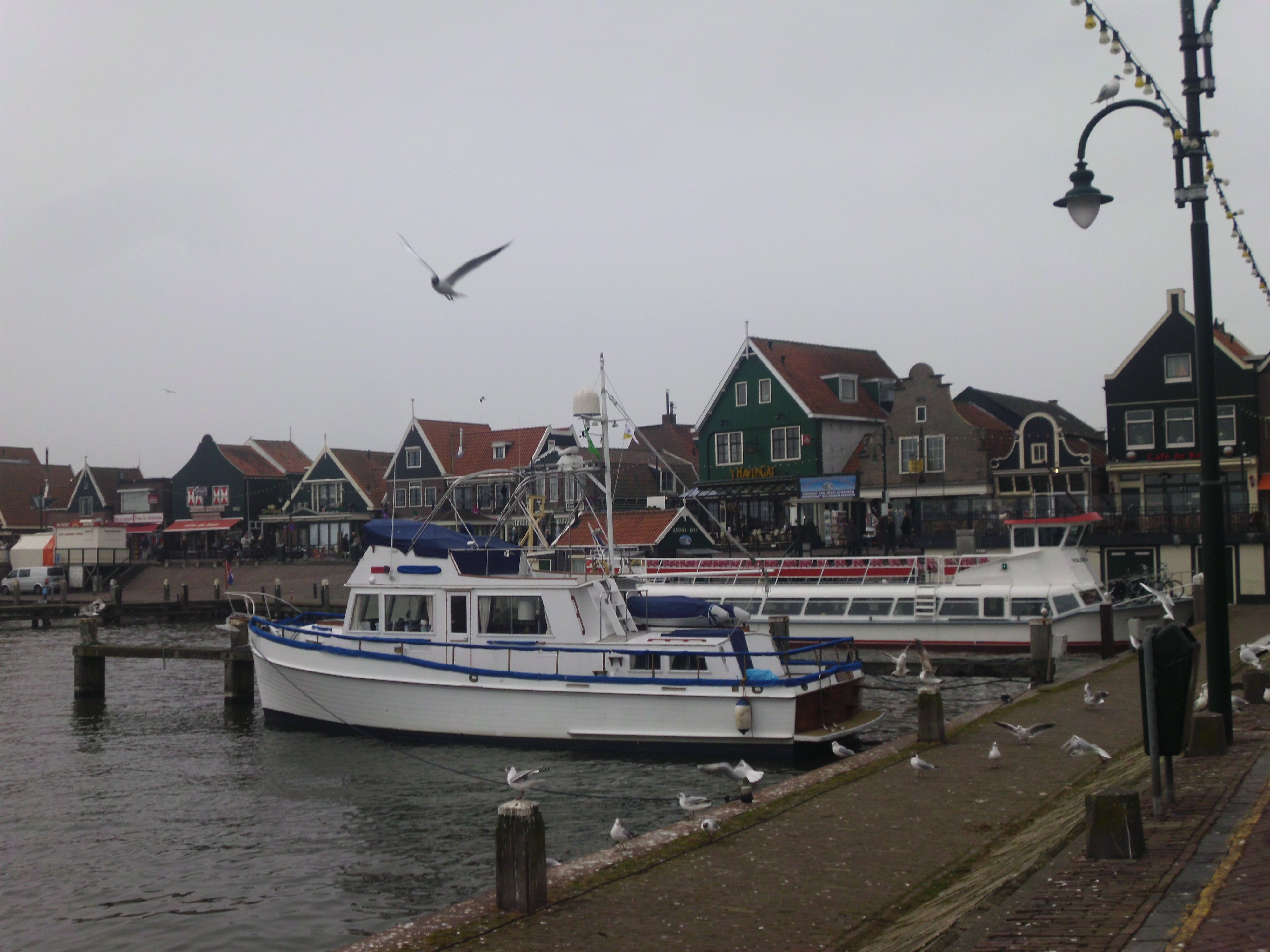
Next stop: Volendam.  Voldendam was a very tourist-oriented place.  While we were here, we took a picture in stereotypical Dutch clothing (clogs included).  The traditional cheese markets are also located in Volendam, but unfortunately, they take place on Wednesdays, so we weren’t able to see them in action.

Saving the best for last,  you probably guessed by now that the last stop was Amsterdam!  After a tour of the city, we had pannenkoeken (a Dutch pancake comparable to a crepe)–  I had a pineapple pannenkoeken with sugar and syrup on top; it was absolutely delicious!

After a long, fun-filled weekend, it’s back to Maastricht and time to hit the books!  Can’t wait to update y’all about the next part of my adventures living and learning in The Netherlands!


Jerusalem: Steeped in Faith

March 12, 2012

On the 26th of February, I went on the  International School’s tour of Jerusalem.  It was the longest touring day of my entire life.  Leaving campus at 6:30 A.M, we had a beautiful two hour drive through farmland, small cities, and the Judean Hills to Jerusalem.  Approaching Jerusalem, it was hard to believe I was actually going to see the city that has existed for centuries in the imaginations of Jews, Christians, and Muslims as a city of great holiness and significance to their faith.  Jerusalem is the object of songs, poetry, paintings, and religious longing for so many throughout the world, and I now had an opportunity to experience it for myself.

Somehow, though, the reality is quite different from the idealized images and feelings many have come to associate with Jerusalem.  The tension is almost tangible, and as we visited King David’s tomb, the site of Jesus’ Last Supper (a former church that has now been turned into a mosque), the Western Wall, and the Church of the Holy Sepulchre, I realized the extent to which the people and faiths of Jerusalem live intertwined with each other, yet are distanced by the conflict and perpetual state of unsettled feelings between the varied groups within the city.  Jerusalem is a mixture of so many different people, with such widely varied backgrounds.  Israeli soldiers carrying guns walk through the streets across from Catholic nuns in their habits, and groups of American tourists with their huge cameras and enthusiastic tour guides make their way through the vibrant, lively Arab market.  I was struck by how you can often tell what group someone is affiliated with by their clothes or head coverings – Orthodox Jewish married women wear a different head covering than the hijab of Muslim women, and Hassidic Jews in their tall black hats stand out from the other Jewish men wearing kippahs, or smaller head coverings.  The clothes they wear identify the differences they have with each other, making the religious and cultural divisions within the city physically apparent.

In both my Biblical Theology and Literature of the Shoah (Hebrew word referring to the Holocaust) classes, we have discussed the idea of memory, and how it influences and shapes people and nations.  Reflecting back on my time in Jerusalem, I realize that national memory is one of the factors that make Jerusalem so important.  Jews pray at the Western Wall because it is a tangible piece of their national memory. The Wall is all that remains after the destruction of the Second Temple, but it stands as a symbol of what they have survived as a people.  Jerusalem is full of symbols, from the Dome of the Rock standing on the site of Mohammed’s Night Journey as recounted in Muslim tradition, to the Mount of Olives, turned white by the graves of Jews awaiting the Messiah’s arrival.  Made up of physical locations that past events or promises for the future have made crucially important to so many, it is no wonder Jerusalem is one of the most fought over places on earth, historically and today.

Sometime before this semester ends, I want to visit Jerusalem again, but this time to take it slower, letting the experience sink in more deeply.  I need a fuller picture in order to begin to understand the city.  There was a lot I didn’t see, and a lot I need to see again before I can begin to process the full significance of what Jerusalem stands for.


Have you bought a costume yet?!?

February 27, 2012

For approximately two weeks leading up to Sunday, February 19th, this is the question I was repeatedly asked.  Sunday the 19th through Tuesday the 21st marked the official dates of the Carnival (or Carnaval — I’m still not sure which is the correct spelling, since I’ve seen them both used interchangeably) before Ash Wednesday.

Here’s what I knew about Carnival before it started:

1. Basically everyone dresses up in some kind of costume, whether it’s just a mask or a full-blown outfit.

2. Carnival is celebrated most in the southern part of The Netherlands, which is where I’m located.

3. Because of this, classes would be cancelled for one week in order to celebrate.

Going into Carnival with this knowledge did not fully prepare me for what I like to call the “Carnival Experience”.  When I first arrived to the Vrijthof, which is the heart of Maastricht– and also where the main festivities were going to be taking place– I was confused.  Although there were people there, and they were in costume, the Vrijthof seemed fairly empty compared to what I was expecting.  It seemed like people were constantly saying that this was such a big deal, yet it wasn’t much more crowded than it would be on a normal weekend.

While we were waiting for the parade to come, there were sporadic hailstorms, and then, in the blink of an eye, the Vrijthof was extremely crowded!  Allow me to put it in perspective for you.  A street that would normally take about one or two minutes to walk down took 10-15 minutes.  This part of the experience is what I’d like to call organized chaos.  Everyone was having a good time and trying to get to their next destination within the Vrijthof, but it could have been perceived as chaotic from someone who was completely unprepared.  My friends and I, however, did what the locals were doing; made a little train by putting our hands on each others’ shoulders and moved through the crowd.

Below is a picture where you can see some people in costume unsheltered during the first hailstorm.

The parade arrived just as the last hailstorm took its leave.  There were bands and of course everyone was wearing a unique costume!  The parade was interactive; the people on the floats saying “hip hip!” and the crowd responding “hooray!” (all in Dutch of course).  My friends and I had a really nice time.

After the parade was over, it was time for food!  One of my friends and I decided to be brave and try Herring, which historically was the traditional food eaten on Ash Wednesday.  Even though it wasn’t Ash Wednesday, we ate it anyway.

This fish was probably the largest piece of fish served to one person that I’d ever seen in my entire life, and it was absolutely amazing! The picture doesn’t do it justice, but it really was a large piece of fish.  After we were fed, it was time to explore and see the costumes.  The Carnival colors for Maastricht (located in the southern province of Limburg) are green, yellow, and red, so that tended to be a common color scheme, especially amongst the older generations.  I was one of the exceptions.  I realized that I may not have the opportunity to experience Carnival again, so I decided to “dress-up” with some of Limburg’s colors.

I bought a cheap purple costume dress, because purple is my favorite color, and accessorized with Limburg’s Carnival colors!  I was surprised to get so many compliments; I felt Dutch 🙂  As the day went on, more and more people kept showing up, including people of all ages (including little children whose parents had dressed them and/or their strollers up in order to celebrate).  As I mentioned earlier, Carnival is a three-day event, and people did not stop wearing costumes and celebrating at any point during those three days.  It was quite impressive that it was still going strong on day three!  I suppose when you plan and wait for months for Carnival, you’re going to enjoy every minute of it.


The Temples of Angkor Wat: Cambodia

February 24, 2012

This weekend, I took my first international trip to one of Thailand’s neighbors, Cambodia.  Specifically, we went to Siem Reap, which is the center for all of the tourism surrounding Cambodia’s famous Angkor Wat.  The journey to get there is not exactly quick; it began with a four-hour minivan ride to the Cambodian border, then about one hour spent actually crossing the border, an hour spent waiting at the bus station, a two-hour minivan ride to Siem Reap, and then a 20-minute tuk tuk ride to our hostel.  All in all, about a ten-hour journey door to door.  We arrived in Siem Reap Saturday afternoon and left early Monday afternoon – it may seem crazy to some of you to travel to Cambodia for such a short time, but a) with the very strict attendance policy at Thammasat it is the only way I can travel, and b) we really felt we did not need any more time in Siem Reap.  So here are the notable highlights:

1) Cambodia is not Thailand.  It may seem obvious, yes, but I have always had a magical view of Southeast Asian countries – friendly, smiling people always willing to help you, greenery everywhere, rice fields lining both sides of the road.  I assumed that the hospitality and kindness that are normal in Thailand would also be present in Cambodia.  But from the second that we stamped out of Thailand and started the visa/entry process into Cambodia we immediately noticed a change in atmosphere.  The guards at the border were not friendly whatsoever, and immediately after officially entering Cambodia we were overwhelmed by men trying to get us to go into their taxi, or in their minivan to Siem Reap.  We have very much become accustomed to Thai courtesy and friendliness; in Thailand I never have to worry about being scammed.  But Cambodia is known for its scams, particularly at the border, so we had to be extremely cautious.  There is even a “fake” border that has been set up.  Literally, a building was built complete with guards, and signs, and visas.  They bribe tuktuk and minivan drivers to bring tourists to the fake border, who then pay a lot of money for what may or may not be a valid visa.

2) Siem Reap is essentially the main city where tourists go in order to see Angkor Wat and the surrounding temples.  The city provides a stark contrast between wealth and poverty – while there are five-star hotels lining both sides of the streets, between those manicured lawns and marble entryways are dirt roads filled with children, running around begging tourists for money.  It was a surprising and uncomfortable reality.  Despite the hotels everywhere, we opted for a much more modest accommodation in a fantastic hostel near the old town, for only $3 USD per night.  Saturday evening we had traditional Khmer red curry for dinner, which was easily the most delicious curry I have had since landing in Southeast Asia.

3) The temples.  The temples of Angkor Wat are located about a 20-30min tuktuk ride from Siem Reap.  The area surrounding the temples has been well preserved, so instead of endless hotels and restaurants, Ankor Wat is surrounded by beautiful forest.  We hired a tuktuk for the whole day (only $15) and left Siem Reap at 5am to see the sunrise over Angkor Wat.  We were joined by many tourists, but the early start was completely worth it – Angkor Wat is incredible and utterly breathtaking.  It is an expansive structure (only pictures can do it justice) that is considered to be the largest religious structure on earth; some place Angkor Wat in the same category as Machu Picchu and other wonders of the world.  It is this fact that I could not get over.  Construction of the temple was started in the year 1112 by the king of the Khmer empire at the time.  It is thought that he created the Hindu temple, which ended up being changed to a Buddhist temple, in dedication to the Hindu god Vishnu.  It took 37 years to complete. The thing is, in my lifetime, I have visited many castles that immediately strike any visitor by their opulence and grandeur.  For example, the Château de Versailles, in France, created by King Louis XIV, is just ridiculously extravagant.  But Angkor Wat was not created for the purpose of living, it was purely in dedication to a Hindu god.  It is purely religious — that’s just hard to fathom, because it is so big!  Though commoners used it for prayer throughout the year, our tour guide explained that the king usually only visited it once per year.

4) Angkor Wat is not the only temple to see. We also visited Ta Prohm, which is the only temple in the area that has not been protected against the jungle.  It is therefore covered with trees and roots that have wound their way around the ruins.  Fun Fact: Ta Prohm was featured in the film “Tomb Raider.”  We then visited Ta Keo, and Bayon, and ended our day by going back to Angkor Wat and having a guided tour of the temple.  I am definitely glad we spent the $3 for a tour guide, because it is not easy to understand the meaning of the temple without some history and explanation. We spent nine hours, from 5:30 am to 2:30pm on our feet visiting temples.  And it was completely worth it.

All in all, Cambodia was incredible – once I realized that Cambodia has only been out of Civil War since 1998, it became very clear as to why there is such a stark contrast between wealth and poverty in Siem Reap.  Cambodia is very much still recovering from the Khmer Rouge regime, and as of now the country relies heavily on tourism, which is why so much money has been poured into hotels and restaurants in Siem Reap, but nowhere else.  I would have loved one more day to travel the six hours to Phnom Penh, the capital of Cambodia, to learn more about the history of the country as well as to see some of the museums there chronicling Cambodia’s recent history.  But otherwise, by the end of our stay we felt we had seen all there was to see in Siem Reap. I have to say, after a nine-hour trip  back to Bangkok which included one very offensive, drunk Irish man, who didn’t stop talking for our four hour-minivan ride, offended every race and religion represented in the van, swore every other word, smoked in the van, threatened to kill most of us, and almost assaulted one of the guys in our minivan – it certainly felt good to be back “home” in Bangkok!


The Power of The Uniform

February 17, 2012

Here in Bangkok, the uniform that I wear gives me more privileges and attention than I could ever have imagined. Some previous exchange students had warned me about this before coming, but I didn’t fully understand it until I started spending 95% of my time in a uniform. So, here goes uniform 101:

1. Anyone with any excuse to wear a uniform does so. I don’t know why, or where the tradition came from, but it is just the way it is. During my first few weeks in Thailand, I kept seeing pictures and posters of individuals in what looked like military uniforms everywhere. Their uniforms were white and decorated with all sorts of medals and badges. Well, it turns out that they are government workers, and that all government workers wear a uniform. Even bank workers wear a uniform. Each bank has its signature “color,” and their employees (many of them women) all wear what looks like an flight attendant’s uniform.

2. “No Uniform, No Service.” All Thammasat University BBA (business administration) students are required to wear a uniform to all classes. At the BBA counter, there is a sign in English, and then translated into Thai that clearly states “No Uniform, No Service.” And they mean it. I have a friend who went to the counter to ask the BBA staff a question, and they refused her because she was not wearing a uniform.

3. No Uniform, No Attendance. Thammasat has a strict attendance policy – miss three classes and you cannot take the midterm or final exams. If you don’t show up within the first 15 minutes of class, you are counted late, and then another 15 minutes and you are counted absent, no exceptions. The kicker is that if you show up perfectly on time, but are not wearing the proper uniform, you will be counted as absent. No. Exceptions.

4. Thammasat is the Harvard of Thailand. And therefore, wearing the Thammasat uniform speaks volumes. The most crucial components of my uniform include a black skirt, a white short-sleeved collared shirt, official Thammasat pin, and a belt with an official Thammasat buckle. It is these buckles and pins that differentiate a Thammasat student from a student in any other school, as most student also wear a black skirt and white shirt. Here is a photo from the Thammasat website that shows some students in uniform:

The other night, I went straight from school to meet up with some friends on Khao San Road, Bangkok’s official tourist/backpacker/hippie heaven. As I was walking through the streets, everyone was staring at me. The foreigners were staring, seemingly wondering “Who is this white person in a school uniform?!” and the Thais were probably thinking the same thing. I went into a McDonalds to buy a water, and the girls behind the counters were whispering, and all I understood was “Thammasat, Thammasat.” So in Thai I said “Yes, I am a Thammasat student.” They couldn’t believe it.

Most days, if I am walking in my uniform, I hear the people behind me whispering “Thammasat” or the people crossing my path in the other direction staring at my belt with intense eyes, trying to see which school I study at. When and if they are able to figure it out, I hear a chorus of “Ahhhh, Thammasat!” My favorite uniform moment came this evening when I was in a 7-eleven with my roommate, and the employees behind the counter were obnoxiously greeting incoming tourists in Thai, which I’m sure is their way of messing with tourists to make a boring work shift fun. It was hilarious, so we couldn’t help but laugh. Soon, the employees were also laughing, and they quickly noticed my uniform and figured out that I was a Thammasat student. As soon as I confirmed this, they started saying “Ohhhh, Thammasat, Thammasat!!” and each of them reached to shake my hand, meanwhile repeating “Ahh, Thammasat, Thammasat.” I have to say, one of my favorite Thailand moments.