Tony in Switzerland: Approaching the end

July 25, 2016

My time in Switzerland is coming down to its final hours. It’s been a long semester full of traveling and learning to be independent as a francophone. I recently finished my testing on June 30th, and with the end of exams, I decided to explore more of Switzerland. I’ll show a few pictures of my most recent trips throughout the country.

“The Gate”

The Gate

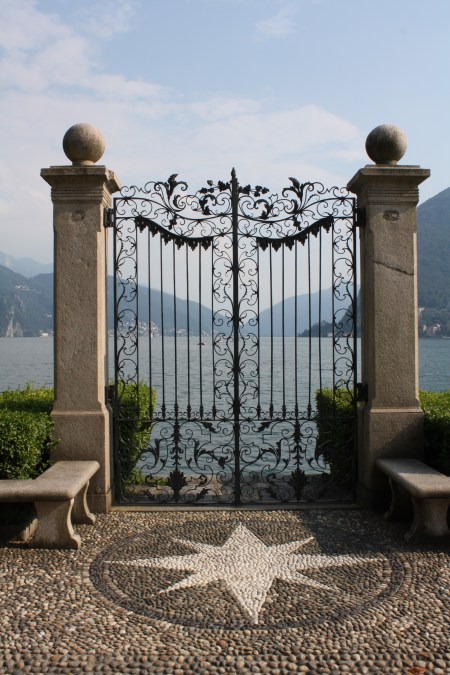
First, I went to Lugano in the Italian-speaking part of Switzerland. This is a picture of a gate overlooking the city’s lake and flanked by the city’s park.

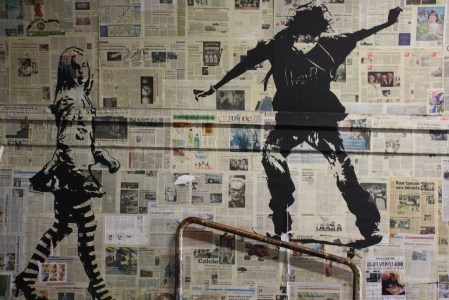
“Station’s Street Art”

Station's Street Art

The Lugano station also had some cool street art. The artist used a stencil over newspaper, which coated the entire walls of the station’s hallway.

“Dying Lion”

Dying Lion

Lucerne was next on my Swiss train travels. One of the city’s most visited sites is a monument of a dying lion, which commemorates the soldiers of the Swiss Guards who died in battle during the French Revolution.

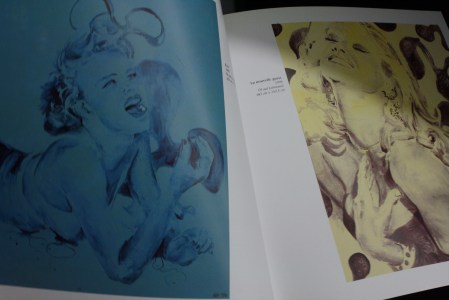
“Eva”

Eva

The Lucerne Museum of Fine Arts was at once a refuge from the rain and a predetermined destination for my trip. They had little stations where you could draw, paint, and emulate the artists. I enjoyed this section of a book within their libraries on Anton Henning and his works entitled “Eva”.

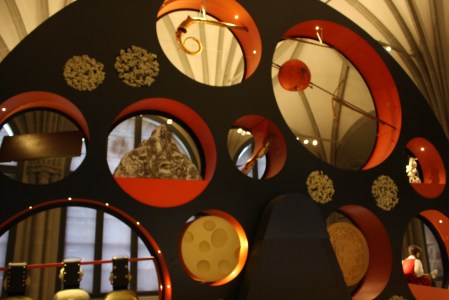
“Swiss Rotation”

Swiss Rotation

The last leg of the trip: Zurich. I still had not visited the famous city, so I took the time to learn more about the Swiss German history. Inside the National Museum of Zurich, there were several different symbols of Swiss history.

“Skyline”

Skyline

It was a great day to travel in the city: good weather and a lively air. The municipality organized a huge festival throughout the city, which allowed for scenes like this to pop up in front of the traditional architecture.

That’s all for this time. I’ll be posting a summary of this semester soon, highlighting different trips and experiences. It’s almost time to head home, but until then, wish me luck as I clean my apartment and get ready to check out.


Jack in NZ: Higher Level Bio

July 22, 2016

“Is caffeine okay to include in my day? According to the 2015-2020 Dietary Guidelines, moderate coffee consumption — up to three to five 8-oz cups/day or providing up to 400 mg/day of caffeine — can be incorporated into healthy eating styles since it is not associated with an increased risk of major chronic diseases (e.g., cancer) or premature death, especially from cardiovascular disease. However, the Dietary Guidelines notes that people who currently do not consume caffeinated coffee or other caffeinated beverages are not encouraged to start.” — ChooseMyPlate.gov

“I simply imagine that my skeleton is me, and my body is my house, and that way I’m always home” — Jared, Silicon Valley

I’ve been in New Zealand for two weeks, and I can safely say that ‘abroad’ is, at the very least, exciting. I’ve found myself entirely enrapt in my surroundings with much greater frequency here. Whether walking through the nearby botanical garden, or the farmers market, I’ve found myself in states of serene awe and total engagement. Nagging thoughts subside. I forget that I have homework, or a bank balance, or a blog to write. I just am. I just do. These short-lasting, addictive states are like caffeine for the spirit. They make me feel like I’m taking full advantage of my time here, and that I’m connected to the area in a way that’s difficult to evoke with words.

But I suppose I’m getting paid to try. So without further ado, here’s how to get high on life:

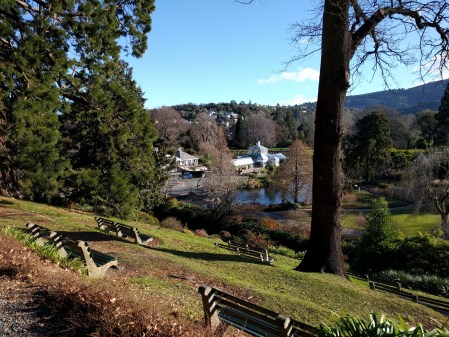
There’s a botanical garden a few blocks from my flat. It’s expansive. Dozens of trails snake through its forested hills. Plants from New Zealand and around the world inhabit every nook, denying entry to land beyond the paths. Even now, in midwinter, lush foliage abounds.

Stay here and rest in the shade of towering trees. Look out over the lazy north end of Dunedin. Say “Wow” out loud.
Did You Say It

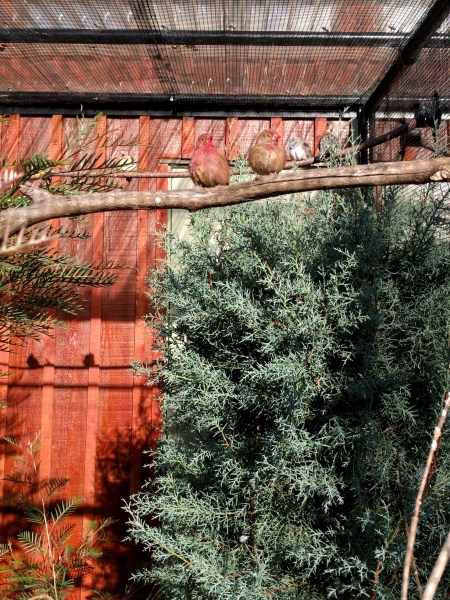
There’s an aviary here at the end of a gravel trail. It’s quaint. An introduced Australian parrot, (the eastern rosella) flies freely around Dunedin’s hills, but the garden’s cooped-up locals don’t seem to mind. Colorful parakeets are content to chatter and flap away the early mornings in their sloping cages. If the visitors are quiet, these birds get to nap in the afternoon. “Hey eastern rosellas, do you get to nap?” they chirp.

Discover this place unexpectedly. Mouth “Wow”, the birds might be sleeping.
Tweet

There’s a road near a back entrance to the garden. It’s steep. Pleasant houses and small farms dot its winding ascent to the top of Signal Hill. Views are no longer of the city, but of sprawling natural country. Placid sheep in pale green fields stare with square eyes at the emerald grass on the other side.

Walk this road slowly. Wander down a side street, and another for good measure.

Sounds of Photosynthesis Pt.1

There’s a native plant nursery along the road. It’s green. A knowledgeable gardener will recommend a few ferns that will take to a desk in a damp flat. He’ll throw in some advice about the best local hiking tracks, and some friendly chitchat, no charge.

Wish this man well.

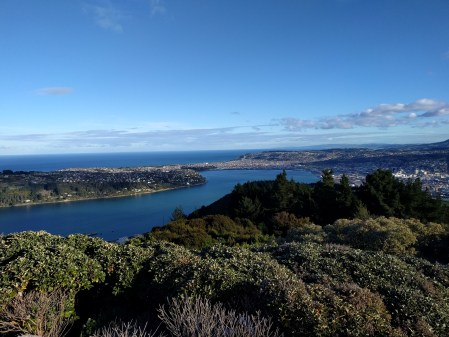
At the end of the road there is a view. It’s pleasant. Seagulls scuttle around the harbor below. Cars weave through university buildings and skirt the wild peninsula. They drive the wrong way. Trees from the forest below have grown up and obscured a small corner of the picture. “Let us see!” they shout.

Stay here for a few minutes and take it all in. Help the other visitors take their Christmas card pictures.
Say Cheese

There’s a mountain biking track here that ambles down the hill through the forest. It’s muddy. Native many-fingered ferns and invasive plants with buttery bean-like flowers wave to friendly cyclists as they slide up and down the path. Wild birds roost among the trees, and flit around the understory. One makes a reverberant staccato call in perfect descending intervals. “No time for naps when there are possums about!” they sing.

Stop here and smell the yellow beans. Gotcha! They don’t smell like much.
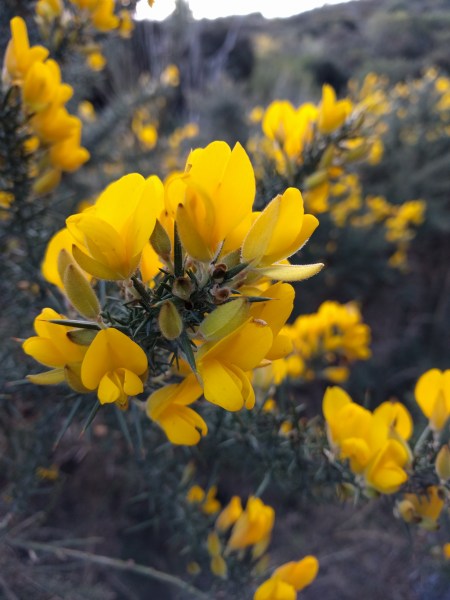
Sounds of Photosynthesis Pt.3

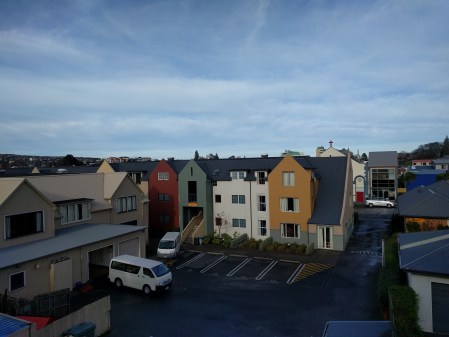
There’s a city at the end of the path. It’s laid-back. The roads are filled with cars driving the wrong way. Damp flats filled with friendly students line the sidewalks. One of my American friends said the locals were so nice that being in New Zealand is like being in chik-fil-a all the time. They’ll invite you in, and offer you beer (no charge), and they’ll point you in the right direction home if you drink too many.

Be merry. Stumble home grinning.

Almost Home

The wild peninsula is on the outskirts of town. It’s sandy. Hikers plod up and down its scrubby dune’s trails. It’s easy going on the way down, not so much on the way back up. A paraglider perches in the air, riding updrafts with the seagulls. Indolent sea lions dot the path to the beach, and idle seals loll on the shores like fat tourists, lapping themselves with sand. Avian hordes congregate on rugged rocks across the bay, cold waves crashing on their birdland coasts. At dusk, yellow-eyed penguins waddle clumsily up the beach and play in the breakers. Surfs up!

Sit in stunned silence. Say nothing.

No Caption

All highs have their lows, and comedowns are no fun. These experiences are so satisfying that I worry I’m not having enough of them. It’s difficult to balance the excitement of being abroad with the independence I have here. Despite the availability of new experiences, I’ve been a little lazy. I’v been using a lot of my time to read, sleep in, and live slowly, when I could be using every free moment to drink in New Zealand.
No, Not Alcohol

‘Am I taking enough advantage of my time?’ whispers in and out of mind. From all the awesome things I’ve done and seen so far, I’m tempted to answer ‘yes’, but I still get the nagging feeling that it’s ‘no’. And to carry that question around all day is to miss what’s actually going on.

On Wednesday I had class at 9am. I woke up at 8:30. I haphazardly selected clothes. I undercooked eggs and scarfed them down in two bites. I made coffee, and rendered it chuggable with the addition of a few ice cubes. I stood by the sink and downed it in two gulps. I ran out of the door at 8:50. Google Maps says it’s a twelve-minute walk from my flat to the biology classroom. A cloud of lateness-anxiety rained on me the whole way: “Screw the scuttling seagulls! Screw the cars driving the wrong way! Screw the friendly people trickling out of their flats! Screw the pleasant architecture! Screw the breeze! Screw the fresh air! I’m going to be late!”

Screw you, breeze!

And late I was. I worried my way through the building’s sliding doors. I grit my teeth in the elevator for ten stories. I scurried into an aisle seat near the front of the packed lecture room. The girl in the seat beside me pointed over my shoulder toward a stack of notes, and as I grabbed them I paused for a second. The view out of the window was incredible. It was of the Dunedin cityscape and the peninsula, this time from a different angle. It was industrial, natural, beautiful. The shining sun dried the anxiety cloud right up.

The view reminded me that what I’m really here for is scuttling seagulls, and cars driving the wrong way, and friendly people trickling out of their flats, and pleasant architecture, and the breeze, and the fresh air. I’m not here to worry about what I’m doing. I’m here to do. I’m here to enjoy what’s going on around me.

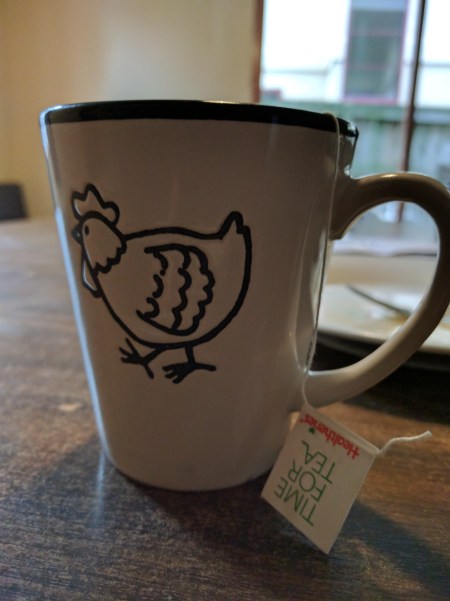
If I wake up at 8:30 next Wednesday, I’m ditching the coffee mug and brewing decaf tea instead. I’m going to sip it slowly, and really enjoy it. I may even have a second cup. I recommend you do the same. So what if we’re a few minutes late?
No Caption


Jack in New Zealand: Yugen

July 7, 2016

“To watch the sun sink behind a flower clad hill. To wander on in a huge forest without thought of return. To stand upon the shore and gaze after a boat that disappears behind distant islands. To contemplate the flight of wild geese seen and lost among the clouds. And, subtle shadows of bamboo on bamboo.” Zeami Motokiyo

“Discuss your preparations to go abroad – how you are feeling, anxieties or excitements, last minute projects or plans you are making, etc.” UR OIE

How do I feel about going abroad? I think this question is a little vague. I’m fairly confident that the UR Travelogue coordinator is referring specifically to the four months I will spend at the University of Otago in NZ working toward my Biology degree when he says ‘abroad’, but after several months (and in some cases, years) of students and OIE faculty throwing around the term, it’s difficult to nail down a precise definition.

If returning students and previous travel bloggers are to be believed, ‘abroad’ means ‘the best semester of college’ and ‘learning and growing’ and ‘OMFG amazing’ in so many words. If the OIE is the defining authority, then ‘abroad’ means ‘cultural exchange’ and ‘horizon broadening’ and ‘a lot of paperwork’. Even friends and family (individuals keenly aware of my specific plans) reduce ‘abroad’ to banalisms like ‘so much fun’ and ‘independence’ and ‘legally imbibing alcohol’.

‘Abroad’ has been consistently built up over the past months to mean all of these things, and while I believe everyone’s definitions come from a genuine source (perhaps from their own life-changing international study experiences, and their desires for me to have the same), I think it’s impossible for these definitions to truly encompass the ‘study abroad experience’. Each seems a little too trite to be true, and with students attending programs around the world, ‘abroad’ cannot possibly begin to define the experiences of every student.

So it’s quite difficult for me to pin down exactly how I feel about ‘abroad’. I think I’ve decided I don’t feel much about it at all. ‘Abroad’ is going to just sort of happen to me. And that’s the way I’d prefer it.

My preparations for abroad have been almost entirely practical, concentrating on packing my backpacks, leaving behind any definitional baggage that could serve as a template or filter for my experience. A laundry list of expectations will only serve to make me anxious, distance me from the present moment, and prevent me from truly marveling at my experience. A constant stream of ‘is this the best semester I’ve had so far?’, ‘am I experiencing enough cultural exchange?’, ‘am I taking enough advantage of my ability to legally imbibe?’ will prevent me from experiencing what it truly means to ‘go abroad’.

That being said, if I have any hopes for abroad, it’s that my friends, family, and the OIE turn out to be entirely right. I want to return in December to find that the only way to fully describe my experience is ‘OMFG it was so awesome’. I want the trite travel-bloggisms to be true. I want an experience so complex and amazing that I am reduced to spewing positive unintellectual platitudes upon my return, and really and truly mean them.

But in the mean time, this blog will be concerned with the experience as it happens, free from definitional filters and expectations. It may be occasionally trite. It may sarcastically spite its own triteness. Above all, I hope it will be an honest and entertaining accounting of my experience. You’ll get a sense of how I feel about my own personal ‘abroad’ along the way.


Emily in Samoa: An Average Day

May 18, 2016

I guess I should begin by saying that no day is really average here, but since we’ve stopped our classes and begun our month-long independent research projects, we’ve all begun to sink into our own daily schedules. We’ve also stopped island-hopping, which means we are spending a lot of quality time in Apia and its environs. Here is my daily schedule:

7:00- wake up. Drink tea, write journal entries. I check my email before the real action of the day begins, since with the time difference the day (well, yesterday) has already begun at home. Before this, however, I need to squish the ants that take up residence in my laptop overnight. Keyboards are prime real estate for colonially-inclined insects, and I have tried to discourage them from settling permanently in my electronics. However, the war can never be fully won.

8:30- head to town. Apia is about 10 minutes away from campus, and we get there by taking pink and yellow city buses. Luckily for us, they are not too crowded in the morning, though when schools get out they are packed, a phenomenon that Samoans deal with by sitting on other passengers’ laps, often stacking three people high. Many of the drivers like to blast reggae music, blending Samoan classics with revamped American pop.

In town, I go first to the headquarters of Women in Business (WIB), a local organization funded by the UNDP. My research project is focused on local farm to table initiatives, and WIB is running a project that is designed to better connect farmers and restaurants. I show up at around 9:00 to see what they have planned for the day, then tag along on any excursions they have. One day we set out on a tour of farms on the north coast, sourcing for weekly supplies of produce. WIB records what farmers have available, then sends a list of available foods to participants. Each sends an order list in return, and on Fridays WIB puts the orders in palm frond baskets. The idea is that farmers will not have to drive all the way to Apia, then sit all day in an open air market, only to return home without selling their produce. Farm to table will guarantee them a buyer, and cut down on shopping trips for restaurants and local consumers.

12:30- Since our research projects depend on surveys and interviews, I concentrate on interviews in the morning, and give out surveys in the afternoon. Interviews cannot be scheduled in Samoa, as executives and officials will often be two hours late, or postpone “for tomorrow” (which really means an ambiguous time in the future), or spontaneously leave for New Zealand for a month without giving notice. That said, it’s much easier to show up at the government buildings and see who’s around.

Surveys are the same as interviews: show up, don’t make appointments, and be friendly…but also be pushy. I have surveyed 50 restaurants (in a country of 180,000 people, this is fairly sizable), and the amount of time taken to fill them out ranges from two minutes to two weeks, during which I come back “tomorrow” five times, and listen to owners tell me to return some other time to get them. I now sympathize much more with people who hand out surveys…

Though it comes as a surprise to restaurateurs, my surveys are not intended to irk or inconvenience. I hope to gauge restaurants’ satisfaction with local markets and resources, as well as to assess potential problems with both local and imported foods. Once I explain this to restaurants, they are much friendlier. Some owners sit down with me to chat, making me a cappuccino and talking to me for hours about their hopes for their restaurant, challenges to business, where Samoa is headed, and the hot new topic of Why Trump Is Terrifying (their perspective). We often get on the topic of their favorite recipes, and they insist not only that they have the best recipe for fried chicken/pork dumpling/etc. in Samoa, but also that I must try said recipe. Similarly, farmers always make sure that I take samples of their best fruits home with me. This is my favorite part of my research.

Buses stop running at around 5:00, so after walking around town hunting down surveys, I head back to campus. Our group has a water boiler, a rice maker, a toaster, and a one-legged skillet, and we cook and talk as we trickle in from our daily adventures. Research can be exhausting, but it is also rewarding to make your own schedule, and reap the benefits of the efforts you put into a project. With only three weeks left of the program, it is essential that we all continue to put our all into our experience, in order to get the most out of our time here.


Emily in Samoa: Sega na Leqa

April 19, 2016

Sega na leqa (pronounced SENG-a na LENG-a, and don’t enunciate the g’s) is a Fijian phrase similar in meaning to hakuna matata: in other words, no worries, no problem. This is a key phrase to know in Fiji, which has taken on new meaning for me during our week-long visit to the country. Before we arrived, I’d thought it a given that we’d be chanting the “no worries” mantra–Fiji is internationally typecast as a carefree, worry-free, never-ending beach, probably with a waterfall in the background and a pink hibiscus blossom somewhere in sight. Of course we’d be saying no worries in a place like that, where there is seemingly nothing to worry about.


Spontaneous horseback riding on the beach plays up the worry-free Fiji stereotype.

Spontaneous horseback riding on the beach plays up the worry-free Fiji stereotype.


This assumption was first disproved a month before our scheduled flight, when cyclone Winston tore through the islands. A category 5.1 storm, about the magnitude of hurricane Katrina, Winston demolished crops, flattened homes, flipped cargo ships, and turned life on its head. Towns were razed to the ground, with villagers hiding in caves for weeks to protect themselves from winds and high water levels. Two of the hardest-hit towns were Levuka and Rakiraki… the main towns on our itinerary.


This was our first sega na leqa moment, where we kept our schedule and hoped for the best, knowing the trip would be hard, but that we might be of use to villagers by bringing supplies they lacked. No problem…?

Aboard our flight, the second disaster struck. We had just gotten our in-flight drinks when the plane dropped 200 feet, shooting us out of our seats and sending our food and drinks flying. Visibly shaken, we braced ourselves as the plane dipped again and again, hoping we would not be starring in a sequel to Cast Away. Hearts in our throats, we had a nerve-wracking second half of our flight, and were relieved to finally land in Suva. Our clothes were sticky with soda and juice, but we were for the most part alive. No problem. Sega na leqa…


One of Suva's main streets

One of Suva’s main streets


After two days meandering around Suva, we were scheduled to take our trip to Levuka and Rakiraki. We were ready to brave conditions there, but never followed through with the plan. The weather station grimly announced that travelers were out of luck, as choppy waters and floods in the port town of Nadi made ferry trips impossible. Another cyclone was on its way, and towns sank underwater as winds and tides picked up. Some footage of the flood can be found here: https://www.tvnz.co.nz/one-news/world/360-video-ground-in-cyclone-zena-hit-nadi


Sega na leqa. We decided to scrap all of our plans and drive around Viti Levu, the big island of Fiji. We made our way first to Sigatoka, a coastal town known for its market. But, thanks to the new cyclone brewing, we couldn’t make it all the way to our homestays. We turned on the radio to hear a worried voice: “a level 2 cyclone is headed toward Fiji, and will center on Sigatoka. Expect flooding, high winds from 120-160 km per hour, and flying debris. It is advised that everyone take shelter within the next hour. High flood advisory for Sigatoka, please evacuate.” Hurriedly we cancelled our homestay plans and checked into a hotel on a hill, skidding out of town as the river rose.

Huddled in the darkness of our hotel rooms, without power, water, or backup funds (the SIT program changed our director’s credit card without notice, and it will take a month for the mail ship bearing the new card to reach Samoa), we waited. We told ghost stories, lit candles, listened to doors slam in the wind.

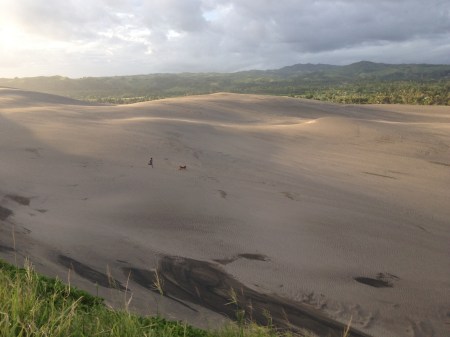
But sega na leqa. The forecast had been wrong, and the cyclone died out before the worst would have hit us. And so we drove to our village homestays, where at last, things started looking up. Our host families took us to coastal sand dunes, which towered 100 ft in the air and required us to scramble up almost vertical slopes to reach the crest of dunes. Still without power or water, we sat and socialized at night, cooking roti over open fires.


Atop the sand dunes

Atop the sand dunes


At last, the flooding subsided in Nadi, and we headed to the town. Our guide, Prem, loves spontaneity, and sega na leqa is his personal motto. When plans fell through he took us to his house for lunch, then promised to show us a special surprise later that day. We all piled into his van, and drove through town, looking at flood lines on buildings and riverbanks.

We wound through hills, and the planned, paved road turned to gravel, then to dirt, growing dustier and windier. At last, we parked on the side of the road. “Get out,” Prem ordered. “Here is your surprise.” We waded through knee-length grass, and found ourselves at the top of a mountain…transported to the cover of a National Geographic magazine. The land dropped away beneath us, giving way to rolling hills and a far-away sea, where we could see the silhouettes of neighboring islands.

Sometimes there are problems, and there are obstacles that block us from following our plans to the letter. But as we stood atop the mountain, gazing out at the lands that we been hurrying through the first part of the week, I realized that the whole time, we were exactly where we needed to be.


Our surprise

Our surprise


Sega na leqa, and here’s to all the best-laid plans that go awry.


Tony in Switzerland: Swiss you were here

April 19, 2016

Hello readers. It’s been a busy week for me here in Lausanne: classes, dissections, and a day trip thrown in the mix. Fortunately, the weather worked out in my favor. It rained while I was in classes, and as I walked out everyday, the sun started shining.


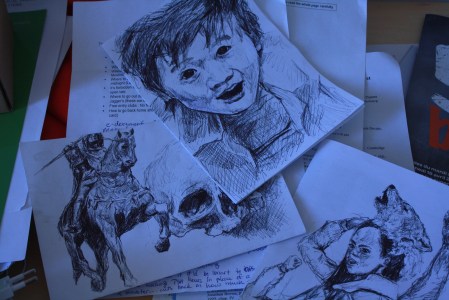
 Between a presentation, an essay, and biological literature, I've taken to doodling to de-stress a little bit.

Between a presentation, an essay, and biological literature, I’ve taken to doodling to de-stress a little bit.


Spring is here, which made for perfect timing to make a quick visit to Geneva after a stressful week of assignments. Out of all the Swiss cities I’ve visited thus far, Geneva appeared to be the most energetic.

I toured the city with a group organized by the Erasmus exchange student network. We stumbled upon a carnival as we walked to the old city section of Geneva.

I toured the city with a group organized by the Erasmus exchange student network. We stumbled upon a carnival as we walked to the old city section of Geneva.


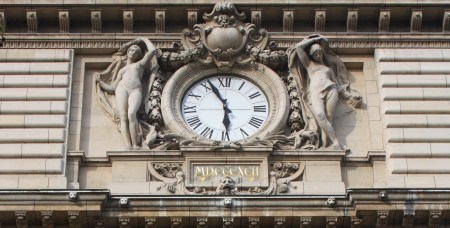
As we approached the older quarter, the classic European aesthetic started taking shape. The post office was decorated with beautiful sculptures.

As we approached the older quarter, the classic European aesthetic started taking shape. The post office was decorated with beautiful sculptures.


We eventually arrived in the old quarter where we learned about Geneva's Protestant history. This chapel is found beside the former home and workshop of John Calvin, a contemporary of Martin Luther who sought to deviate from Catholicism.

We eventually arrived in the old quarter where we learned about Geneva’s Protestant history. This chapel is found beside the former home and workshop of John Calvin, a contemporary of Martin Luther who sought to deviate from Catholicism.


Our tour guide emphasized how the Protestants opposed the corrupt nature of the Catholic church, notably its market of selling indulgences to absolve sins. To that end, the Protestants refused to decorate the interior of their chapels in the same way as a Catholic cathedral: no gold, no paintings, no stained glass.

Our tour guide emphasized how the Protestants opposed the corrupt nature of the Catholic church, notably its market of selling indulgences to absolve sins. To that end, the Protestants refused to decorate the interior of their chapels in the same way as a Catholic cathedral: no gold, no paintings, no stained glass.


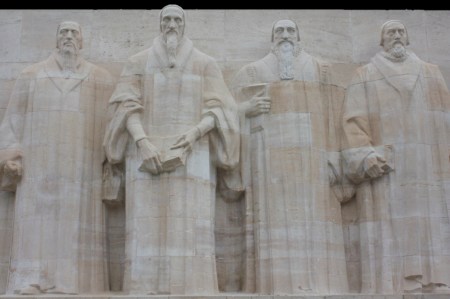
We ended the tour of Geneva in the central square in front of this monument built in honor of the Protestants, including John Calvin (second from the left).

We ended the tour of Geneva in the central square in front of this monument built in honor of the Protestants, including John Calvin (second from the left).


I appreciated taking this tour of Geneva and being reminded of events in world history that I learned about in high school. I can’t wait to discover more of Switzerland’s cities as I transition to the second half of the semester.


Emily in Samoa: A Trip…Home?

April 12, 2016
A traditional canoe by Tutuila’s main road. April 17th is Flag Day for American Samoa, and each village will have a canoe in an island-wide boat race in the main harbor

A traditional canoe by Tutuila’s main road. April 17th is Flag Day for American Samoa. Each village will have a canoe in an island-wide boat race in the main harbor.


We just got back from a four-day trip to the island of Tutuila in American Samoa, where we stayed with host students and their families. The students were members of the community college’s Phi Theta Kappa honors society, and were eager to get to know us, welcoming us as friends and new members of their families.

I was excited from the moment we touched down. Like many of the students in my group, I knew the least about American Samoa going into my study abroad, and was curious about what it would be like—more so than Fiji or Savai’i. We started by driving past chains like McDonald’s and Carl’s Jr…places I would not usually frequent in the US, but which sparkled with new fascination as we drove past. A lot of the world’s American stereotypes felt true here: things seemed glittery, plastic, diverse, plentiful. Or perhaps I was just in culture shock.

The situation got even better when I met my host. We had similar personalities, and as she told me about what she had planned for our stay, I couldn’t help smiling. She wanted to take us to ice cream spots, the best ocean views, and her aunt’s function center (set on top of a hill that overlooked the island). “My dad’s an artist,” she said, “but he also loves to cook…really intricate things. He’s starting to put tattoo patterns on his cakes, and he’s going to make lasagna on Thursday for you.” Oh gosh. The L word. We went back to her house, and I was enveloped in air conditioning, basking in the feeling of cool air on my skin as I delved into Arizona iced tea and potato chips. None of us had felt like life in Samoa was particularly hard, but I was not expecting this reaction to all the food choices on my arrival in American Samoa—an island only half an hour’s plane ride away, yet a world apart.

I could go on for pages with the food, but suffice it to say that I ate my fill and more. And between eating, hikes, lectures, and late-night talks with my host family, the stay was over before we knew it.


 One of my host family's paintings, a mural at a local retreat. More artwork can be found at https://www.facebook.com/MarkAshleyFaulknerart/

One of my host family’s paintings, a mural at a local retreat. More artwork can be found at https://www.facebook.com/MarkAshleyFaulknerart/


My family was the biggest highlight of my trip, as every night they sat up for hours talking about life in American Samoa, their past, and what they hoped to do in the future. Our group advisor wants us to analyze whether culture is “blended well” there, and we’ve all found that is impossible to do so. My family called themselves weird, since they were a small nuclear family with healthy portions of Portuguese, Hawaiian, Australian, Solomon, and Samoan in their family tree. They didn’t go to church or bingo, though most of the island did. My host father created artwork based on Samoan traditional tattooing, but wasn’t widely known, since those in the community “didn’t understand his art,” and felt they could make it themselves. My host brother, who was sixteen, was a product of all this “blending,” but was closest to the Tongan population on the island, since his best friend was Tongan and they would often go to church and other events together.


flower leis find a new twist in American Samoa, where grocery stores sell leis with candy, chips, and 5-hour energy bottles

flower leis find a new twist in American Samoa, where grocery stores sell leis with candy, chips, and 5-hour energy bottles


leis close-up


So what exactly is cultural blending, and how does one do it well? And why should we assume that American Samoans do it less well than Americans or Samoans? To me, culture just is. A group might lose traditions, but it cannot lose culture…it can only adapt it, as we have been seeing in American Samoa.

One aspect of Samoan tradition and culture that is still very much alive is the legend of the turtle and shark in the village of Vaitogi. According to one version of the story, a man and woman fell in love, and ran away from their island so that the man would not have to fight a war. They were taken in by the villagers in Vaitogi, but their leaders, angry at the man’s desertion, eventually found them out, chasing them to the cliffs. The pair refused to surrender, and jumped into the ocean, where they turned into a turtle and shark. Another version claims that the pair are a mother and daughter fleeing famine. You can watch the first version in more detail here:


The pair can still be seen today, but only if the villagers come to sing their special song. Our hosts had called the village before our visit, and a woman came out to meet us when we arrived. After five minutes of singing, they both appeared, the turtle surfacing on the right, and the shark swimming in the crest of a large wave that came crashing down on the cliff. It’s easy to be cynical of legends, but much harder when they come true right in front of you.


Searching for the turtle and shark at the cliffs of Vaitogi

Searching for the turtle and shark at the cliffs of Vaitogi


Other aspects of American Samoan culture are not as Samoan…perhaps more like what many like to call a “melting pot.” There is little food waste, as is common in independent Samoa, but when this is combined with easy access to American fast food chains and junk food, health risk and obesity rates go through the roof. Add to this the inability to access fruits and vegetables, due to the lack of home gardening and mainland ships that never seem to arrive, and you end up with a difficult situation. Similar instances of blending can be seen elsewhere in the culture: strong Samoan family values are played on by recruiters to coax students with few options (the US government has prevented universities from being established on the island) to join the army. Tuna canneries employ large numbers, and enable proprietors to label their products as “made in the USA” without paying their workers national minimum wage…since American Samoa is not officially part of the nation. And the list goes on…

It may come as a surprise to some readers that American Samoa exists and is part of the US. We certainly aren’t told much about it where I’m from. Well, it’s an “unorganized, unincorporated territory,” the last US holding in which people are not citizens, and thus cannot vote or have a voting representative in Congress. They also do not pay taxes, and maintain their land without risk of eminent domain, even receiving payments from the government to rent their land as a national park. There are pros and there are cons, as there would be any place in which different cultures are coming together and attempting to successfully coexist.

I hope that one day in the future I will be able to host members of my American Samoan family at my house in Massachusetts, so that we can continue are conversations, and that I can begin to see my world through their eyes, as they tried to see their world through mine.


Sunset from my host family’s hilltop retreat

Sunset from my host family’s hilltop retreat


Tony in Switzerland: Tapas and Tanning

April 11, 2016

Olá pessoal! I’m writing to you all following my spring break adventures in Spain and Portugal. Studying abroad in Europe in the spring means that there are quite a few days off in order to respect Christian holidays. Semana Santa, in particular, allowed for a week of reverence…and also a break from my studies. I (finally) started my biology courses at UNIL, and I have to say that I am satiated with a balance of review material and completely new information. A week’s break was just what I needed after diving into pharmacology, neuroscience, metabolism, and endocrinology!


I first traveled to Barcelona with a group of friends from Lausanne. We, of course, went to the Sagrada Familia. Although beautiful, the cathedral is overwhelming!

I first traveled to Barcelona with a group of friends from Lausanne. We, of course, went to the Sagrada Familia. Although beautiful, the cathedral is overwhelming!


Here's a picture from Park Güell. Unfortunately, we were not able to visit the mosaics of the park, but we were able to tour the national park that surrounds it: a picturesque area that immerses you in a forest and rugged architecture.

Here’s a picture from Park Güell. Unfortunately, we were not able to visit the mosaics of the park, but we were able to tour the national park that surrounds it: a picturesque area that immerses you in a forest and rugged architecture.


Visiting Barcelona also allowed for another reunion with my friend and suitemate from UR. After the fun in the city, we continued our trip to Lisbon, Portugal. As a Portuguese-speaker, I was ecstatic to be able to speak Portuguese to random strangers and for handling sundry things.

Luckily for us, one of my friend's from Lausanne reconnected with a former exchange student from her host university in London, Ontario. Her friend gave us a private tour of Lisbon over the course of two days, including a trip to the Lisbon monastery.

Luckily for us, one of my friend’s from Lausanne reconnected with a former exchange student from her host university in London, Ontario. Her friend gave us a private tour of Lisbon over the course of two days, including a trip to the Lisbon monastery.


 Along one of the harbors in Lisbon, there is an enormous monument dedicated to the explorers who set out on adventures to the New World. As our tour guide put it, the monument was directed at me.

Along one of the harbors in Lisbon, there is an enormous monument dedicated to the explorers who set out on adventures to the New World. As our tour guide put it, the monument was directed at me.


 Following Lisbon, we traveled to Lagos, a touristy area a couple of hours away from Lisbon. I became enamored of the area and its beaches and will surely try to invest in property there.

Following Lisbon, we traveled to Lagos, a touristy area a couple of hours away from Lisbon. I became enamored of the area and its beaches and will surely try to invest in property there.


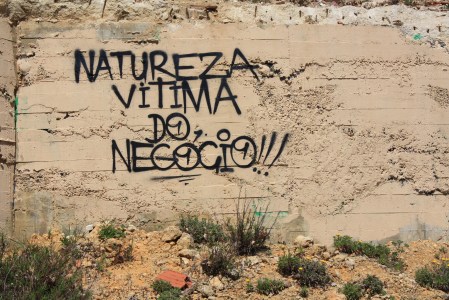
 Lagos had its own angsty graffiti as well. Someone pointedly spray-painted "Natureza vitima do negócio" ("Nature victim of negotiation") on a wall in front of a huge hotel resort.

Lagos had its own angsty graffiti as well. Someone pointedly spray-painted “Natureza vitima do negócio” (“Nature victim of negotiation”) on a wall in front of a huge hotel resort.


That’s all from me this time. The next few weeks are going to be filled with my biology labs and maybe a trip here and there, but science dictates my schedule. We’ll see how far I get by next week’s post! (Probably not that far–to the other end of the biochemistry building, maybe.)


Tony in Switzerland: Champagne and Champions

March 29, 2016

Recently, I spent a weekend in Paris: a weekend of sight-seeing, champagne tasting, and, of course, reunions. So many reunions. My close friend Lily from Richmond is studying abroad at Sciences Po in Paris this semester. Meanwhile, my friends from home, Sara, Emma, and Katherine, are studying abroad in Paris through their different programs affiliated with UMass Amherst, Boston University, and Skidmore College, respectively. Plot twist: Sara, Emma, Katherine, and I have friends from high school studying abroad in Florence this semester as well, and as luck would have it, we all decided to reunite this weekend.

I have been fortunate enough to visit Paris once before through UR’s Summer Study Abroad program. This time, I wanted to put an emphasis on what I haven’t seen before!


My first tourist attraction on the list: the Paris Catacombs. I have desperately wanted to visit the Catacombs ever since a certain horror movie came out. It certainly was not my favorite, but I loved the setting.


The Catacombs are the unfortunate consequence of the king's order to essentially uproot a cemetery. There are so many bones--so many former bodies that make up the catacombs, but you are almost immediately desensitized to death upon entering. The walls even have funny quotes on the wall, such as "Sometimes death is more advantageous than living."

The Catacombs are the unfortunate consequence of the king’s order to essentially uproot a cemetery. There are so many bones–so many former bodies that make up the catacombs–, but you are almost immediately desensitized to death upon entering. The walls even have funny quotes on the wall, such as “Sometimes death is more advantageous than living.”


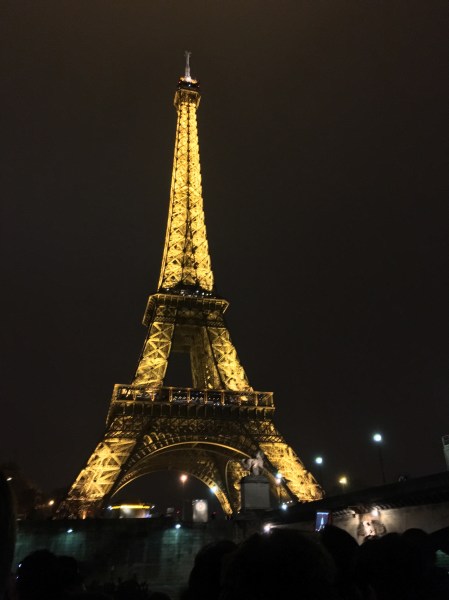
I may have already seen the Eiffel Tower, but that wouldn't discourage me from seeing it in a different light...nighttime to be exact. My friends and I went to an event on a boat organized by the local Erasmus student exchange network that included a tour of the Seine.

I may have already seen the Eiffel Tower, but that wouldn’t discourage me from seeing it in a different light…nighttime to be exact. My friends and I went to an event on a boat organized by the local Erasmus student exchange network that included a tour of the Seine.


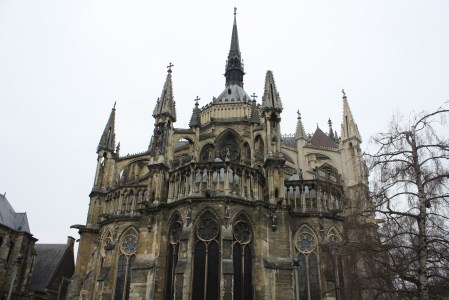
The next day, I went to Reims, the capital of the Champagne region, with Lily and her friend Holly. We were able to tour a cave in Reims and even participate in a tasting. Reims is also home to another famous Cathédrale de Notre Dame.

The next day, I went to Reims, the capital of the Champagne region, with Lily and her friend Holly. We were able to tour a cave in Reims and even participate in a tasting. Reims is also home to another famous Cathédrale de Notre Dame.


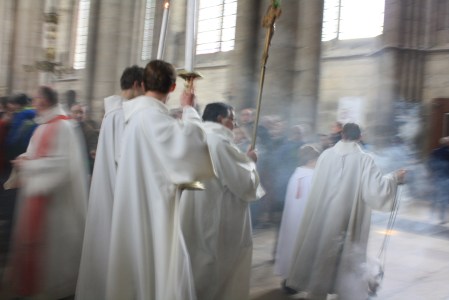
This Notre Dame is built in the French Gothic style much like the one in Paris, and it was by far my favorite cathedral to study in art history. I sometimes forget that these monuments still hold ceremonies in them. Lily, Holly, and I were able to catch the tail end of a Palm Sunday service in the cathedral and watch the mystifying procession.

This Notre Dame is built in the French Gothic style much like the one in Paris, and it was by far my favorite cathedral to study in art history. I sometimes forget that these monuments still hold ceremonies in them. Lily, Holly, and I were able to catch the tail end of a Palm Sunday service in the cathedral and watch the mystifying procession.


I'm always drawn to the statue of Charlemagne in front of the Notre Dame in Paris. I ended my visit with one last photo of the monument.

I’m always drawn to the statue of Charlemagne in front of the Notre Dame in Paris. I ended my visit with one last photo of the monument.


As my friend Katherine explained, “Paris is, at once, overwhelmingly big and familiar.” She’s a natural poet, and her words resonated with me at the end of my second stay in the city. I had so much fun reconnecting with another Richmond student and my friends from Cape Cod. I can’t wait until my next visit.


Emily in Samoa: Return to Return to Paradise

March 24, 2016

This weekend, my friend got married.

We got a call from a Peace Corps volunteer, formerly in SIT, telling us that the Return to Paradise resort was looking for “travel-savvy, foreign-looking people” to feature in its new website and advertising campaign. They offered a free night, all expenses paid, at the resort as a perk. We were curious about what we might be getting ourselves into, and a group of us agreed to go.


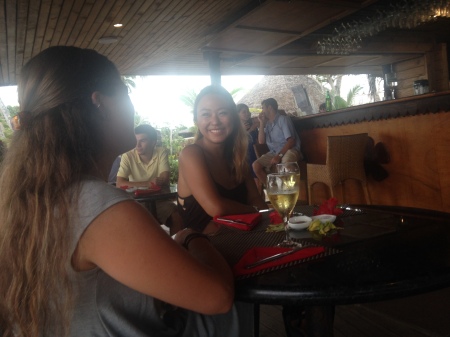
Mastering the spontaneous smile over cocktails

Mastering the spontaneous smile over cocktails


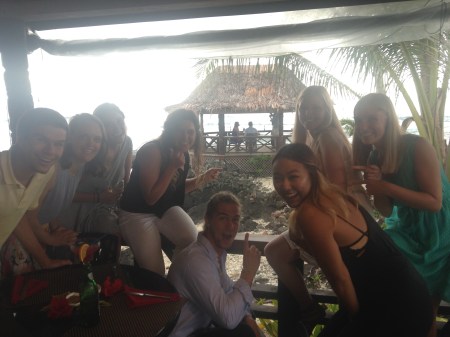
We were told to expect bikini photos on the beach. However, when we arrived, the photographer told us that the clouds made that plan impossible, and that we would instead have a wedding. We started by shooting photos of the bar, sipping specialty cocktails and showing the camera how much we were enjoying ourselves. Next, we moved to romantic dinner photos, and the chosen couple sat out in a private fale on the rocks as a drone flew around them taking candids. The rest of us were supposed to be continuing our background bar banter, but were peeking out at the couple and the photographer.


Spying on the newlyweds

Spying on the newlyweds


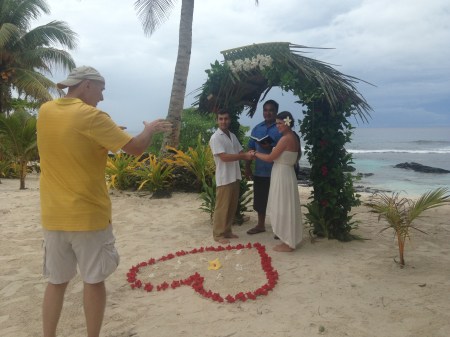
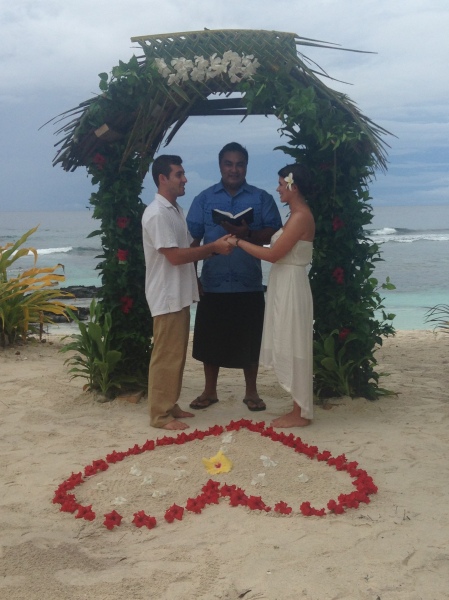
Things really heated up the next day, when we shot the wedding. Our poor friend who was picked for the bride spent the whole morning posing for photos: sitting, standing, looking at a wedding dress, getting makeup done, having a head massage (only enough for photos), and…getting married. Barefoot on the beach, we surrounded her and the Peace Corps volunteer, looking down at a heart made from hibiscus flowers.

At the last minute, the photographer realized he’d forgotten to find a pastor, and snagged a nearby gardener. “Here,” he said. “Open the bible and pretend you’re reading.” Various romantic photos were taken, but my favorite is the one of the kiss, chiefly because of our gardener/pastor, who has his eyebrows raised and mouth open.


Capturing the wedding vows

Capturing the wedding vows


wedding


After the wedding, the photographer ordered us to go out to the rocks, and we danced as the drone flew above us. I think these are some of our best photos, though also our strangest.

This was one of the most unexpected, bizarre experiences I’ve had in Samoa, but it isn’t the first time that SIT students have done something like this. Samoa’s foreign tourism is not big yet, numbering only around 20,000 non-Samoan tourists per year. And young, foreign-looking people are few and far-between; besides Peace Corps, SIT, and actual honeymooners, options are minimal.

But the biggest question arising out of this whole ordeal, for me, is “is this culturally OK?” Overall, I have my doubts, but I’ve decided to try to argue for a yes for this specific case. The Return to Paradise is owned partly by locals (not part of Hilton, Marriot, and friends), and has a policy of hiring two members from each household in surrounding villages. These higher hotel wages are a huge stimulant for the local economy, since minimum wage in other job venues is a dismal $2.33 per hour, under $1 US. And because of low wages and little surplus other than that sent in remittances, it makes sense that the hotel would be catering to wealthier New Zealanders and Australians, a population that is largely white and “foreign-looking” to the Samoans.


The coastline by the Return to Paradise

The coastline by the Return to Paradise


The next factor that leads me to a “yes” is the movie Return to Paradise, which was filmed on the site and which gave rise to the hotel. This film starred Gary Cooper, and was shot in the 1950s. Return to Paradise marked the first instance in which local indigenous people played leading roles, and parts were not filled by white people in blackface. The female lead was played by a bank teller from Apia, and if you watch the film with people in nearby villages, most will point out a number of aunts and uncles. So, the film is looked upon positively by locals, as it promoted their culture more positively than other films would have, and encouraged local involvement.

Finally, there is Us. Were we right to do this? The hotel probably spent over $600 Samoan on each of us, so the owners really wanted our pictures. And afterward, they plan to put my friends’ wedding photos on billboards and foreign advertisements. So there was definitely a lot of people-using-people going on here. But, if we had not come, they probably would have found someone else, someone who would not reflect back on the experience, taking the perks and moving on with life. I think that is the most dangerous scenario, and so I am glad that a group of students studying cultural issues in the Pacific agreed to the shoot.

The conversation about this should continue, since I’m still not sure what to think. I certainly enjoyed my first beach wedding, and will never look at the people in hotel photos the same way again. And I hope that this weekend of cheesy photos and questionable ethics will do something positive for locals in the end.


Our bride mentally prepares for her ceremony

Our bride mentally prepares for her ceremony