Dan in Argentina: Let the Bucket List Begin

November 30, 2015
As the semester winds down, I decided to write a Bucket List of things to do before I leave...in less than three weeks! This weekend, after the election of conservative presidential candidate Mauricio Macri, I went to the Obelisk where supporters were celebrating. With the backdrop of a cloudy Buenos Aires night, you can see the Macri flyers falling like snow to the ground. As we were leaving, public works employees began leaf-blowing the flyers and other litter into trash bags. Seeing the Obelisk up close was on my Bucket List and getting to check it off this night was really special.

As the semester winds down, I decided to write a Bucket List of things to do before I leave…in less than three weeks! This weekend, after the election of conservative presidential candidate Mauricio Macri, I went to the Obelisk where supporters were celebrating. With the backdrop of a cloudy Buenos Aires night, you can see the Macri flyers falling like snow to the ground. As we were leaving, public works employees began leaf-blowing the flyers and other litter into trash bags. Seeing the Obelisk up close was on my Bucket List and getting to check it off this night was really special.


Also on Sunday night, I went out to dinner with my friend Ben's family in Puerto Madero (now checked off my to-do list). At the end of dinner and after the long election day, fireworks lit up over the river to celebrate Macri's victory.

Also on Sunday night, I went out to dinner with my friend Ben’s family in Puerto Madero (now checked off my to-do list). At the end of dinner and after the long election day, fireworks lit up over the river to celebrate Macri’s victory.


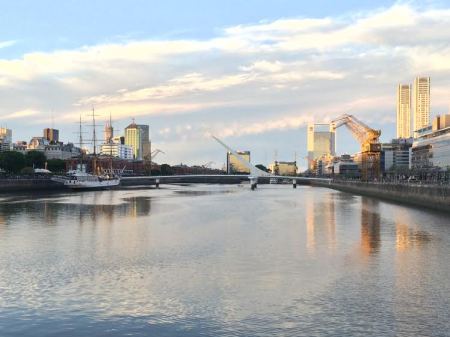
On the other side from the fireworks is the famous Puente de la Mujer. This bridge's name translates to "Woman's Bridge" and represents the woman's role in the tango with her leg extended from her body. In this picture you can see the "new" in Puerto Madero with its big apartment buildings and riverside dining but also the "old" as a still functional port.

On the other side from the fireworks is the famous Puente de la Mujer. This bridge’s name translates to “Woman’s Bridge” and represents the woman’s role in the tango with her leg extended from her body. In this picture you can see the “new” in Puerto Madero with its big apartment buildings and riverside dining but also the “old” as a still functional port.


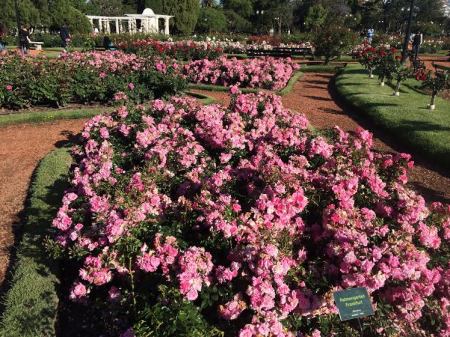
The Rosedal Park is one of the most beautiful gardens I have ever seen. Filled with roses of all different colors, this park has parrots (which are native to the area) flying all over the place. When I went to (as they say) take a moment to smell the roses, newlyweds were taking pictures and gardeners were working to maintain this amazing park.

The Rosedal Park is one of the most beautiful gardens I have ever seen. Filled with roses of all different colors, this park has parrots (which are native to the area) flying all over the place. When I went to (as they say) take a moment to smell the roses, newlyweds were taking pictures and gardeners were working to maintain this amazing park.


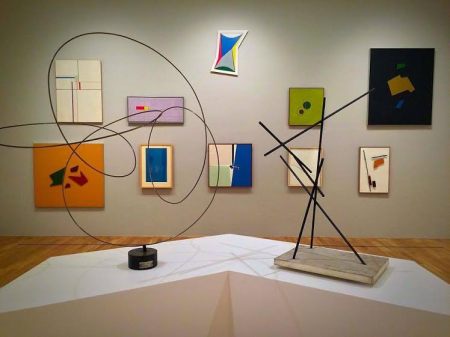
The National Museum of Fine Arts in Buenos Aires was amazing...and free! With works of important Argentine artists as well as famous international artists, the museum holds a little of everything. On the top floor, a contemporary art exhibit displayed some Argentine modern art, very distinct from the rest of the museum which is filled with immense tapestries, Rodin sculptures and Monet samples.

The National Museum of Fine Arts in Buenos Aires was amazing…and free! With works of important Argentine artists as well as famous international artists, the museum holds a little of everything. On the top floor, a contemporary art exhibit displayed some Argentine modern art, very distinct from the rest of the museum which is filled with immense tapestries, Rodin sculptures and Monet samples.


Dan in Argentina: City Views

November 17, 2015
It's no Westhampton Lake, but it'll do. This small lake in the middle of Buenos Aires has geese, ducks and other fauna, is just about the same size as Westhampton, and, on a nice day you, can roller-blade and bike-ride around it. The only real differences are the tall palm trees surrounding it and, of course, it's hemispherical difference.

It’s no Westhampton Lake, but it’ll do. This small lake in the middle of Buenos Aires has geese, ducks and other fauna, is just about the same size as Westhampton, and, on a nice day you, can roller-blade and bike-ride around it. The only real differences are the tall palm trees surrounding it and, of course, it’s hemispherical difference.


It's quickly becoming the summer in Buenos Aires and the palm trees finally make sense. Before recently, temperatures ranged from high 40s in July to low 70s around Halloween. Now, two weeks into November, we are hitting 80 consistently! The foliage here is uniquely a mixture of oak and palm trees that blend together beautifully...especially now that it's warming up! (BTW, that's what their school buses look like)

It’s quickly becoming the summer in Buenos Aires and the palm trees finally make sense. Before recently, temperatures ranged from high 40s in July to low 70s around Halloween. Now, two weeks into November, we are hitting 80 consistently! The foliage here is uniquely a mixture of oak and palm trees that blend together beautifully…especially now that it’s warming up! (BTW, that’s what their school buses look like)


This is my morning coffee view. Now that it's so nice out, every morning, I drink my cup of coffee on the balcony and listen to the hustle and bustle of the city.

This is my morning coffee view. Now that it’s so nice out, every morning, I drink my cup of coffee on the balcony and listen to the hustle and bustle of the city.


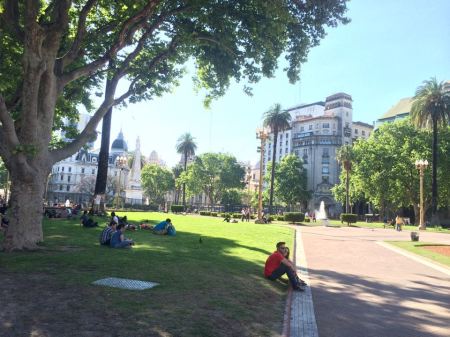
Walking to a bus stop the other day in a part of the city I don't often go, I passed this great little park where everyone was enjoying the sun and the nice summer climate. Parks like these are common all around Buenos Aires and I love stumbling across them.

Walking to a bus stop the other day in a part of the city I don’t often go, I passed this great little park where everyone was enjoying the sun and the nice summer climate. Parks like these are common all around Buenos Aires and I love stumbling across them.


Layla in Australia: Redfern

November 17, 2015

We are in the thick of exams season at Sydney Uni! Exams work very differently here compared to how they are at Richmond. They’re spread out over 3 weeks, with the first week being a ‘reading week’ where there are no exams. I was unlucky enough to have 3 exams on the last 3 days of the exam period, and to put the cherry on top, the last on is on a Saturday! Needless to say, I have quite a few long nights ahead of me. In this post, I’m going to talk about housing here in Sydney and the neighborhood I live in.

Sydney University exchange students get a discount to live at a building called Urbanest Cleveland Street in Redfern, an inner-city suburb of Sydney. It’s about a ten-minute walk up the Cleveland Street to the edge of campus. However, Sydney real estate prices are very, very expensive, and Urbanest is no exception. I would compare Urbanest to Gateway Village back at Richmond, but it is much more expensive, even considering the favorable exchange rate. Luckily, the Office of International Exchange is generous enough to give students studying abroad in expensive locations a $1000 stipend, which helps mitigate the ridiculous cost of housing in Sydney. There are other student accommodations in the suburbs surrounding Sydney Uni, but my Urbanest location had the advantages over these options of ensuite bathrooms, a kitchen for each apartment, availability on a semester-only basis, and the discount.

I share an apartment with five other (American) exchange students, one who also happens to be a Richmond student. The six of us share a kitchen, with each of us having our own bedroom and bathroom. The building itself is very modern and comes equipped with a (very expensive!) laundry room, computer lab, gaming room, and gym, among other amenities. So while Urbanest is expensive, I think that the quality of the housing and its proximity to campus is worth the cost.


My (cleaned just for this picture!) bedroom at Urbanest. It's definitely a comfortable size for one person.

My (cleaned just for this picture!) bedroom at Urbanest. It’s definitely a comfortable size for one person.


While my building is technically located in Redfern, it is actually at the corner of 3 different Sydney suburbs – Redfern, Chippendale, and Darlington. It’s also less than a five-minute walk to Redfern station, one of the biggest train stations in Sydney. You can take a train from Redfern to pretty much anywhere in the city (except for the airport, which can be frustrating as a travelling exchange student). Living so close to the train station has been a highlight of my time in Sydney — I’ve never lived in a city before, and public transport has always been nonexistent. Not having to rely on a car and being able to catch a train anywhere I want to go in the city has been an amazing experience.

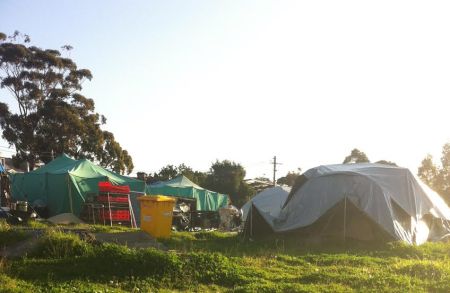
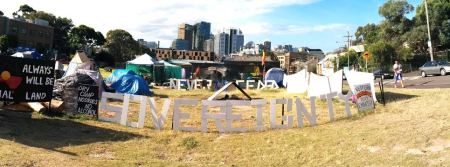
On the way to Redfern station, I walk up what was formerly the most infamous street in Sydney – Eveleigh Street, or ‘The Block.’ The first time I walked up Eveleigh Street, I immediately noticed a grouping of tents in a field, just in sight of the station. I later learned that the tents were what is called an Aboriginal Tent Embassy. To explain the origins of this tent embassy, I need to explain Redfern itself.


The Redfern Aboriginal Tent Embassy, captured in July 2015.

The Redfern Aboriginal Tent Embassy, captured in July 2015.


Redfern is a suburb with notorious connotations in Sydney. When I first told my parents that I’d be living in Redfern, they balked. As people with a view of Sydney from the early 2000s, all they knew of Redfern was its seedy reputation. The neighbourhood is known for its high concentration of Aboriginal Australians. As I’ve learned in my Australian history class this semester, the relationship between Aboriginal Australians and non-indigenous Australians has been extremely complex and is fraught with tension to this day.  For example, even before Australia became an independent nation, the advent of white settlers decreased the native population by 90%, and up until the 1970s, the federal government forcibly removed indigenous children from their families under the guise of “child protection.” Aboriginal Australians still experience severely disproportionate rates of poverty and incarceration, and lowered life expectancy and health. It’s been fascinating to observe the differences between the way indigenous peoples are treated here versus in the United States. Here, the prime minister in 2008 made a formal apology on behalf of the government to the indigenous population, there is a National Sorry Day annually for people to reflect on the historical treatment of Aboriginal Australians, and before many speeches and ceremonies, it’s customary to mention that the indigenous tribe is the “true owner of the land.” Thinking of these differences though, I can’t help but reflect on one of the signs I saw at the tent embassy: “don’t recognise, decolonise.” While it seems like Australia is much more progressive concerning its relations with its indigenous people compared to the United States, is it just a facade? It doesn’t seem like merely mentioning and apologising and reflecting is enough — what actions are being taken?


The Australian Aboriginal Flag painted on a wall next to the tent embassy. Another difference from the United States: it is designated as one of the official flags of Australia and is flown alongside the Australian flag.

The Australian Aboriginal Flag painted on a wall next to the tent embassy. Another difference from the United States: it is designated as one of the official flags of Australia and is flown alongside the Australian flag.


One day right before mid-semester break, I walked my normal path up Eveleigh Street to Redfern station and was shocked to see that the field where the tent embassy had been was completely empty. I later learned they had been evicted. As the presence of my student accommodation complex suggests, Redfern has been rapidly gentrifying and has mostly shed its infamous reputation. It’s not fully gentrified yet — there are always a few people begging outside of the station — but it’s been dramatically changed in the last decade or so. Developers from a charity called the Aboriginal Housing Company evicted Aboriginal people from their homes on Eveleigh Street and then demolished them, promising to provide low-cost housing for the original residents. Instead, the company has decided to build more student accommodation on the land, and the tent embassy was erected in protest. The eviction came coupled with a promise of a grant to build the promised low-cost housing alongside the student accommodation, but I definitely will be following this case when I’m back in America to see if it actually comes to fruition.


This image isn't mine; it's from Wikipedia. But I really like it because it shows the proximity of Redfern to the rest of the city, and shows the appeal of the neighborhood for gentrification. Also -- see that ugly brick building with the weird windows in the background? That's Urbanest Cleveland Street.

This image isn’t mine; it’s from Wikipedia. But I really like it because it shows the proximity of Redfern to the rest of the city, and shows the appeal of the neighborhood for gentrification. Also — see that ugly brick building with the weird windows in the background? That’s Urbanest Cleveland Street.


Living in Redfern has been an eye-opening experience for me. It’s been a way for me to see the history I’ve been learning about in class first-hand. It’s been a lesson in prejudice — I was initially nervous to be living in Redfern, but I’ve since learned that it’s not at all dangerous and not to judge places on their reputation. And lastly, it’s been an amazing way to experience living in a city for the first time.


This is my favorite street in Redfern, called Vine Street. Walking past the brightly-colored houses on my walk to the station always puts a smile on my face.

This is my favorite street in Redfern, called Vine Street. Walking past the brightly-colored houses on my walk to the station always puts a smile on my face.


Jiaqi in Italy: Things I Wish I Knew Before Studying Abroad in Milan

November 12, 2015

1. Research about the city and know more than the touristic center

I can not be happier when I find out this incredibly valuable article that truly captures the essence of Milan. It helps me navigate the city and pull out the most intriguing, local spots immediately, in which some places that many expats in Milan would not even think of. Doing some research about the city you are going to is definitely the key to a happy new start in a new environment, since you will start seeing the best of the best, while others are probably still confused by the currency change.


View of the Piazza Duomo

View of the Piazza Duomo


View of Milan

View of Milan


2. Take it easy

No matter where we are, in our home university or anywhere around the world, the biggest problem facing us 20-somethings is purely peer pressure. Yes, you will find the competition out there once you start your first day of class. Ambitious youths compete against each other on how many new cities they have visited so far, how many European capitals that they have taken a stroll through, and perhaps how many new friends they have made. Studying abroad is not playing the statistic game that we have already tired of in school; it is rather a new chapter in our life in which we can choose to be the best version of ourselves. Why not enjoy it? Take your time, learn to cook the local cuisine, sip in a local specialty tea or drink, and marvel at the fall color in an exotic country.


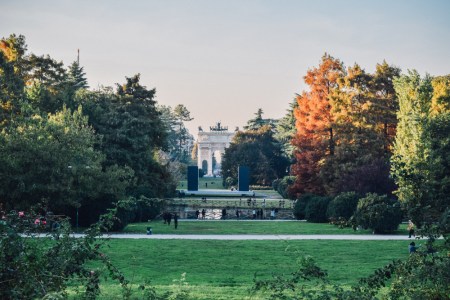
Sunny afternoon in the park

Sunny afternoon in the park


Parco Sempione

Parco Sempione


3. Go Off the Beaten Path

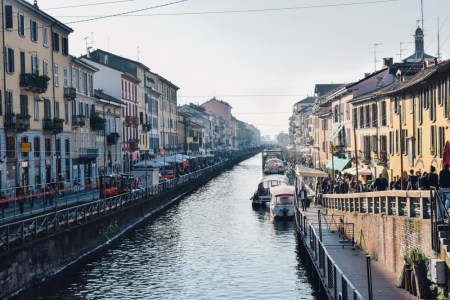
Milan is much more than fifty shades of gray, a funny term that Italians use to refer to their country’s industrial city. The city’s hidden gems never cease to amaze me. Every neighborhood has a particular but equally charming vibe, either luxurious-chic, alternative-hip, or down-to-earth humbleness. Navigli, my favorite neighborhood in Milan, has the cutest cafes in town and some hidden mysteries that only the local history experts know. It used to be a working-class canal neighborhood where all the poor ladies washed laundry for rich families; it used to be the inspirational studio of Milan’s legendary artist Leonardo Da Vinci; it used to be an artist bottega where pupils sit by the canal from sunrise to sunset to draw people from lives. Learning the history of your city’s neighborhoods not only strengthens your understanding of the culture but also makes you much more an interesting guide when your family or friends come visit you.


Navigli neighborhood

Navigli neighborhood


Hidden garden in Navigli

Hidden garden in Navigli


4. Most importantly, embrace what you have!

It’s not that uncommon to hear complaints about a new, gigantic city from some abroad students. Depending on your own capacity to adapt to a radically different environment, moving to a new country is a personal revolution that will probably trigger resistance! What you need to do is simply to relax – and you’d be better to do it the local way. Take my city Milan as an example, relaxation means a “caffè” (italian expresso) in the afternoon, an aperitivo from the rooftop bar with views of Duomo, a stroll through the fashion district, a people-watching game at the chic crowd.


Duomo

Duomo


Colleen in Singapore: Student Life at SMU

November 5, 2015

Hi everyone! Although I have been posting a lot about my travels while abroad, I promise that yes, classes, group meetings, projects, and exams are very much prevalent in my day-to-day life here in Singapore. That’s why this post will be dedicated to my experience thus far at Singapore Management University.


IMG_1172

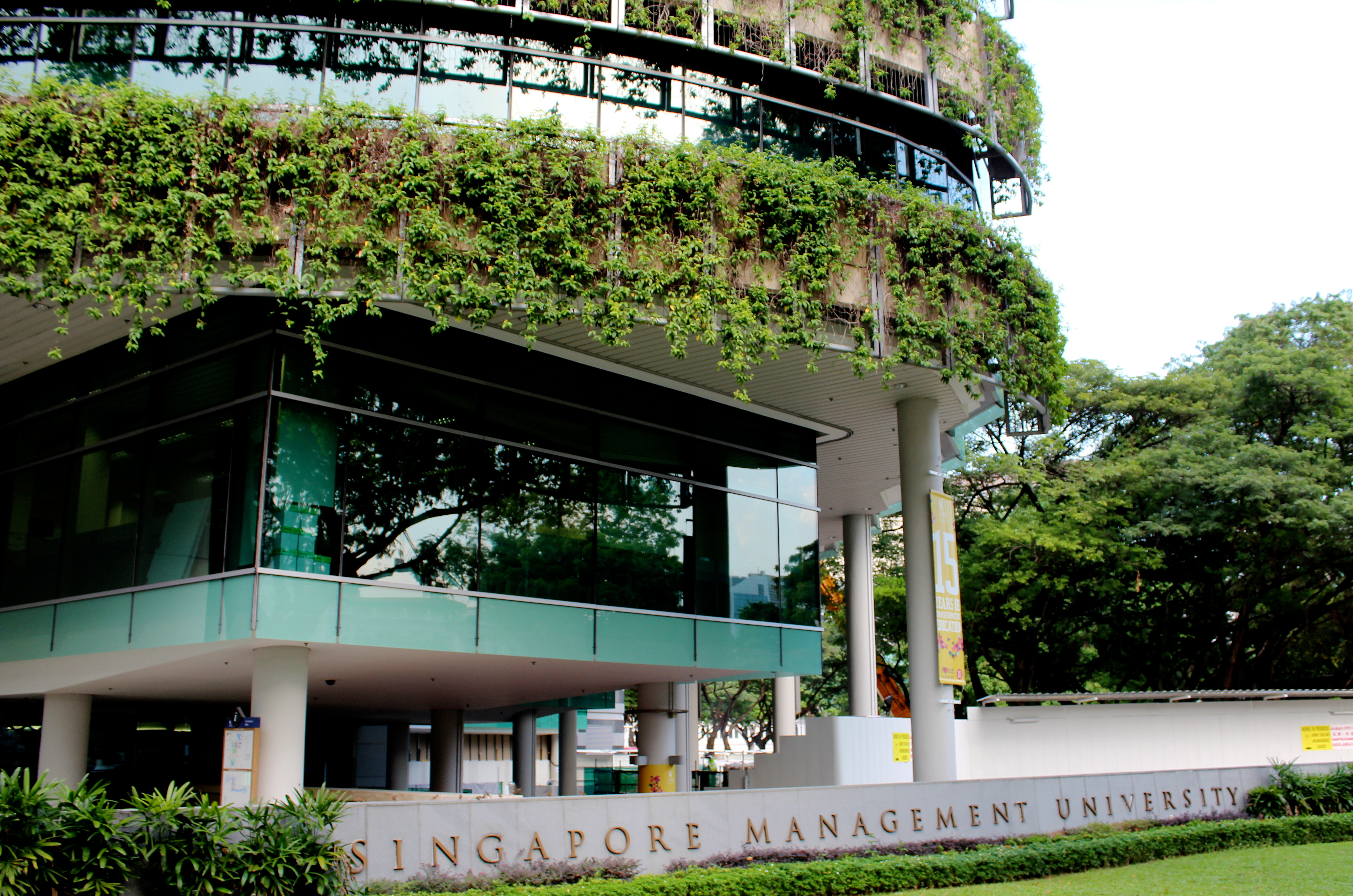
SMU’s campus is smack in the middle of the city. Campus is made up of six schools: School of Accountancy, School of Business, School of Economics, School of Information Systems, School of Law, and School of Social Sciences. There is also an administration building and a library on campus.


IMG_1168


The layout of SMU classrooms is quite similar to Richmond. While students are graded on participation, classes are more lecture-based than discussion-based. Each class is three hours and fifteen minutes, which does take some getting used to. Luckily, teachers give fifteen minute breaks in the middle of class. My biggest class size is 45 students.

The layout of SMU classrooms is quite similar to Richmond. While students are graded on participation, classes are more lecture-based than discussion-based. Each class is three hours and fifteen minutes, which does take some getting used to. Luckily, teachers give fifteen minute breaks in the middle of class. My biggest class size is 45 students.


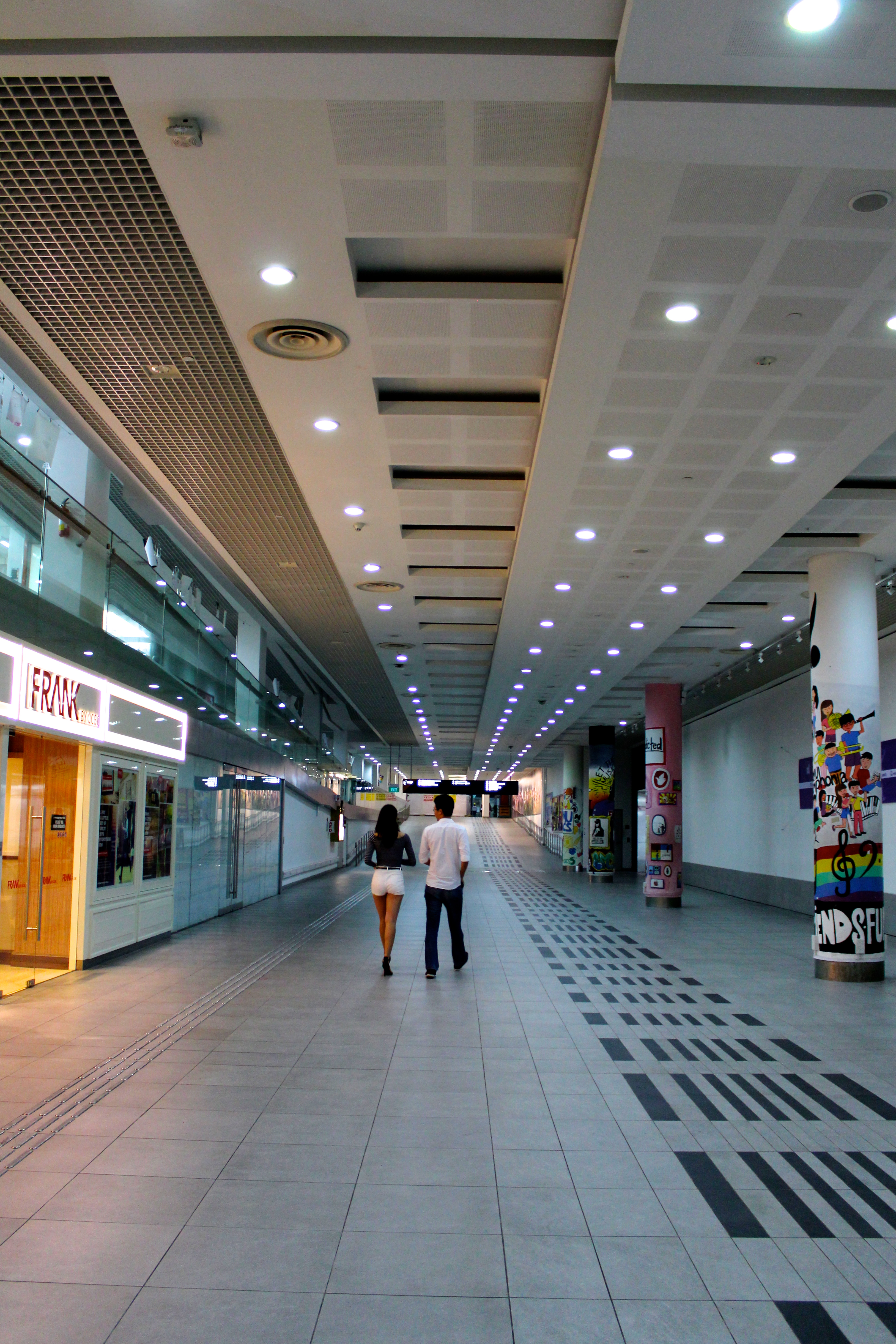
All of SMU's Buildings, with the exception of the administration building, are connected by an underground walkway. This makes getting around campus a breeze, especially on those hot Singaporean afternoons. The underground walkway is also connected to the MRT station, so getting to school is as quick as three stops on the metro.

All of SMU’s Buildings, with the exception of the administration building, are connected by an underground walkway. This makes getting around campus a breeze, especially on those hot Singaporean afternoons. The underground walkway is also connected to the MRT station, so getting to school is as quick as three stops on the metro.


SMU has a rigorous academic schedule, one that is similar to Richmond. However, grades are heavily rooted in midterms and final exams, as there is not much homework assigned. Right now, the semester is coming to an end, and the work load is definitely picking up. The last week of classes consists of many group presentations, and the following week will be final exams. I really can’t believe that my time here at SMU is coming to a close!


A panorama of SMU's campus. This photo was taken from Wikipedia.

A panorama of SMU’s campus. This photo was taken from Wikipedia.


Jiaqi in Italy: Old-fashioned Market in Viale Papiniano

November 5, 2015
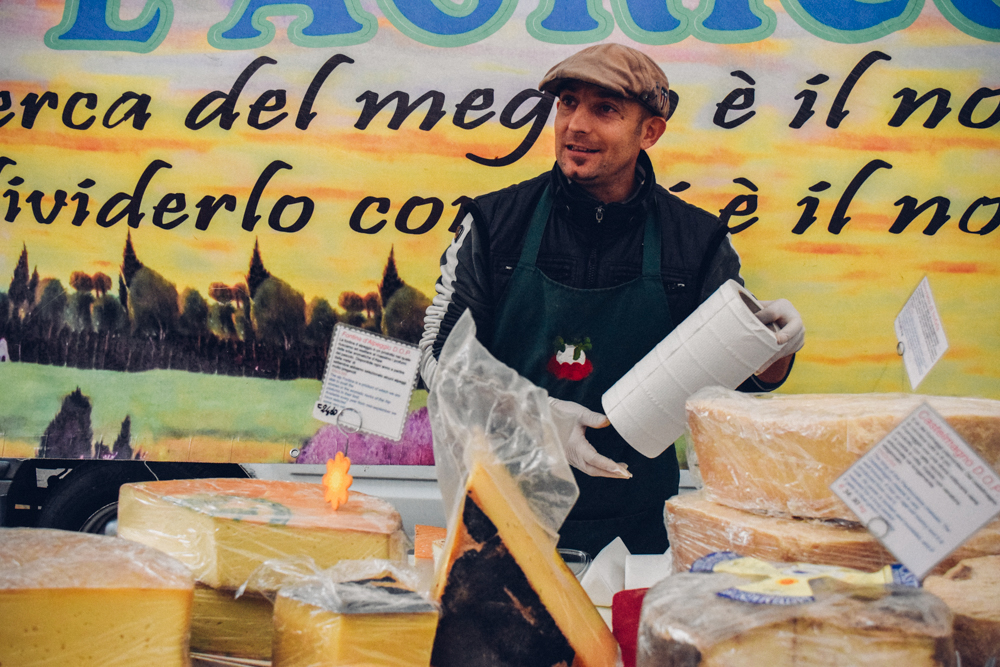
Typical vendor

Typical vendor


I have always had a passion for markets. Fresh produce straight coming from the farmers, cheeses, condiments, clothes, shoes, accessories, shoes, but also home objects. Strictly fresh, honest, low-price, and practical.

My journey in Milan began with a treasure hunt across different farmers’ markets in the city, in search of kitchen essentials, unique clothes, and an authentic view of the local Milanese people. Among all these markets in Milan, there is probably no more vibrant place like the one in Viale Papiniano. Upon entering the characteristically mundane plaza, I was immediately catapulted into the old-fashioned market atmosphere. Through a close look at the intense color and the natural human interactions, I want to present the veracity of the local life in Milan, a part of Milan that is less represented in mass media.


Cheese paradise

Cheese paradise


Cheese stand

Cheese stand


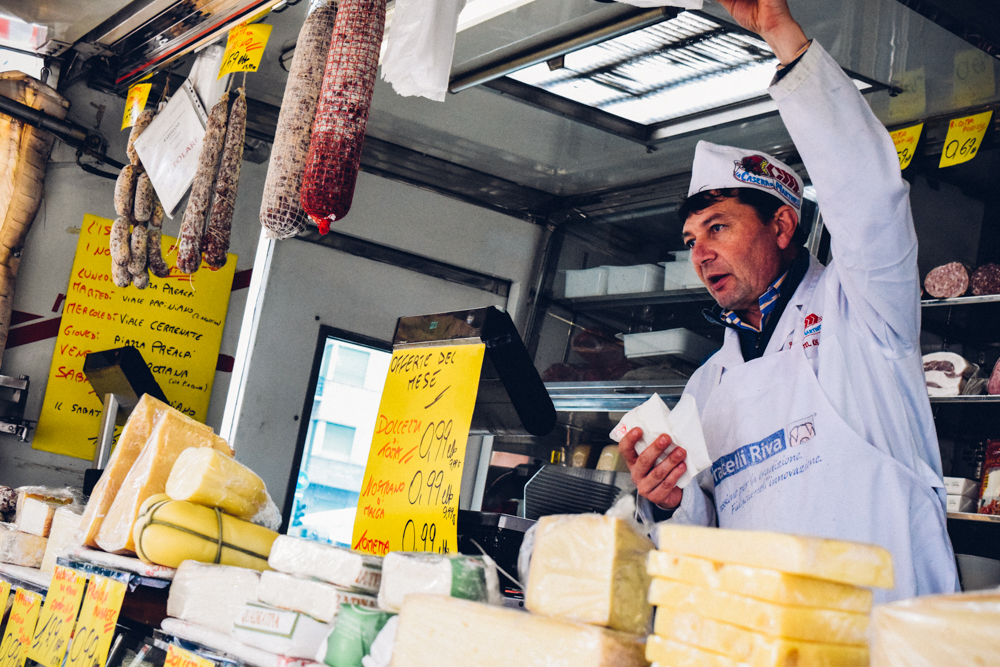
Cheese vendor

Cheese vendor


Passion for cheese has already become an important part of Italian identity. Milanese are no exception, and they for sure know what is good taste. Cheeses, “formaggi” in Italian, come in amazingly diverse variety and quantity in Papiniano market. Each cheese stand has its own specialty and character. My favorite, however, is the organic cheese stand that sells truffled-flavor cheese exclusively. With one little bite, the indescribable flavor of minerals from that far-away mountain has already convinced me.


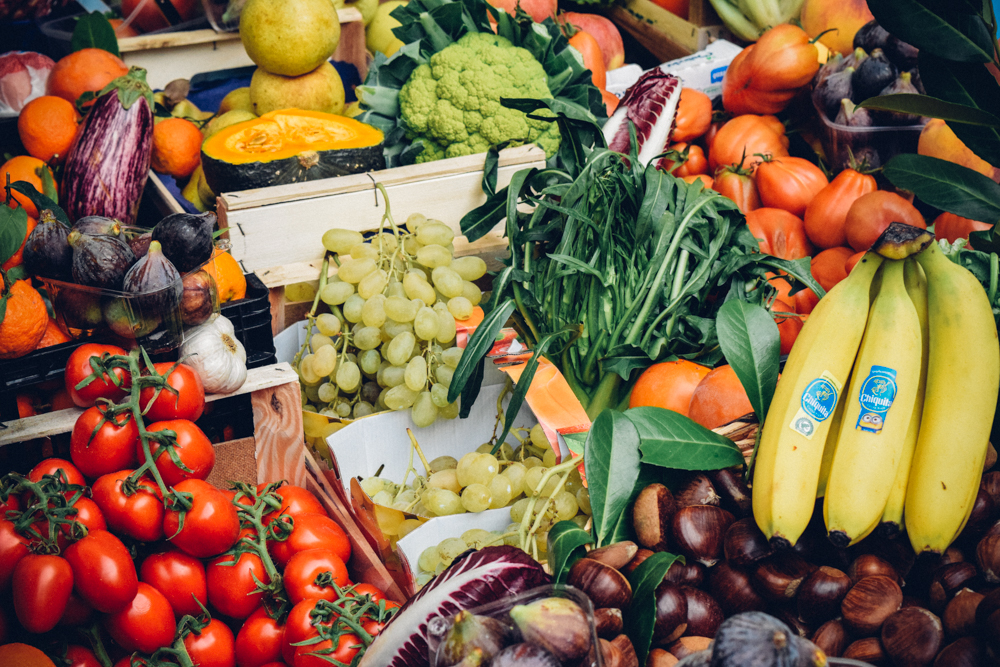
Italian in-season produce

Italian in-season produce


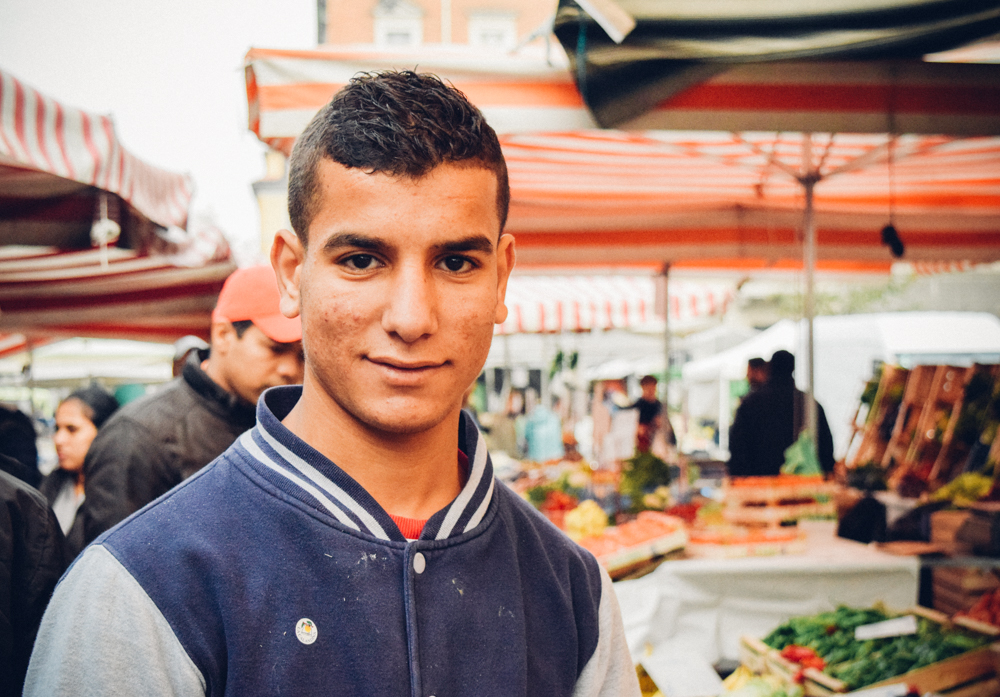
Fruit vendor Muhammad

Fruit vendor Muhammad


Four Euros please

Four Euros please


It’s a great opportunity to see what fruit and vegetables are in season, and Italy has a fantastic range of diverse produce year-round. As what you would expect at a market, there is also the usual yelling and bargaining conversations, which makes it much more lively than a normal supermarket. The stand of Muhammad, a young immigrant from Pakistan, is my go-to place because he always greets me with a warm smile and often discounts.


Dan In Argentina: A True Porteño

November 5, 2015
The word "porteño" is what you call someone from Buenos Aires. As the weeks and months pass, I am feeling more and more like a true porteño. Recently, a bunch of my friends and I took a cooking class on traditional Argentine foods. We made empanadas, beef stew and a dulce de leche desert. It was one of the best meals I've had here! And it tasted even better knowing I had kneaded the dough and stirred the stew. This, among others, was a cultural experience for which UR reimbursed the cost.

The word “porteño” is what you call someone from Buenos Aires. As the weeks and months pass, I am feeling more and more like a true porteño. Recently, a bunch of my friends and I took a cooking class on traditional Argentine foods. We made empanadas, beef stew and a dulce de leche desert. It was one of the best meals I’ve had here! And it tasted even better knowing I had kneaded the dough and stirred the stew. This, among others, was a cultural experience for which UR reimbursed the cost.


Also like a true porteño, I recently took a day trip to Delta del Tigre, a small residential town north of the city, in the province of Buenos Aires. This area is made up of a bunch of islands separated by narrow canals, streams and rivers. You can take boat taxis to different islands, have a picnic and just relax. Here's a picture of me being awkward on a small bridge connecting two close islands.

Also like a true porteño, I recently took a day trip to Delta del Tigre, a small residential town north of the city, in the province of Buenos Aires. This area is made up of a bunch of islands separated by narrow canals, streams and rivers. You can take boat taxis to different islands, have a picnic and just relax. Here’s a picture of me being awkward on a small bridge connecting two close islands.


I, being my true porteño self, also experienced the beauty of an Argentine asado recently. An asado is the equivalent of the American cookout. My host family invited me to their first asado of the summer. As meat cooked on the huge grill, a fragrant smoke filled the room! Along with regular steaks and chorizo sausages, I tried (and subsequently did not enjoy) cow intestines and blood pudding... but of course, as a porteño, I had to try.

I, being my true porteño self, also experienced the beauty of an Argentine asado recently. An asado is the equivalent of the American cookout. My host family invited me to their first asado of the summer. As meat cooked on the huge grill, a fragrant smoke filled the room! Along with regular steaks and chorizo sausages, I tried (and subsequently did not enjoy) cow intestines and blood pudding… but of course, as a porteño, I had to try.


Jiaqi in Italy: Parma & Bergamo: Probably the Best of Italy

November 4, 2015

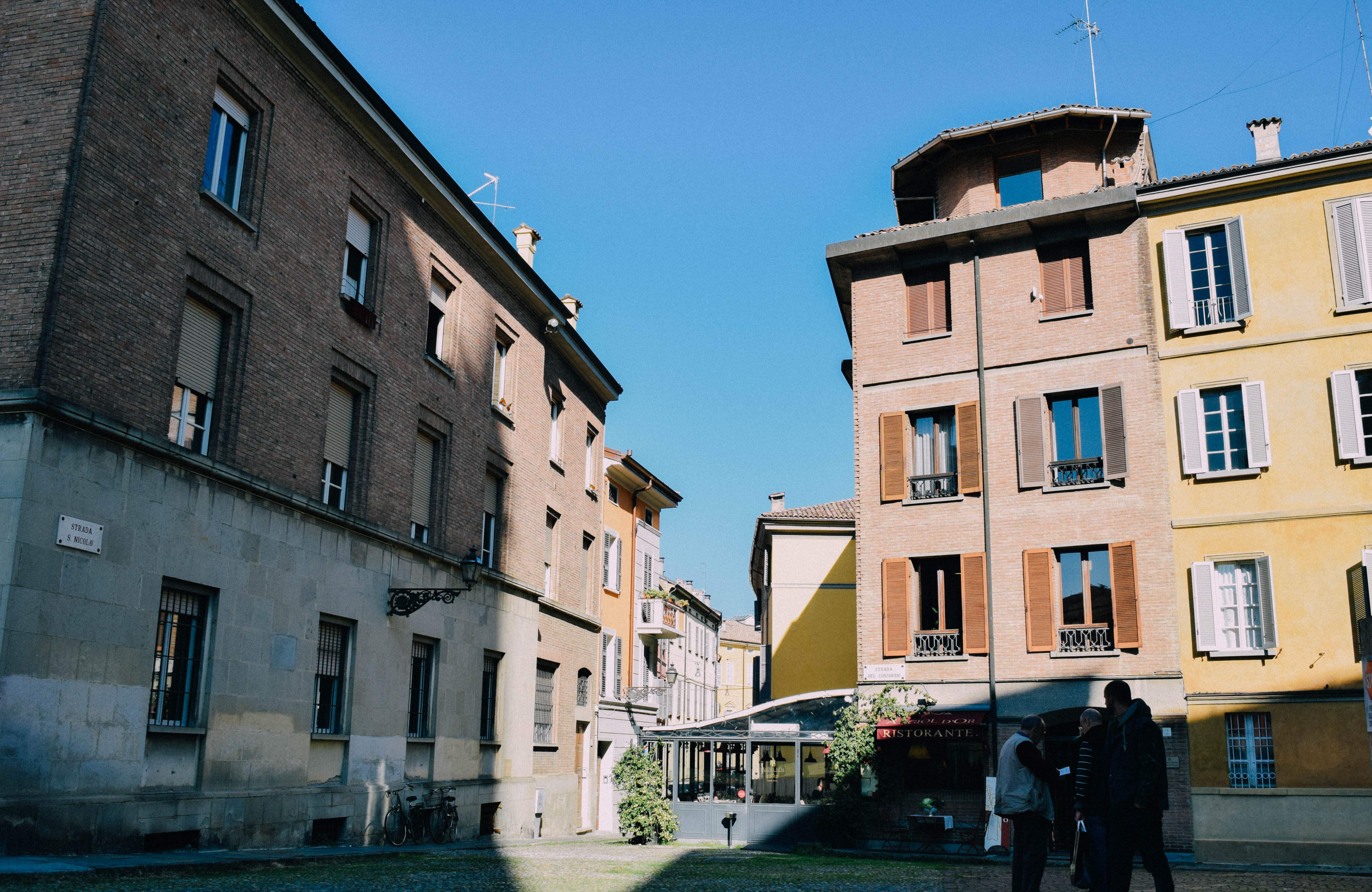
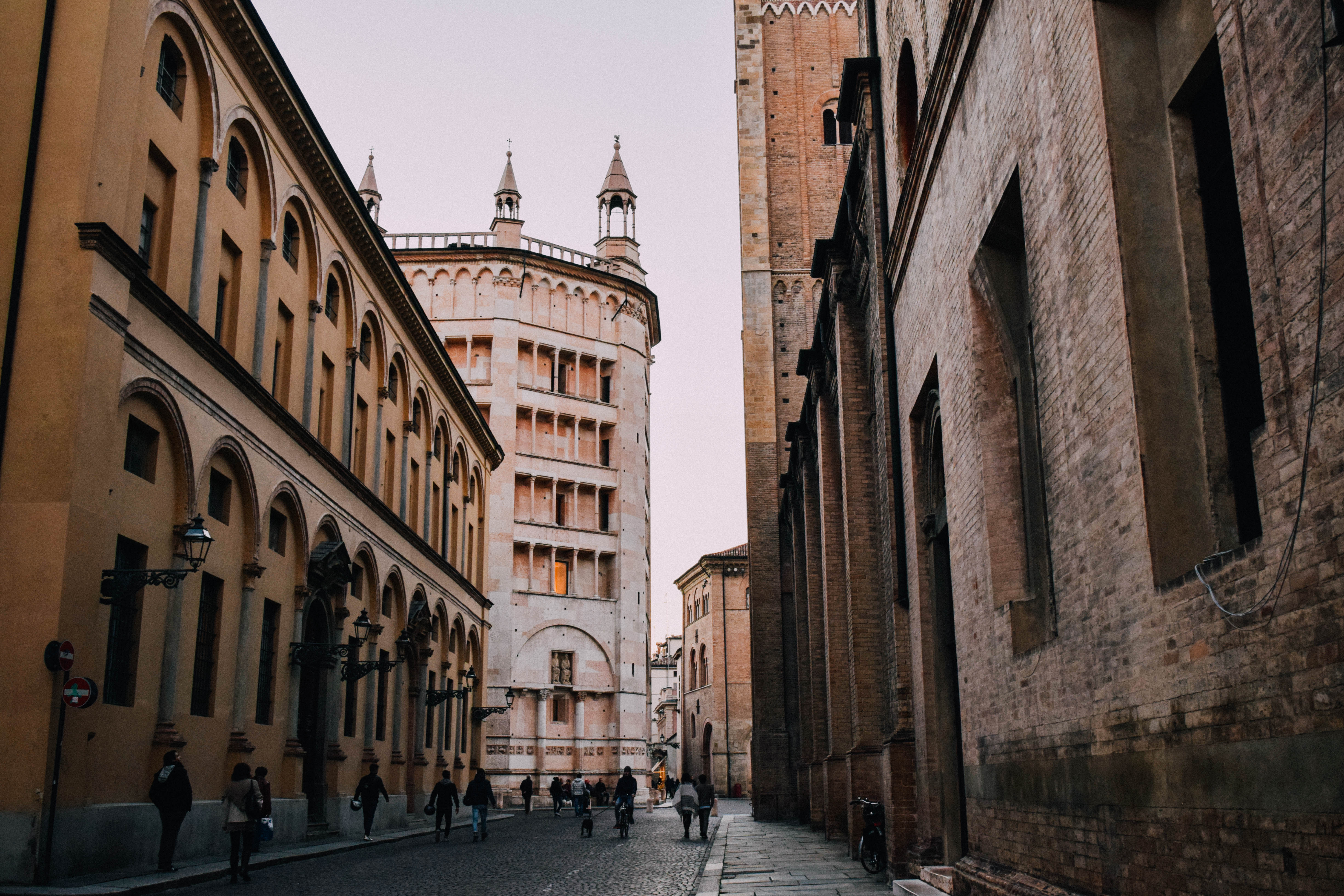
There is no better way to learn about Italy than visiting its less-known, more relaxed cities. With the intention of going off the beaten paths, I visited Parma and Bergamo last weekend for a weekend escape from the 24/7 dynamic Milan. I want to hunt for the humble trattorias and their simple, satisfying, inexpensive cooking. I want to look into those elegant, tranquil courtyards inside of the residential houses with historic outlooks. I listen to how people talk on the train, how they converse with the baristas while quickly sipping their espressos, and how they complain about the weather over phone.


Town of Parma

Town of Parma


Historic center of Parma

Historic center of Parma


I come to Parma because like everyone, I want to pretend for a day at least, that I am Italian. There is no easier city to do that in than Parma. One can walk the markets without bumping shoulders with other tourists, eat a sandwich made of the irresistible local prosciutto at any hour of the day, have a late aperitif down an alley cast in an orange sunset glow. Walk along a narrow street in the historic center and see grandmas hang wet clothes from the balcony.


Teatro Farnese di Parma

Teatro Farnese di Parma


Parma and high art don’t collide often in the same sentence, but when I am standing in the middle of Teatro Farnese and reading through Correggio’s fresco masterpieces in National Gallery of Parma, I am left completely speechless. Those artists have built these works with meticulousness and extreme attention to details. Looking at these frescos and wooden panels, I can truly feel the religious piety that these artists have devoted into their art.


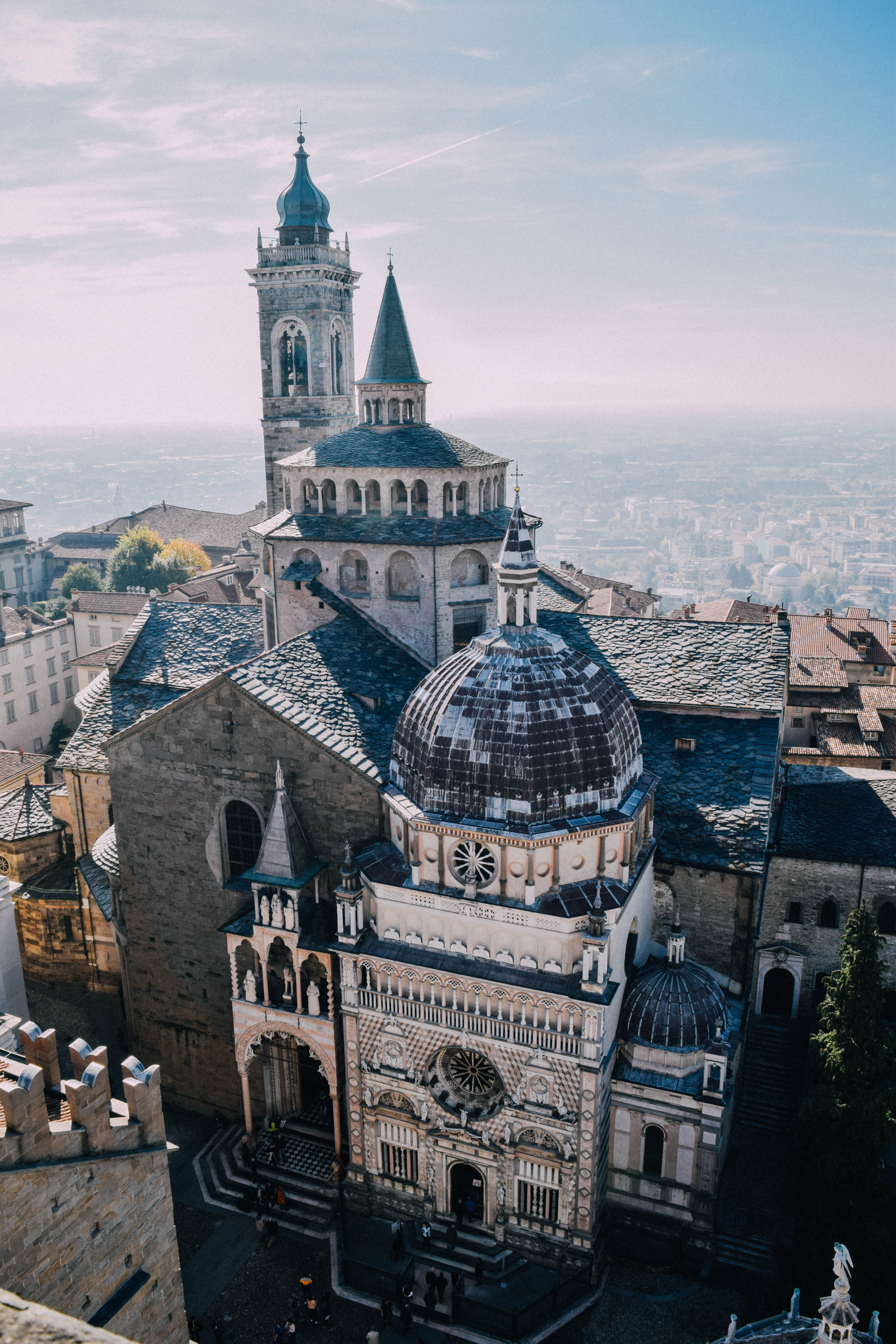
HIstoric Bergamo

Historic Bergamo


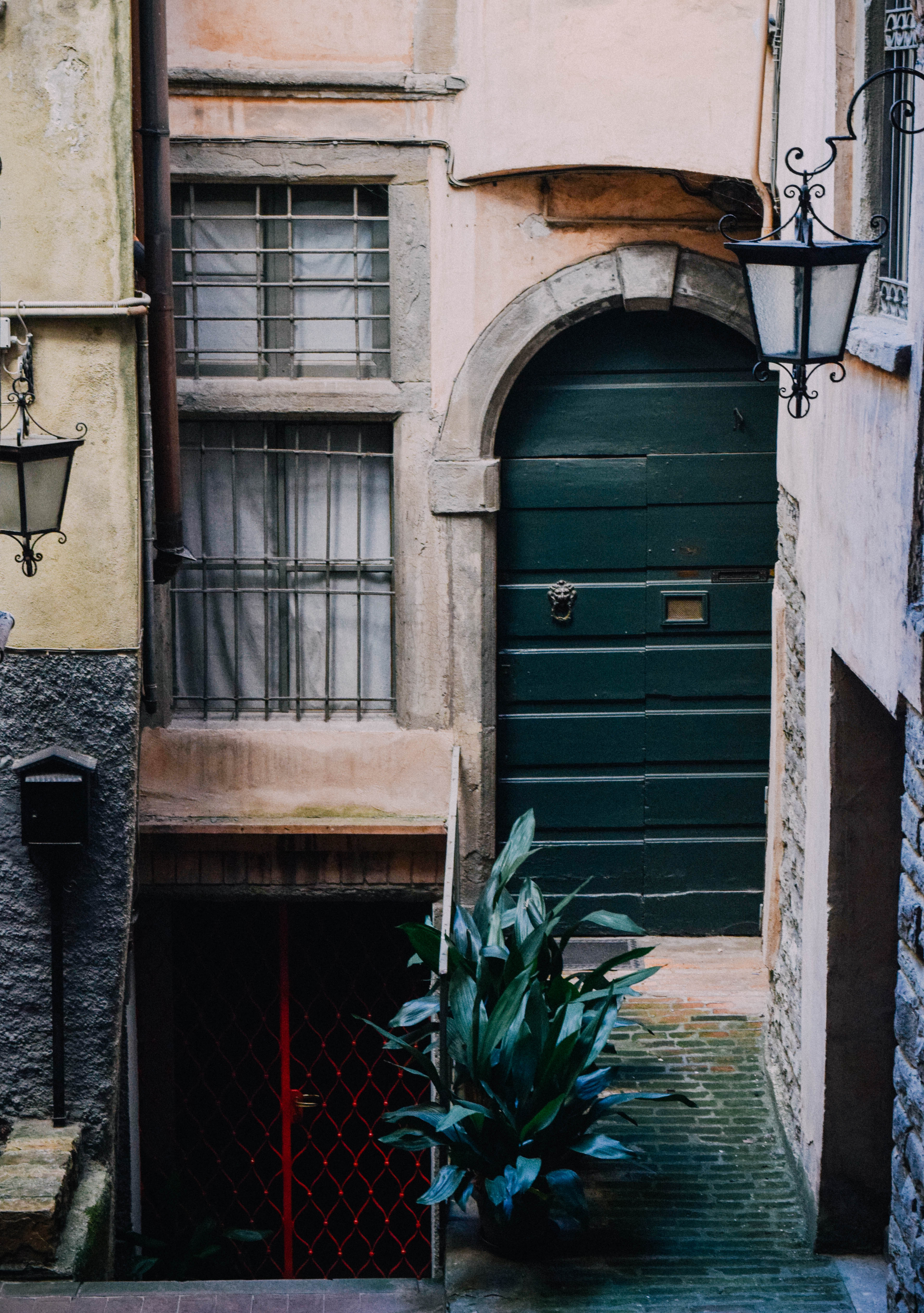
A peak inside Bergamo

A peak inside-Bergamo


Under the roof-Bergamo

Under the roof-Bergamo


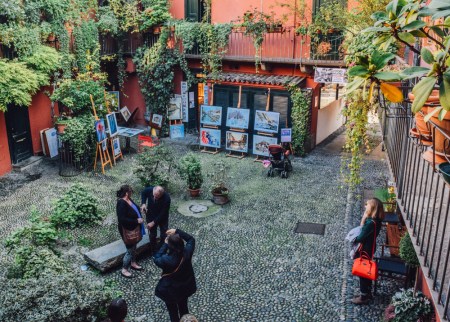
Bergamo, a gorgeous city slightly north of Milan, is also a precious gem overshadowed by its metropolitan neighbor. Housed the  stunning Renaissance-style Basilica di Santa Maria Maggiore, Bergamo also features Venetian rocky city walls and fascinating underground waterways. Hidden and understated elegance, is the characteristic that Bergamo shares with Milan. Inside of every torn down residence exterior, there is always a cozy and chic courtyard. La dolce vita to the core.


Lindsay in Thailand: ‘T’ is for Thailand & Bye Teow (Travels)

November 4, 2015

Since being in Khon Kaen, the occasional cabin fever feeling has fueled many of my last minute travels. My first trip was actually outside of Thailand. On a Wednesday I booked a ticket for Singapore and on Friday I arrived, much to the shock of both Colleen and I. Colleen, a fellow UR blogger, was one of the first friends I made at Richmond. She was my freshman hall neighbor in Laura Robins and we lived through the always awkward and transitional first year together. She is one of those people that can make me question how I went eighteen years of my life not knowing her, so when I found out we would still be living in the same hemisphere this semester, I could not have been happier.


I can’t believe there’s a boat in the sky!

I can’t believe there’s a boat in the sky!


My reunion travel began late Thursday night with an over-night bus adventure to Bangkok, taxi drive to the airport, and plane ride. At two in the afternoon Friday, I finally arrived on the island city-state. Standing in the Singapore airport that prides itself on being “an experience in itself” with a broken phone, I questioned if I would ever find Colleen. By pure luck, I bumped into her twenty minutes after landing and our adventurous weekend began.

After the exchanges of “oh my goodness I’ve missed you” hugs, “how is life” responses, and “look what happened” pictures, we ate dinner in one of the well-known ‘hawker centres’ filled with superb street fare (and Indian food I had been craving so much). We wandered about the city streets, perched on an apartment rooftop, and eventually made our way to the CÉ LA VI bar and observation deck atop the Marina Bay Sands Resort The dancing lasting until four in the morning and the amazing view of the modern city made for a pretty surreal night.
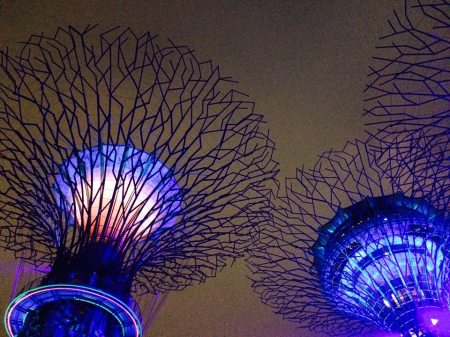
 

The ever so majestic Gardens by the Bay

The ever so majestic Gardens by the Bay


The next day, we walked…a lot. We were able to pack in an extensive tour of the city and even found time for yoga and a catnap atop a magical rooftop garden. We spent the rest of the night strolling through the Gardens by the Bay and laying in the grass marveling at the twinkling lights and harmonious music. This was when a “oh my goodness I can’t believe I’m here” moment kicked in and I left the gardens with such a love for this city. Of course, we could not have finished the night more perfectly than with the ice cream and chick flick we mindlessly consumed. This weekend getaway ended too soon as weekends always do, but it was so nice to spend time in such a wonderful city with an even more wonderful friend!

Continuing the last minute planning trend, my next trip to Chiang Mai, Thailand was very unexpected. Two girls on my program, Leah and Julia, and I mentioned doing a weekend trip on Monday. It was not until Friday that the subject came about again and one hour later, we were in a taxi on our way to the Khon Kaen bus station. A ten-hour bus ride to Chiang Mai was the only thing we knew we had booked for our weekend trip. We did not have hostel reservations, day tours, or tickets back to Khon Kaen, but we were not concerned.


Even with our last minute decision, we made it to the bus station just in the nick of time.

Even with our last-minute decision, we made it to the bus station just in the nick of time.


I still stand by the idea that a lack of formal plans or expectations makes for the best adventures. Somehow for me, everything always seems to work out, even if I least expect it to. The three of us managed to check into a hostel at 8:25 a.m., and by 8:35 we were running to catch a songtow (a ‘taxi’ like mode of transportation that is essentially two-rows of seats in the back of a truckbed) with our half-cooked pancakes in hand for a day trip trek. What makes Chiang Mai one of the most popular destinations in Thailand is because of its combination of lively night markets, ancient wall ruins, and magnificent mountains, all of which we were able to take advantage of.


Elephant hand hug

Elephant hand hug


We began our day visiting an elephant recovery center. We fed the elephants bananas and bamboo, and even bathed them in the river. The elephant I was giving a bath, Di Jai, however, decided she did not want to take a bath anymore and walked out of the river. Meanwhile, I was still on her back left wondering how in the world I was going to get down.


IMG_3789


After we visited with the elephants, we trekked our way up to a waterfall near where the Hill Tribes reside. We swam and splashed in the water until it was time to go rafting. Julia, Leah, and I were assigned to a canoe with another couple and our rafting instructor. He led his unexperienced team through some pretty incredible rapids and showed us the best views of vast mountains and lush rice fields. We ended the day with the largest night market in Chiang Mai filled with silks, Thai pants, and even live animals, and eventually made our way home to Khon Kaen the following day. Chiang Mai is an incredible city that is too big to see in a day and a half, so I hope to return there someday soon.

My next travel destination, Nong Khai, is a small treasure nestled beside the Mekong River just two hours from Khon Kaen. The capital of Laos, Vientiane, is situated just on the other side of the Friendship Bridge, an Australian infrastructure connecting the country with Thailand and aiding Laos development. From my guesthouse situated beside the calm running water, I felt like I could almost touch Laos.

The city of Nong Khai is quite tranquil and charming. Upon arrival, the locals welcomed me and four other ‘farang’ friends as if were family, offering their best English ‘hello, how are you’-s and calling us beautiful (“suwai”) as we passed the open shops. We stumbled upon the small downtown area early on our trip that was bustling with both indoor and outdoor markets. These stores had some of the most magnificent Thai silks and woodcarvings, along with some of the most unusual kanomes (snacks) I had ever seen, including buffalo hide and dried bat.

Nong Khai reminded me just how affordable Thailand is. For just 50 baht ($1.40), my friends and I were able to rent bikes for the full day which really enabled us to see the city’s nooks and crannies (and feel like young kids again). By simply looking at the skyline, we saw the top of an intriguing statue. We followed the figure like it was the North Star. After several close encounters with angry dogs and potholes the size of black holes, we were left amazed. We found the Sala Kaew Ku Park. This sculpture garden, constructed over a 20-year span, contains Luang Pu Boun Leua Sourirat’s Hindu-Buddhist inspired visions with some even towering at over 82 feet tall. I cannot describe how I felt at that time, standing so small beneath what I still think is the closest thing I’ve come to a Wonder of the World.


IMG_4141


Following this portion of our day’s exploration was a race to get back to our guesthouse. At 5:30, a ‘sunset boat’ would leave the small port for an hour ride on the river if enough people were interested. Upon arrival, we were the only ones waiting in line for the ride. This actually worked well, because for just $30, the five of us together rented our own personal houseboat restaurant that sailed the Mekong for an hour under the cotton candy sunset sky. Laos was even closer now, and so were the Laotian dragon boat racers we once saw from a distance on the Thai riverfront. The night commenced with a margarita at the only cocktail bar in town and a wonderful four-hour night/early morning bike ride to the Friendship Bridge and through the market square. Nong Khai remains one of my favorite destinations in all of Thailand.
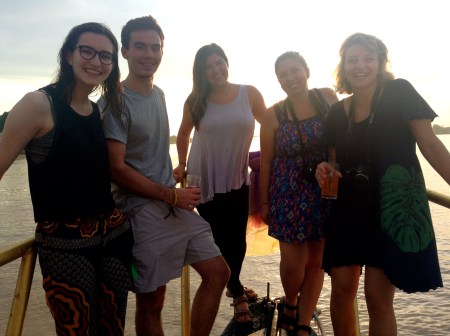


From left: Annie, Billy, myself, Jamie, and Elyssa enjoying our ride down the Mekong River.

From left: Annie, Billy, myself, Jamie, and Elyssa enjoying our ride down the Mekong River.


Jiaqi in Italy: Field Trip Edition – Under the Tuscan Rain

October 28, 2015

Not a single trip to Italy is complete without going to Tuscany. A slow-cooking food tradition, the famous Chianti wine region, and the rich artistic tradition of Renaissance style all originated from this territory. In early October, I hopped on the bus with my IES Milan program to Siena, a medieval town in central Tuscany. Although it was a weekend filled with drizzling rain and crisp fall air, my experience of Tuscany was in fact much more tranquil and authentic. The rain suddenly became a “stop” sign to the big tourist groups that are always present in every Italian city, turning Siena into a quaint town, as it has always been.
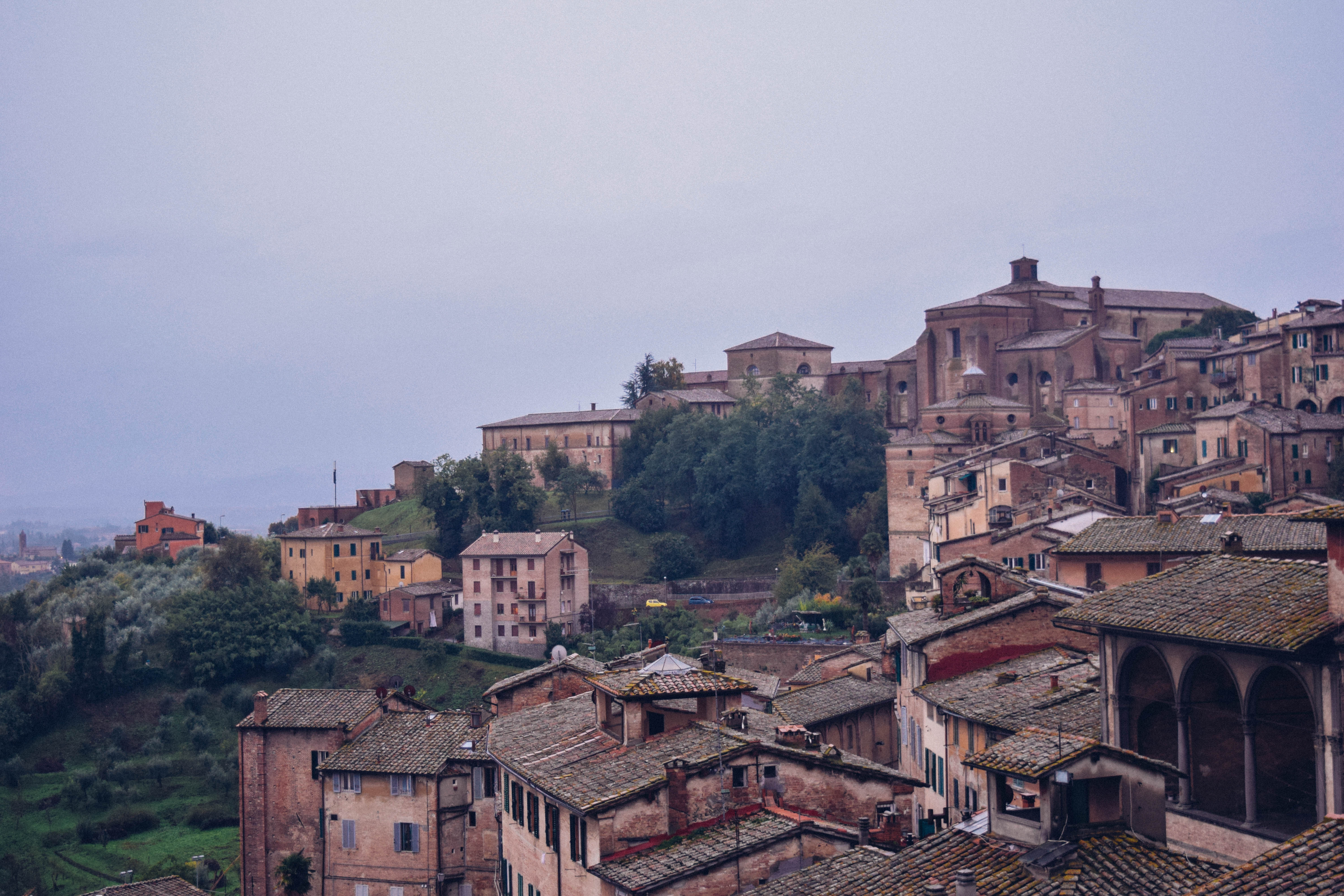
 

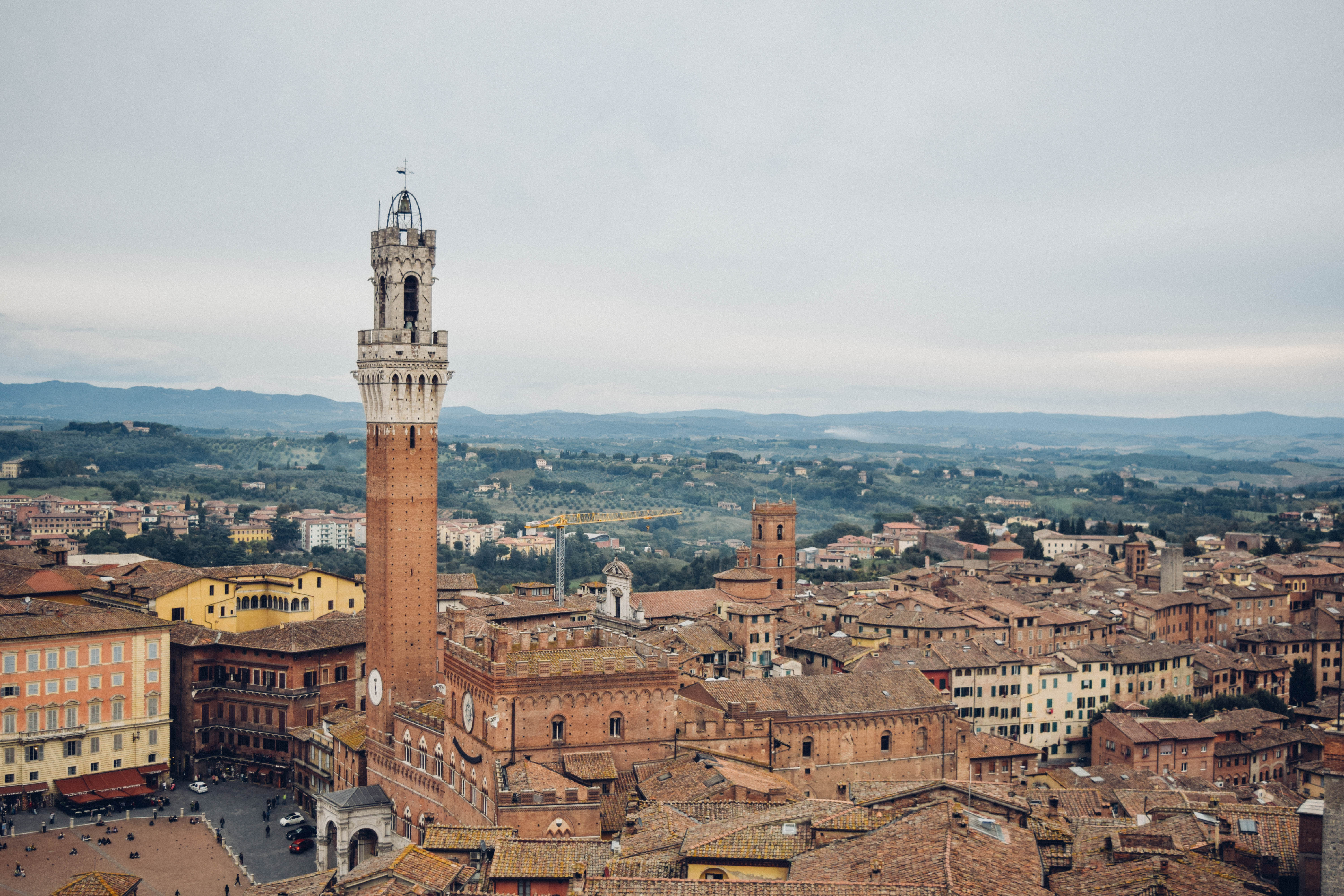
City of Siena

City of Siena


Siena view

Siena view


Typical door in Siena

Typical door in Siena


Siena is not one of the grand cities of Italy. It doesn’t have the history of Rome, the charm of Florence, the energy of Milan. It doesn’t even have the tourist crowd as you would imagine, probably because of the rainy weather. But greatness is often defined by one’s personal response to a certain place. After climbing 500 steps to go on top of the Museum of Opera, I was on an emotional state looking down at this incredible panorama. Ancient, a little messy, medieval-style, tranquil, Siena defines the essence of a typical Tuscan town.


Montalcino

Montalcino


Tuscany in the rain

Tuscany in the rain


Speaking of Tuscany, it is impossible not to mention its gastronomic richness and fine vineyards. Being the little gem of Chianti region, Montalcino produces Tuscany’s best Brunello and, arguably, Italy’s most distinguished wine. Up in the hills, Montalcino is tucked away by vast greenness and wavy mountains. The fogginess, tranquility, and elegance of Montalcino exemplifies the renowned Tuscan landscape.


Dine with style

Dine with style


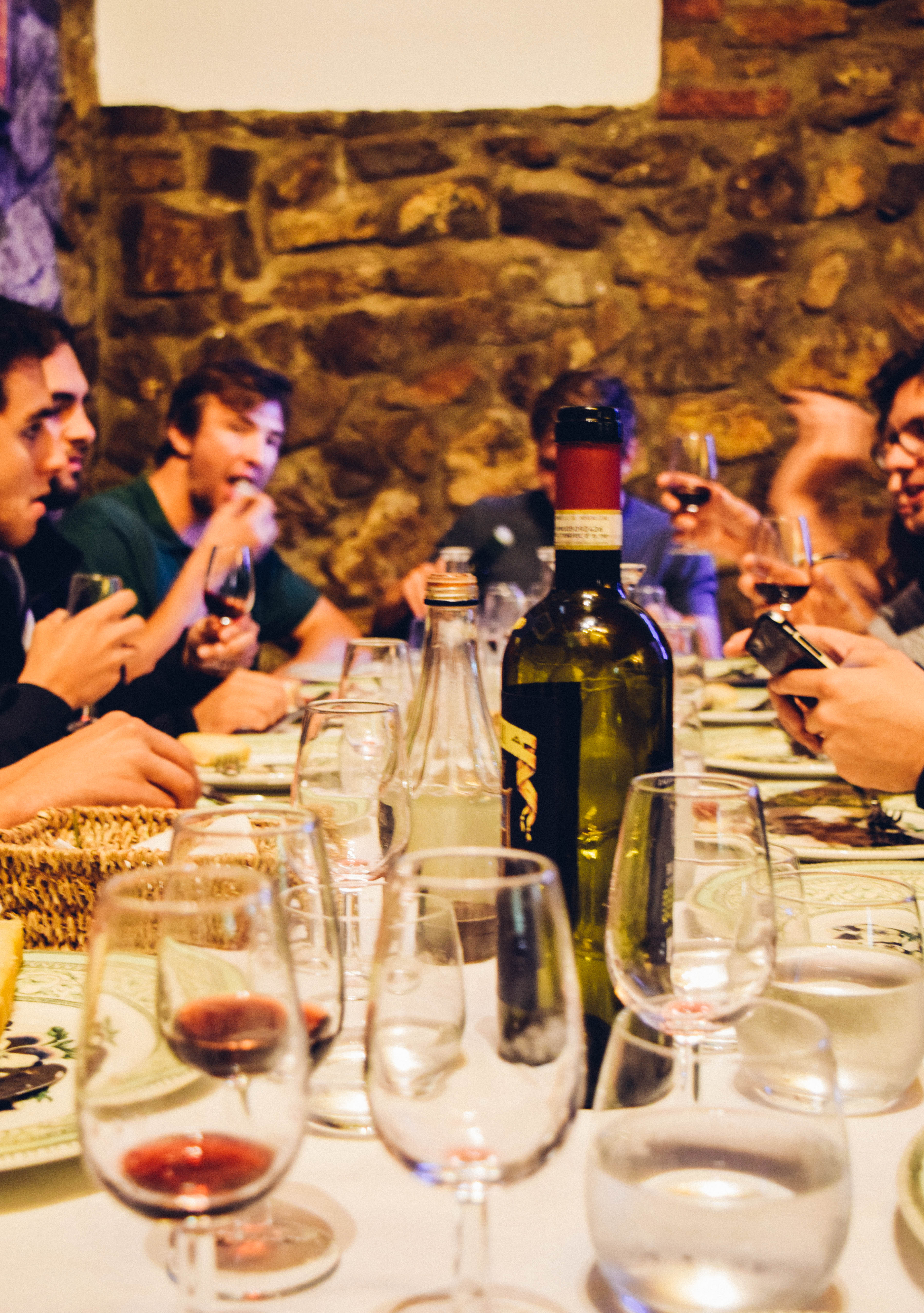
After a brief tour of a family-runned vineyard, we had lunch at their farm-to-table style restaurant. A plate of homemade tagliatelle with ground pepper, butter, and Parmesan cheese, paired with locally produced Brunello, constitutes the menu of the day. Simple, fine, irresistibly delicious, this homemade meal defines the Tuscan cooking philosophy.


Pisa Tower

Pisa Tower


Now, after two days of immersing in tranquil Tuscan landscape, it’s time to head to Pisa. As touristic as Pisa has always been, the city undoubtedly offers some of the most incredible architectural wonders of the world, including the Pisa tower and much more.