Diana in Copenhagen: Eating in Denmark

September 18, 2014

Greetings Travelogue-ers! Sorry it’s been so long since my last update. Classes are finally fully underway and it feels like I’m finally starting to get the hang of everything. I’ve also spent a lot of time planning trips around Europe, which has been really exciting (and expensive…) for me so far!

I was thinking of what to write about this time, and settled on the thing that has surprised me most about Copenhagen so far. Coincidentally, the topic is also one of my favorite things on the planet…food.

I have come to learn that Denmark is not a place you should visit for the food. It doesn’t boast world-renowned pasta like the Italy or delicious tapas like Spain. While Denmark is home to Noma, the restaurant frequently voted the best in the world, I have found that the average visitor or resident here is deprived of food that you would describe as traditionally Danish. I am sure this is due in part to how expensive the city is, as only very wealthy families go out to eat and those restaurants might be where most Scandinavian cuisine is hiding. Alas, this has meant that I have been cooking for myself quite frequently and getting takeout sometimes as well.

After already completing two years at Richmond, I have to say I was surprised I yet to feel the quintessential pressure to survive on Easy Mac and Ramen Noodles that so many associate with their college years. Perhaps it’s because I’ve always lived a convenient distance from D-Hall that I’ve always found myself eating fairly diverse and well-balanced meals in my time as a university student. Or maybe it’s because of my fondness for Lou’s salads, it’s hard to say. One thing that is clear though is that that trend has not followed me across the pond to Denmark nor have I had much chance to try much Danish food.

Instead of the streets of Copenhagen being lined with Danish food trucks or eateries serving up traditional dishes, they’re saturated with pizza places. They also have tons of shops selling to-go food like Thai, shawarma (an Armenian equivalent of a gyro), and burgers. I’ve also found myself cooking a lot in my time here, which so far has left little to the imagination. My small kitchenette hasn’t seen much variety thus far as I’ve found myself eating an astounding amount of pasta and grilled cheese. Pizza, pasta, grilled cheese, burgers…

I came to Denmark and am finally eating like a college student.

A photo of my kitchenette and one of my grilled cheese masterpieces

A photo of my kitchenette and one of my grilled cheese masterpieces

This being said, I have tried to actively seek out Danish meals to help broaden my understanding of the culture here. My first experience was when my CBS buddy invited me to his apartment to cook some authentic Danish food. We started out by walking downstairs from his apartment to the grocery store, and I mean “downstairs” very literally. The closest supermarket was just steps from the door of his apartment. That’s another thing about Copenhagen—there are grocery stores everywhere. While each is much smaller than the ones we have in the States, they are much more abundant here in Denmark. I can’t say which I prefer yet to be honest, but it is remarkably convenient to have four stores within seven minutes walking from my dorm.

We picked up some potatoes, flour, beets, and butter at the grocery store and then set on making stegt flæsk med persillesovs, which directly translates as “roast pork with parsley sauce.”

Even though my buddy Kristoffer and his apartment-mates wouldn’t let me help, I sat back and took mental notes on how they were preparing the food should I ever want to be adventurous and give it a go myself. They started by boiling the potatoes, which I am fully confident in my ability to do, and making the parsley sauce (basically a gravy). The sauce itself probably made me gain ten pounds as it was comprised exclusively of some parsley and lots of butter, flour, and milk. Parts of each were added in increments while constantly stirring the mixture at a light boil. The parsley was added at the end, which not only added flavor but also made the sauce speckled green in a pretty way.

The meat out of the oven and ready to be flipped

The meat out of the oven and ready to be flipped

Then came the meat to prepare, and I learned I was foolish to think the gravy was to be the thing to make my pants tighter. The meat was described to me as more thickly cut bacon (imagine my excitement), and they cooked it in the oven on moderate heat and flipped it to brown both sides. They made sure to cook some pieces more thoroughly than others since people have different preferences on how well-done they like the slices. I think I preferred the crispier pieces but I’m not opposed to giving the others a second audition.

We sat down to eat, drowned the meat and potatoes in gravy and served it with a side of beets, a food that I’ve always surprised myself by loving. It was a great meal and I thank those guys not only for welcoming me into their apartment but also for sharing some of their culture with me. Frederik, one of Kristoffer’s apartment-mates, also gave me some insight on my aforementioned observation of the lack of traditional Danish food.

The final product! One of the most traditional Danish dishes called stegt flæsk med persillesovs.

The final product! One of the most traditional Danish dishes called stegt flæsk med persillesovs.

It was clear the meal before us was hearty and, while delicious, full of fat. He explained that dishes like these were what Danes typically ate back when Denmark was an agricultural country and the farmers needed a hefty supply of fuel to work in the fields all day. Since the country has evolved away from this physically strenuous agriculture, the people could no longer consume the same food and lead a healthy lifestyle. I found this description fascinating because of how a simple shift in the occupational norm could affect food, something integral to a nation’s culture, with such magnitude. Hopefully I will be successful in tracking down some more Danish dishes, but until then I might venture to cook some more elaborate things myself.

I make no promises.


Diana in Germany Week Two: “The Skinny” on Freiburg

September 18, 2014

Every week of study abroad is like a month in “normal” time. I am experiencing so much and hopefully I can summarize all of it for you without it being really long!

The City of Freiburg
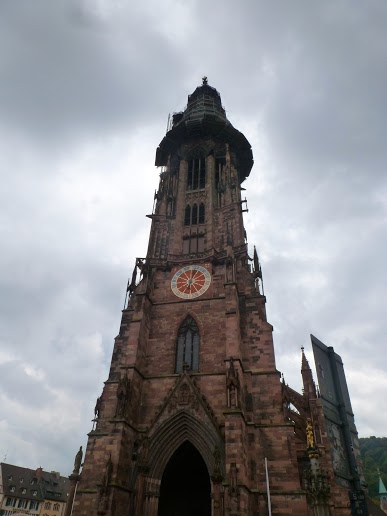
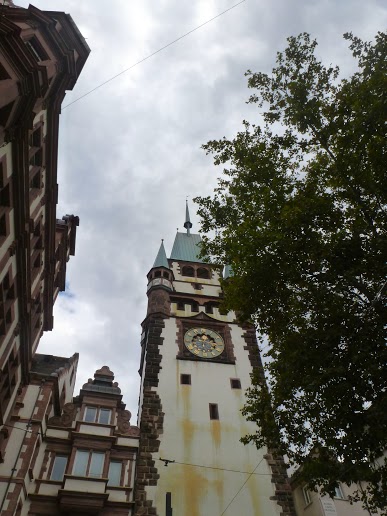
Probably the most notable landmark in Freiburg is the Münster cathedral. It is a 12th century church with amazing organs (I went to a concert there last week). There is a farmers market in front of it almost every day. There are also shops and restaurants on the square. Two other notable structures are the city gates. I see the one called Martin’s Gate every single day when I get off of my tram stop for school in the morning. The University of Freiburg itself was founded back in 1457 and is one of the oldest universities in Germany. It has buildings scattered throughout the city and many have their own history.

Münster Cathedral

Münster Cathedral

Martin’s Gate

Martin’s Gate

There are little stone paths for water, called Bächle, that crisscross through the streets of Freiburg. They are the old source of water for the town. If you accidentally step into one of these then the legend is that you will marry a Freiburger. This reminds me of the tales of kissing on the gazebo at University of Richmond – if you do not marry the person you kissed, you must walk backwards around Westhampton Lake.

Bächle - watch your step!

Bächle – watch your step!

The ways that I access the city are through tram, bike, and by foot. The tram station is only a 3 minute walk from my flat. It takes 10 minutes by tram to get to the Holzmarkt stop, which is a 1 minute walk from my German classroom and a 2-3 minute walk from the IES Abroad office. For longer travel here, there is a large area for trains and buses that meet up by the “Hauptbahnhof” or Central Station. It is amazing how few people drive cars on a day to day basis. I love this custom so much I am beginning to consider only settling down in an area where it will be possible for me to walk, bike, or take public transportation easily. Biking is barely possible on the University of Richmond campus due to the amount of stairs and steep hills that cut off bike paths.

Food/Drink
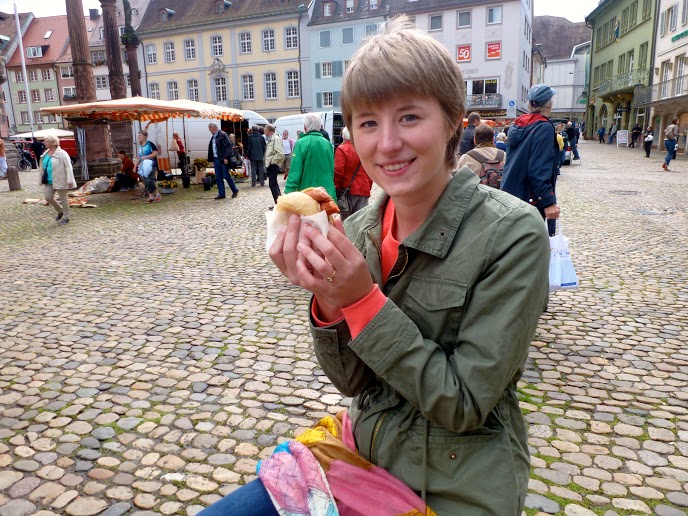
So far I tried many different foods typical in Germany. At Münster market I have eaten bockwurst and bratwurst. Yes, they are different! A bockwurst is basically a hot dog (a LONG hotdog) and the bratwurst is a fried sausage. Both are put into a baguette and you can add beer mustard and curry ketchup, two delicious condiments. One night I ate a a fancier restaurant on the Münster square and got local fish. I tried a piece of someone else’s schnitzel, but still need to go order my own. I will tell you how that goes in my next post for sure! For Heather’s birthday we made a traditional Black Forest cake. It was SO delicious that I ate four pieces. No shame.

This fish looks as fresh as it tasted. The accompanying butter sauce was sehr gut.

This fish looks as fresh as it tasted. The accompanying butter sauce was sehr gut.

On weekdays I tend to eat lunch at Mensa, the student dining hall. It is about 3 Euro for a meal and the portions are so huge that I bring a Tupperware container with me. This saves me a lot of money so I do not feel as bad when I splurge once or twice a week on a meal. I go there with friends Sarah and Dave from my language class and Anne from IES right now. For meals at home, I shop at a store called Rewe. There’s amazing pasta, sauces, fresh baked goods, fruit and vegetables.

I’ve tried a few different beers: Pilsner, Radler (lemonade + beer = yes), and Kristallweizen. Alcohol is plentiful and not as expensive as in the states. The main non-alcoholic drinks here are sparkling water and Apfelsoft or sparkling apple juice. I carry around my own still water from the tap at all times to keep hydrated, though a person may not drink from their water bottle inside a restaurant. You have to pay quite a bit of your own still table water, so my advice is to drink water before and after walking into a restaurant, that’s my advice.

Bockwurst Delight in Münster Square

Bockwurst Delight in Münster Square

Academics
The overall system of education as part of the IES Environmental Studies Program is that we take 5 classes. We only take 1 class at a time for three weeks each. My classes for the semester are as follows:

1) Intensive Elementary German
2) Ecology and Management of Forest Landscapes in Southwest Germany and the Swiss Alps (counts as an Environmental Elective)
3) Environmental Ethics (fulfills this Environmental Studies major requirement)
4) Sustainable Policy (fulfills another Environmental Elective)
5) Freiburg Green City (fulfills the Environmental Economics major requirement)

This past week in German class, we learned how to order food and discuss families and furniture. This video shows me performing the role of Verkäuferin (seller) and Quinn playing the role of Käufer (buyer).

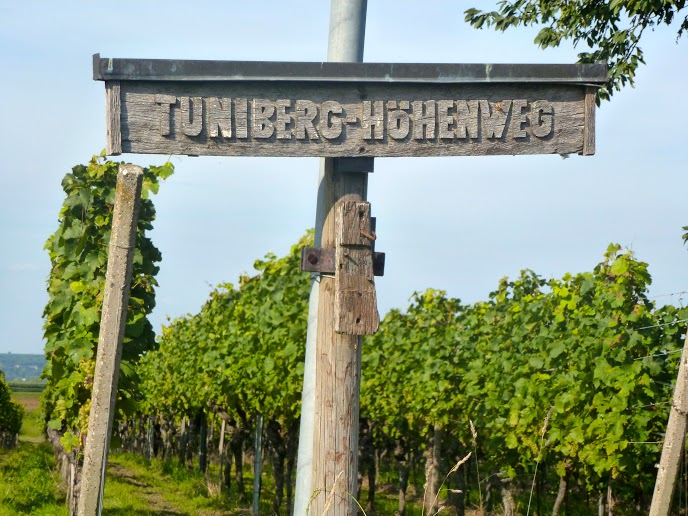
There is an added social aspects outside of the classroom because the Language Institute puts on different programs such as day tips to Switzerland and France, local hiking trips, and other activities. So far I participated in a bar hopping experience and went on a vineyard tour in Tuniberg. This coming week I will be swimming at the University pool, going bowling, going to Titisee, and going on a 10km hike!

A Vineyard in Tuniberg

A Vineyard in Tuniberg

A Most Welcoming Meal: The owners of the vineyard brought us to their house and cooked for us.

A Most Welcoming Meal: The owners of the vineyard brought us to their house and cooked for us.

Next Week
I will update you about how all the social events went and the analysis of stereotypes that I left out this week (I had so much to write about)! There may be other topics I explore as well. Tschüs!


Jack in Czech Republic: Netherlands vs. Czech Republic

September 18, 2014

As I mentioned in my last post, I am a passionate sports fan. I knew I would see at least one soccer game football match while in Europe, but I did not expect to see the greatest sporting event I have witnessed in person on my second night.

A quick description of who was playing and why: qualifying for Euro 2016, which is like a World Cup for European countries, began last week. Teams were placed into six-team groups and will play a home-and-home round-robin schedule that determines who makes it into the tournament. The Netherlands, who lost in the World Cup Final, played at the Czech Republic in both countries’ first match of qualifying. Both countries played close to their best teams, since a good start in qualifying is crucial.

Following an orientation session, four other adventurous soccer football (I’ll get it eventually) fans and I navigated our way to Stadion Letná, despite not having tickets or knowing what to expect. Worst case, we thought, we would see the stadium and find a nearby pub to watch the game.

We ended up getting off the tram a stop early, because we saw some festival-looking event that seemed worth checking out. We made a great decision. This event turned out to be a large public tailgate for the match. Let me tell you, the Czechs know how to tailgate. There was a huge screen playing highlights of former Czech matches, lots of games, and, of course, excellent pivo (beer).

These tents surrounded the games and the viewing area

These tents surrounded the games and the viewing area

As kickoff neared, we walked a couple blocks to the stadium, so we could get a greater idea of what the atmosphere would be like. Let’s just say the rundown Stadion Letná would not pass any NFL team’s requirements to serve as a home. But it’s the fans that make a stadium great, and the passion both the Czechs and Dutch had around the stadium was unparalleled to anything I have seen. The closest comparison I can think of is SEC football fans, and that’s still a stretch.

We made some Dutch friends outside the stadium

We made some Dutch friends outside the stadium

One other thing that struck us was the amount of people selling tickets. We never intended on attending this match, but after we did some asking around to gauge prices, collectively, we said let’s do it. And so we did.

Buying tickets can be hard when both sides speak the same language, so buying them with some people who spoke little English was a struggle. But it all worked out. After each of us found a ticket, we regrouped and expressed our shock in what was transpiring. Our tickets were not together so we made a meeting plan and went through the gates minutes before kickoff.

All the hype of the atmosphere that surrounds a European football match is actually not hype at all. It is an accurate description of all the madness –Constant cheering, never-ending singing, clapping for good plays, yelling at the referees– that goes on for 90 minutes. And when the home team scores, all hell breaks lose – especially when the goal is this good (Only watch the first minute).

This singing seen in this video went on constantly. Because I didn’t know what they were saying, I contributed by clapping.


The Czechs clung to a 1-0 lead at the half, but a Dutch goal felt imminent. Four of us regrouped at half, still full of shock, and managed to find some seats near each other for the second half. Sam, who bought the cheapest ticket, couldn’t watch with us because his seat was actually so good that he couldn’t leave his section. Go figure.

Sam’s seat wasn’t terrible.

Sam’s seat wasn’t terrible.

Not surprisingly, the Dutch equalized early into the second half, and looked to be on its way to a come-from-behind win. But the Czechs defense fought off attack after attack, and even created a few chances. If the Czechs continued to hold tight, it looked like they could cling onto the tie, which would have been considered a success.

And then this happened. If you’re too lazy to click on the link, here’s what transpired: In stoppage time, a Czech player fired in a cross, which a Dutch defender tried to head to safety. Instead, he headed it right off the post, and it redirected to the wide-open Pilar who easily tucked the ball in the back of the net. GOOOOOOOOL! The stadium absolutely erupted. Screaming, cheering, high-fiving, hugging, kissing – it all happened. And it happened all the way through the final whistle, which came just moments after Pilar’s game-winning goal. And it carried outside the stadium as well. I truly have never seen anything like it, and I am sure I never will again. And this was my second night.

A video that shows the moments after the winning goal.

Thanks for reading!

Selfie of the week: Because I am an egotistical millennial, here is the selfie of the week:

Two of my three female roommates and I in our new kitchen. That’s right, I am the only male in my flat. More on that to come.

Two of my three female roommates and I in our new kitchen. That’s right, I am the only male in my flat. More on that to come.


Oliver in Spain: Transitioning and Sight Seeing

September 15, 2014

I cannot believe that I have already been in Valencia for a full week. This semester is going to fly by. I’ve already attended all four of the classes that I am signed up for, so I know what I am in for academically. My classes are as follows: Literatura y cine, Cultura y civilización, Islamic Iberia, and La historia del siglo 20 en España. All of those are pretty simple translations so I’m sure you guys can figure it out! My program, UVA in Valencia, has its own building off a main street, Gran Vía de Blasco Ibañez, which is right next to the campus of the University of Valencia. It’s about an hour walk from where I’m living so I normally take the bus or the metro.

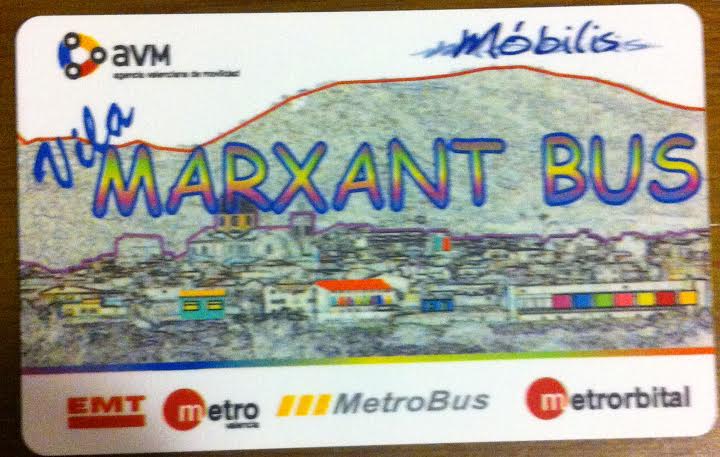
Traveling in Valencia as a pedestrian is so convenient. Between the metro, the bus, and the bicycle system, you can get anywhere you want to go relatively quickly. I picked up a Móbilis card a few days ago which opens up all of these services for about 9€ per 10 trips. Yesterday, I registered for the bicycle system known as “Valenbisi.” There are these bicycle stations all across the city, and once you register for about 27€, you can pick one up and have 30 minutes before putting it back at a different station and picking up a new one. It is a great system that could only work in relatively small cities like Valencia. Needless to say, I will be able to get my way around this city with ease. Also, since it’s such a small city, I am already pretty familiar with the main spots.

Picture of Móbilis card

A picture of my Móbilis card

Now for my host family! I am one of the only students at the UVA in Valencia program that has a father as well as a mother. Interestingly, most students only have a host mother. I’m sure I will learn more about this in my culture class. I also have three siblings: María (oldest sister), Guille (21 year old brother), and Mark (10 year old little brother). The whole family has been very inviting, but to be honest, the language barrier can be very tough at times. I have no doubt in my mind that I will be conversationally fluent after these four months because there is no English spoken at home or at school.

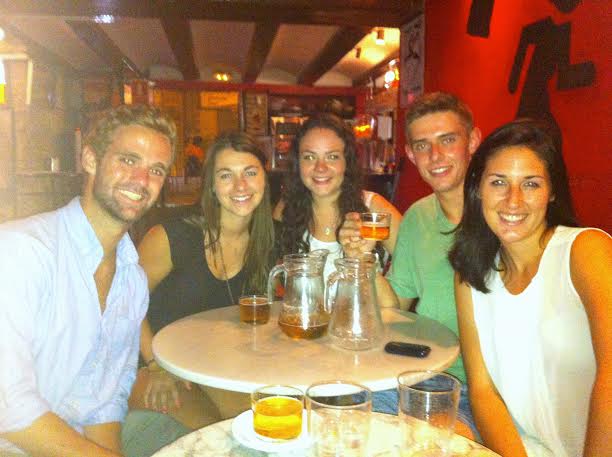
Last weekend I went out with my friends on Thursday, Friday, and Saturday. Thursday we went to a bar near our respective houses and quickly befriended the bartender who found out we were Americans all too quickly. From there we went to a place known as el Barrio de Carmen. It’s a small neighborhood with three clubs that get big around 2 am. Friday we took it easy and posted up in a different bar for a few hours before calling an early night, jetlag was still nagging us. Saturday was easily the biggest night of the weekend. My 8 friends and I went to this huge outdoor club known as L’umbracle. It is a massice discoteca in Valencia near the aquarium. That night we didn’t leave until about 5 am. These Spaniards have an absurd stamina…

The core group of my friends enjoying some Cruzcampo

The core group of my friends enjoying a night out

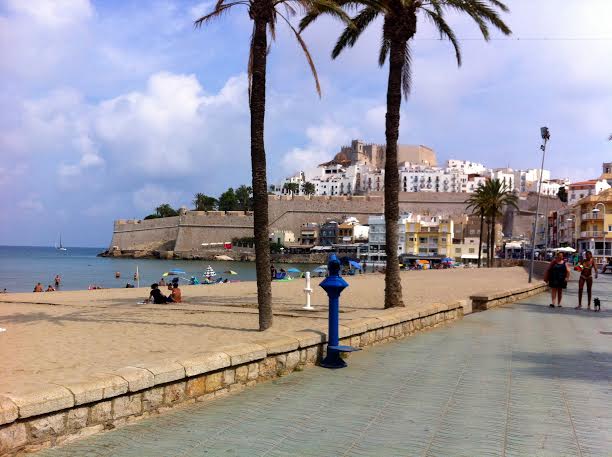
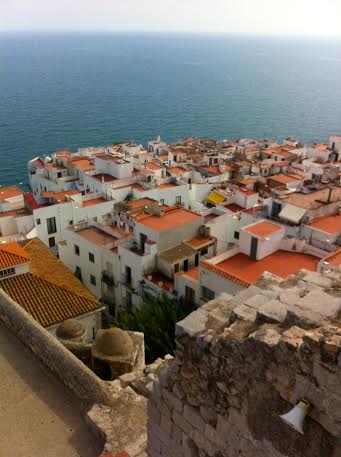
During the day on Saturday, my whole program took a trip to Peñíscola which is a small city north of Valencia. It is called Peñíscola because there is a 800 year old castle on a peninsula next to the main city. We spent the day here on the beach and in the warm, clear water. Then we went into the castle and toured the massive building.

A beautiful view of the castle on Penñiscola

A beautiful view of the castle on Peñiscola

It turns out that selfies are as big here as they are in the States!

It turns out that selfies are as big here as they are in the States!

This is the village within the castle walls

This is the village within the castle walls

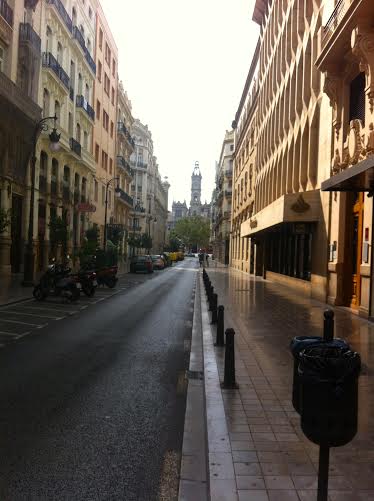
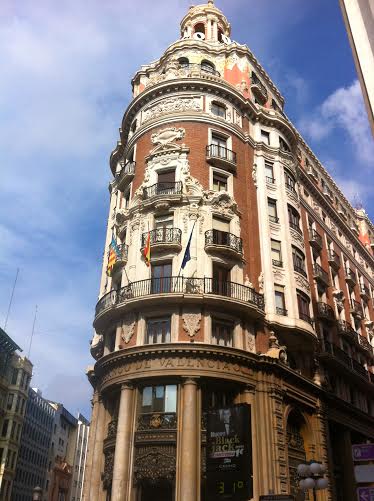
We had the day off on Sunday, so we got a big group of about 15 of us together, and did a short walking tour of Valencia that focused on the cathedral. The images of the buildings are magnificent so I will leave a couple here:

A typical narrow street in Valencia

A typical narrow street in Valencia

We were pretty sure this was Gringotts Bank

We were pretty sure this was Gringotts Bank

A great shot of the entrance to the Peninsula

A great shot of the entrance to the peninsula

Detailed entrance to the main worship area of the cathedral

Detailed entrance to the main worship area of the cathedral

The back of the cathedral attached to the the Palace of the Archbishop

The back of the cathedral attached to the the Palace of the Archbishop

I wasn’t exactly sure how to format this entry because so much has happened so if it seems all over the place, that’s my bad. Point of the entry though…I’m having a blast!!!


Jack in Czech Republic: Pre-Flight Angst

September 11, 2014
Hello readers!
So let me give you a quick 411 about myself. I am Jack and I am a passionate sports fan from Worcester, Massachusetts. I am double majoring in Leadership Studies and Journalism. Oh yeah, and I am studying in Prague this semester.

So in less than 24 hours I will board a flight in Boston that marks the beginning of my coming semester in Prague. Ever since I learned I would be attending Charles University, I have been waiting to type that sentence. Yet, it still does not feel real to me, partially because I am not (yet) nervous about living in a foreign city where I do not know anyone well. I expected to be filled with anxiety the night before I leave, but for the most part, it has yet to come. My best hypothesis for my lack of angst: there are many other things that I am maybe illogically concerned about. Here are a few:

Cooking: Let me tell you, I make a mean peanut butter and jelly sandwich. That’s not all; my milk-to-cereal ratio in a bowl of cereal is inimitable. After these two works of art, however, my cooking skills drastically fall. Ideally, I don’t want to live off PB&Js and cereal for months, so I’m going to have to figure out other ways to feed myself. When I explained my cooking deficiencies to my mother a week ago she told me I should have started learning basic cooking techniques at the beginning of the summer. She was probably right. Angst level is high.

Housing: Students in my program live in flats or apartments amongst other Czech citizens, which will be a great way to gain exposure to the city and culture. Currently, I am missing an essential piece of this equation: a flat or apartment. The other students and I will spend the first few days looking for places to live, and our program leaders have assured us we will all find a place to live. I’m sure they know what they are talking about, but, like, what if? More angst.

Maps: My sense of direction is so bad that people will ask me if I’m serious when I request directions to a place I’ve been several times. In the States, however, I use my 4G network-run GPS whenever I have any doubts of where I’m going. In Europe, I will need to (Gasp!) read a map.

Not being nervous: Despite the aforementioned concerns, I am generally confident going into this experience. Shouldn’t I be scared? I am not a daredevil nor am I a veteran traveler. Here’s my best guess why I’m surprisingly self-confident: the amount of encouragement I have received from people who have visited Prague assures me that I will absolutely love the city. This encouragement has suppressed my worries, and now all I want to do is step on my plane.

Thanks for reading!

Selfie of the week: Because I am an egotistical millennial, here is the selfie of the week

One of the hardest parts about leaving has been saying goodbye to my dog, Louie. Oh yea, and my parents and sister, too

One of the hardest parts about leaving has been saying goodbye to my dog, Louie. Oh yea, and my parents and sister, too


Diana in Germany Week One: Travel Nightmares, but Living the Dream

September 11, 2014

Arrival
So you know how people ask if you want the good or bad news first? We’re starting with the only thing that could be described as “bad” because it came first. Traveling was extremely stressful and full of sleep deprivation. I went a full 25 hours without sleeping and I have never done anything close to that in my life.

The goodbyes were somewhat easy (I didn’t cry! I totally thought I would). Thankfully I traveled with Heather, a girl from my living-learning community “Earth Lodge” from sophomore year. Heather and I both ordered white wine with our dinners on the plane, which marked the first legal drink of our trip. After this, things went downhill for me. I thought I would get 5 hours of sleep or so on the 8 hour flight, however several people kept their lights on or were watching movies the entire time. Regret filled me as I realized I had left my eye mask at home and there was no way I’d be sleeping before I made it all the way to Freiburg.

The train from Frankfurt to Freiburg was the worst part of the journey. Heather and I got in on the completely wrong end of the train and were 9 cars down from where we should have been. A bunch of Germans laughed at us for even trying. Heather helped keep things in perspective for me and we eventually made it to the right seats. Soon we got off, caught a taxi, and visited the IES Freiburg Center to get instructions. 24 hours after I woke up for my flight to Germany, I was finally in my dorm room. I quickly set it up and took a nice long nap before IES took us out for dinner.


Housing
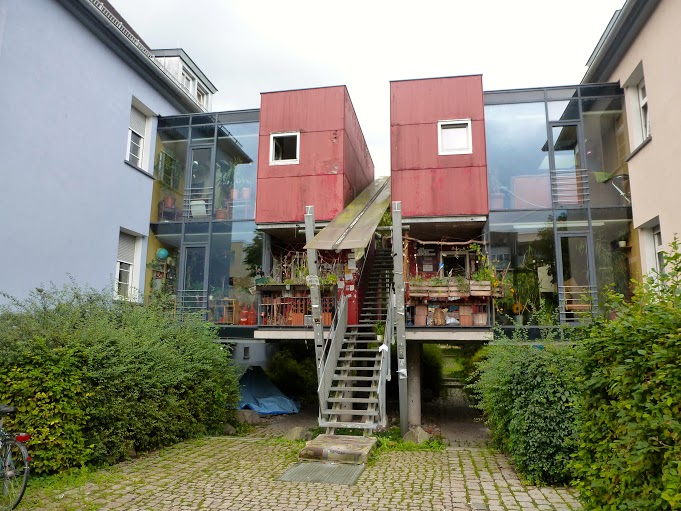
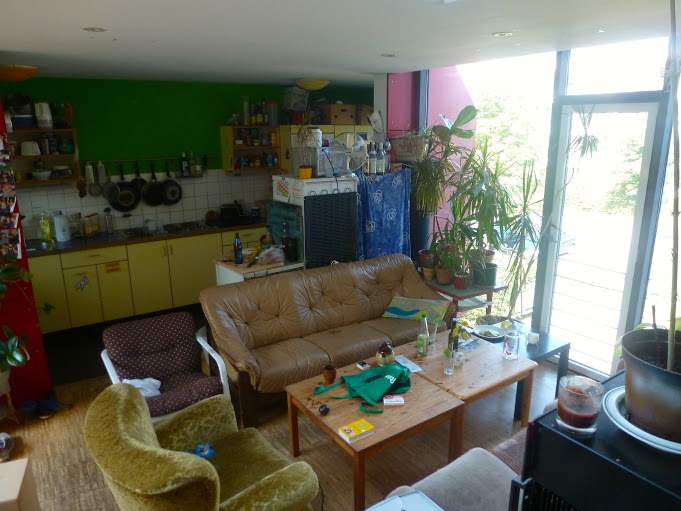
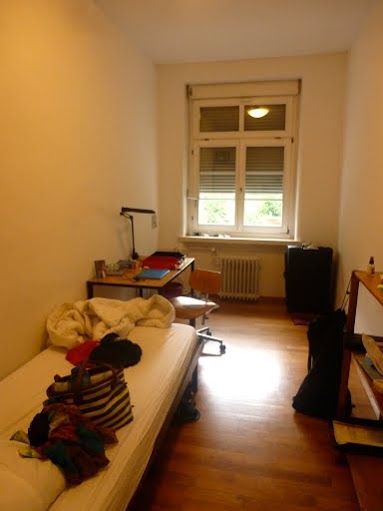
My dorm is, in my opinion, the best possible dorm in terms of its “cool factor” and its “awesome flatmate factor.” Plants everywhere, huge shared kitchen, large lounge couches, party space with awesome speakers, very hippie vibe. My dorm room is plain, but who cares when the shared space is so spectacular?! Here are some pictures to really help you visualize this:

The outside of my hippie dorm

The outside of my hippie dorm

Kitchen and living room

Our kitchen and living room

My plain dorm room

My plain dorm room

In terms of my flatmates, they immediately started inviting me out to things. Most of them are German, but they all speak English. They are Conny, Tobi, Sarah, Felix, Theresa, and Lovisa (who actually just left for a month for Algeria and lent me her bike in the meantime!!!). We also have a French guy named Simon who is here for 2 weeks. There is a lot of turnover in the household, especially in October when the “real” semester starts at Uni Freiburg. Apparently, other people in the IES program are not in contact with their flatmates much at all. I do not know a single other one who has a social life with their flatmates, so I consider myself EXTREMELY lucky to have them in my life as friends.

We’ve hiked up mountains, picked fruit, biked, swam in the Flückigersee lake, played games, shared dinner/wine, gone clubbing, and had a trilingual jam session together. In addition one of our neighbors, Judith comes over here a lot. She was the first person to do “cheers” with me, but here in Germany you say “Prost!” She also was the first to “invite” me to join her for ice cream, which here means she invited to pay for me! Thank you, Judith!

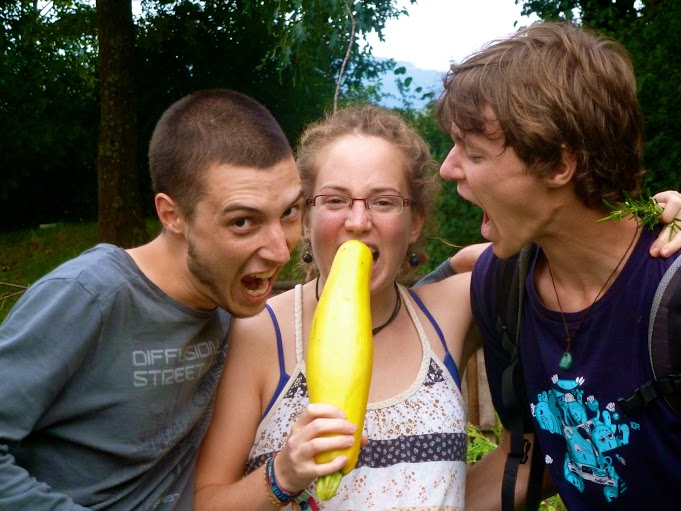
Flatmates Simon, Youdid, and Felix with zucchini

Flatmates Simon, Judith, and Felix with zucchini


Swimming at Lake Flückingersee

Swimming at Lake Flückingersee

Orientation
IES had small orientation sessions on Monday and Tuesday to give us basic information about the surrounding area, such as where the best places to eat are, where to seek medical attention, where to buy things, and how to stay safe while doing it. Freiburg is relatively safe, but according to one of the IES employees, there has been a rise in thefts recently. We also were asked to attend a presentation on Thursday in order to learn more about getting involved in clubs or volunteering. There is also a Tandem Partner program that allows a German speaker and English speaker to informally practice conversing in the opposite language. I’m considering horseback riding, a cappella, dance, badminton, and am 100% sure that I will be volunteering at some point.

IES so far has mainly functioned as a “home base” in case we need them. I believe that some of my environmental classes later in the semester will be there though. Speaking of which….


Academics
German class started on Wednesday. My teacher is Andrea Snuggs (yes, her last name is awesome). She is very sweet, always open to questions, and creates an extremely interactive environment in the classroom. It is crazy, but I can already ask a lot of basic questions or ask how to say things in German without using any English in the process! German class and listening to my flatmates is obviously working. Monday marks our fourth day of class and we are already having a quiz on verb conjugations!

Basic German verbs and their conjugations

Basic German verbs and their conjugations


Next week
I will cover more about academics, such as the city of Freiburg and its surrounding, food and drink, stereotypes, and updates about travel and fun I am having. Tschüss!


Garrett in Bonaire – Mi prome siman! (My first week!)

September 8, 2014

Bon dia!

I have been on island a week now and I cannot begin to tell you how amazing this semester is going to be.

All checked in and ready to go on a 5AM flight to Bonaire!

All checked in and ready to go on a 5AM flight to Bonaire!

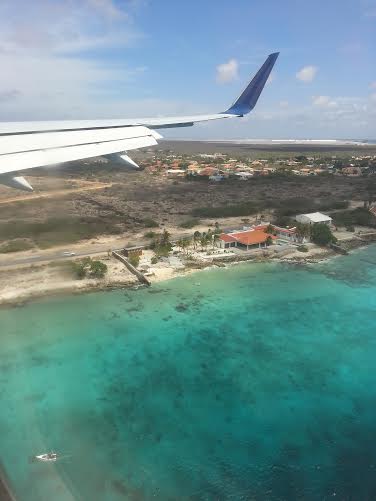
As I said my goodbyes at the Philly airport at 5:00AM last Saturday, I was beaming with excitement. Time seemed to drag on as I sat in the airport waiting for my flight, but once we were in the air it wasn’t long before I was blissfully greeted by the teal blue waters of Bonaire just outside the plane window.

The brilliant waters of Bonaire greet me as we begin to descend!

The brilliant waters of Bonaire greet me as we begin to descend!

Upon arriving at Flamingo Airport at about 2:00PM, two of the CIEE interns, Sasha and Noah, holding a stereotypical clipboard sign, welcomed me and another student, Jack. We then packed our luggage into the research station’s open-backed truck, hopped in, and drove off to our new home. We arrived at the residence hall to find that it was more like a large house; it has a communal full-service kitchen, living area, and study area, with seven 2-4 person rooms. We also were happy to learn that we were the first two students to arrive. There are normally 3 flights to Bonaire on any given day, and we arrived on the first. The remaining 9 students were arriving on later flights that would both get in after dinner. This basically meant, Jack and I had plenty of time to hang out before everyone else arrived. In fact, after unpacking most of our stuff, the interns took us to go swim in the ocean.

The ocean just outside of Yellow Sub will be my classroom for the next 90 days!

The ocean just outside of Yellow Sub will be my classroom for the next 90 days!

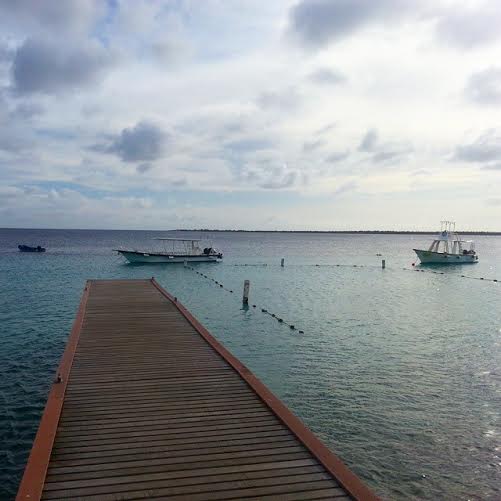
Directions: Walk one block north, make a left, and splash. Time: 30 seconds. After making the hike to the ocean, we all donned our snorkel gear and jumped into the brilliantly blue water. Just off the edge of the pier, the water is 8 feet deep. Here there are many bright colored fish, whose images I vaguely recalled from the flashcards I had made prior to coming to the program and whose computer images barely do them justice. However, if you swim just a hundred yards further, you reach the reef crest where the bottom rapidly slopes into the dark blue. This area is teeming with life! I won’t go in to too much detail here, as I will have plenty of opportunities to explore this amazing habitat that’s practically in my back yard. I mean, think about it; this is my classroom for the next 90 days!

The next day, after everyone had made it here safely the night before, we had a fun day of orientation complete with a trip to the grocery store, a formal tour of Kralendijk, stereotypical icebreakers, another dip in the ocean, and of course talks about the various logistical aspects of the program. And this wonderful day would not have been complete without a CIEE staff and student sunset BBQ overlooking the water.

Students, interns, staff, and professors gather for a BBQ dinner overlooking the setting sun over the ocean!

Students, interns, staff, and professors gather for a BBQ dinner overlooking the setting sun over the ocean!

As the program is only 13 weeks, Monday, even though we had been here less than 48 hours, meant the start of classes. Luckily, our first day of classes consisted of a snorkeling field trip to the other side of the island to a protected shallow bay, which is one of the few seagrass habitats on the island. Not only is Lac Bay known for its seagrass and mangrove habitats, but it is also a perfect place for windsurfing, as it’s protected by the reef from heavy wave action, yet catches the wind all the same. While here, we took advantage of the opportunity to talk to the owner of the windsurfing club, Elvis Martinus. He was the first local to view windsurfing as more than just recreation and instead as a way to get the kids of the island involved in a sport and produce world-class level windsurfing champions. It was amazing to hear the about the culture of windsurfing in Bonaire, straight from the guy who started it all.

Later in the week, after some classes on how to identify various fish, corals, and coral diseases, it was time for our first scuba dives! Coming into the program, I had only acquired a PADI referral. This basically means that I had no prior open water diving experience. So these dives would count towards my four Open Water certification dives. Spread out over two days, we completed four open water dives exploring the reef just off shore and with that I am now a certified Open Water diver!

Congrats to Graham, Allison, and myself for completing our Open Water certification! We are the three newly certified divers!

Congrats to Graham, Allison, and myself for completing our Open Water certification! We are the three newly certified divers!

As you can probably tell, I’m having a blast and cannot wait to further explore the island, the culture, and the reef of Bonaire!


Oliver in Spain: Today’s the Day!

September 2, 2014

It is finally September 2nd! In less than 12 hours I will be boarding my flight at JFK and beginning my adventure. I spent all day yesterday packing so I think I’m ready to go, other than small tasks like shaving my face in preparation for the 4 month beard that I’m shooting for (we’ll see how long that lasts).

There is really nothing like the day of your flight though. My closet is completely empty, my room feels stripped, and there is a nagging feeling of apprehension. I’ve been traveling all my life, thanks to my English parents, but living somewhere new by myself is a different sensation. The excitement is unparalleled. But with that excitement comes a whole lot of nerves. How will I survive with speaking Spanish 24/7? Will I be able to make new friends quickly? Will I lose some friends from UR because I won’t see them for 8 months (including summer)? I have all these questions running through my head and I have been doing well taking it day by day. But now they are all crashing down on me because I don’t have any more days to spare.

But I am ready. It is as simple as that. Even with hundreds of questions swirling through my mind and subconsciously speaking to myself in Spanish while taking a shower, I am mentally prepared for this trip. Everything has fallen into place thus far and I am confident it will continue to do so in the coming weeks with classes and what not. My plane will land in Valencia at 1 and I will then take a bus to the Valencia Soccer Stadium with the program, where I will meet my host family. Step by step, I will get accustomed to living in Valencia. After all, that’s my new home for the next four months.

With this checklist completed, I feel ready to take on my semester abroad!

With this checklist completed, I feel ready to take on my semester abroad!

This semester will be like nothing I have ever experienced. I will be pushed out of my comfort zone and thrown into a situation with almost no one I know. I will miss spending a semester with my friends at Richmond, but who could pass up on going to school in Spain and traveling to new countries every other weekend. This is going to be a crazy ride and I am about ready to buckle up!

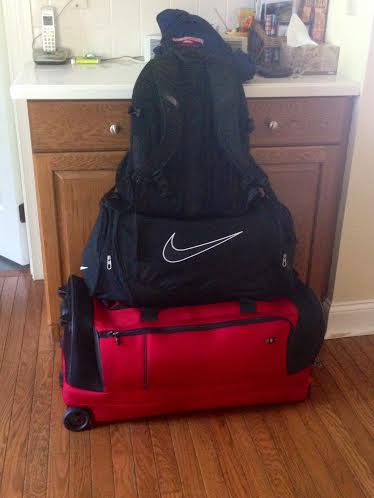
My bags are packed and ready to go

My bags are packed and ready to go

My next post will be from Valencia! I should have a bunch of pictures for that one. Until then, wish me a safe flight!

Cheers,

Oliver


Diana in Copenhagen: Beer Culture

September 2, 2014

To many American students studying abroad there is one cultural difference that is most apparent: the drinking age. Acknowledging that this could be an inappropriate topic or one that someone reading a cultural blog has little interest in hearing about, I’ll tread lightly and keep this as post as sociological as possible. We all know the drinking age in the United States is 21 and over, and that that makes us somewhat of a global minority, since most other countries have drinking ages that are 18 or even younger. This has been interesting to observe from my new perspective at a university where the entire student body is of legal drinking age and how that affects the way students view the use of alcohol.

The Danes love their beer, and I have a few reasons for how I came to this conclusion. I mentioned in an earlier post that I’m attending Copenhagen Business School this semester and they have corporate partners just like any other university. In company with Danske Bank and Deloitte, one of CBS’ seven major partners is none other than the Carlsberg Group, the makers of the most popular beer in Denmark. I’ll get back to them later.
Last week, exchange students were invited to purchase a social program consisting of activities to help us bond and get to know each other. At the meet and mingle night (glorified speed dating) they set up a bar in the classroom building. The social booklet also informed us that we could bring out own beverages to Danish folk dancing night. We had a student organization, the equivalent of Student Activities at Richmond, give a presentation at orientation about the social culture here. As you might have guessed by the progression of this post, the girls’ presentation was oddly centered around where you can drink at CBS, what it means to them culturally, and how at the welcome party we will find their very own university president handing out Carlsberg’s. The welcome party is a whole other story in that they clear out the CBS academic building Solbjerg Plads on Thursdays and transform the place into the largest bar in the city of Copenhagen. Mind you, this is a building many students will return to hours later to partake in their Friday classes.

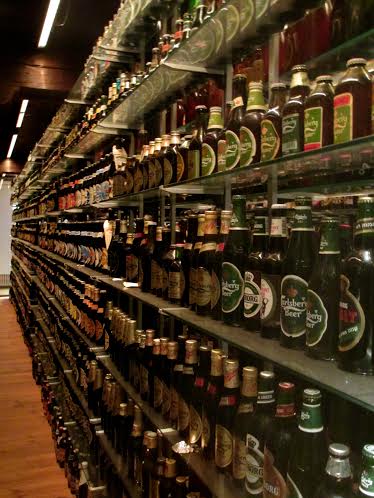
The largest collection of unopened beer bottles in the world

The largest collection of unopened beer bottles in the world

I worry that by writing this post I will seem like another uncultured 20 year-old American student fixated on alcohol consumption, but I truly have found this topic intriguing. It’s a common thought in the US that our issues surrounding drinking (i.e. binge drinking, drinking and driving) come as a direct result of our higher legal age. We laude places in Europe for being way “classier” in their drinking because to young people, it is simply part of their national culture. Since young people drink with their families and have casual drinks with dinner they become immune to the perils we have in the States. Does this sound familiar? I certainly said it, and it’s true to an extent. While I wouldn’t fantasize it as much as I had from afar, it’s true that alcohol here, namely beer, is extremely engrained in Danish culture.

The aforementioned examples should illustrate how important beer is to Danes, but another place I saw this was on a trip I took to the Carlsberg Factory. We took a guided tour around the factory that was used for Carlsberg production up until 2008 and heard the surprisingly dramatic tale of the Jacobsen family that started the empire. They experienced their share of family issues (I would recommend reading the story if you have time), but the men did remarkably well for themselves and created a site full of beautiful, expensive, artistic, and elaborate buildings that exemplify how they perceived their importance as brewers.

One of the gates within the Carlsberg Factory depicting members of the Jacobsen family

One of the gates within the Carlsberg Factory depicting members of the Jacobsen family

Carlsberg is now the fourth largest brewery in the world, outdone only by Heineken, SABMiller, and Anheuser-Busch. Brewing has recently moved from this location and their plans for what to do with the factory demonstrates how beer is such a cultural staple. They are going to make a Carlsberg city.

This factory was used for brewing Carlsberg beer up until 2008

This factory was used for brewing Carlsberg beer up until 2008

Our tour guide promised that if we were to return to the Carlsberg factory in 16 years we would find it filled with apartments, houses, universities, preschools, grocery stores, and anything else you would imagine being in a small city. This news rendered me speechless, but it shows the cultural influence this corporate behemoth has in Denmark. Time will tell if this endeavor will be successful, but the belief in the cause is enough to show that beer here has an importance that far surpasses that which we have in America. Denmark is literally building a city on the foundation of its favorite starchy drink, and that’s certainly a cultural difference from America in my eyes.


Diana in Germany: The Preparation Stage

September 2, 2014

Born and bred “Baltimoron” attempting to double major in biology and environmental studies here! It is my pleasure and privilege to share my thoughts with you as I experience IES Abroad’s Environmental Studies and Sustainability program in Freiburg, Germany.

Originally, I entirely avoided looking at Europe for study abroad and instead set my sights on Trinidad and Tobago. Hands-on exposure to the biodiversity there was the driving force behind the idea. However my mom saw the murder rate is top ten in the world and asked me to consider more options first.

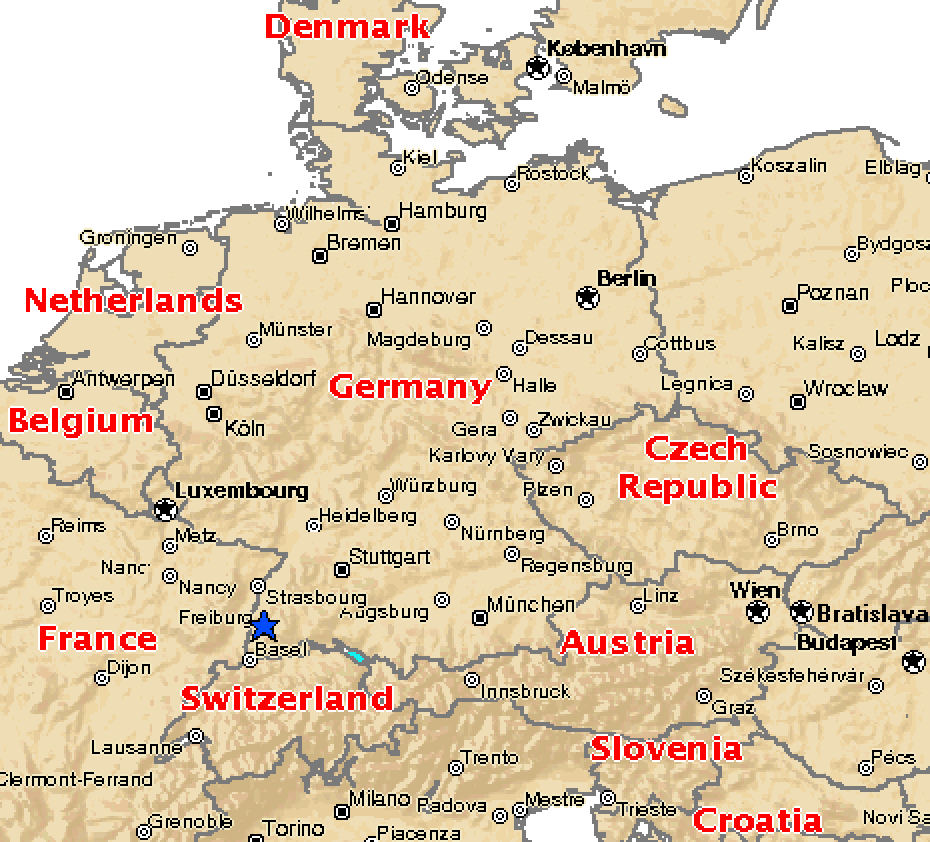
Heading into the Office for International Education at my school, University of Richmond, I was pretty clueless on what to do next. My study abroad advisor, Abby Ward, had the solution up her sleeve: an environmental program in Freiburg, Germany with plenty of hands-on experience. Freiburg is also arguably the most eco-friendly city in an already eco-conscious country. The city is close to both the French and Swiss borders (see map below), so is a prime location for the various field trips to the Black Forest, Swiss Alps, Rhine River and Vosges Mountains. After that conversation there were no doubts that this would be the study abroad experience for me.

Freiburg is located only 32 and 20 miles from the Swiss and French borders respectively Source: http://www.kraftyone.com/GermanyMap.gif

Freiburg is located only 32 and 20 miles from the Swiss and French borders respectively
Source: http://www.kraftyone.com/GermanyMap.gif

Thankfully I have already finished shopping and packing at this point, but now the “waiting” part is driving me insane. To distract myself from the huge transition looming in my future I made a road trip from Baltimore to Philly to New York City and back. In the past week I also went to a 21st birthday party that actually signifies a milestone, a classic rock concert, and an Orioles baseball game.

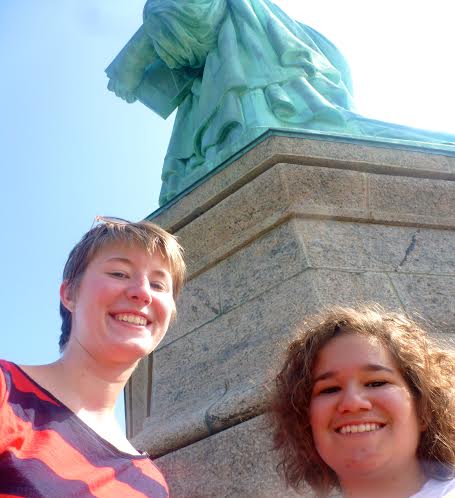
Statue of Liberty with my UR roommate as part of my mini-American tour

Statue of Liberty with my UR roommate as part of my mini-American tour

Baltimore Orioles game with my father

Baltimore Orioles game with my father

Stuffing “home” and “region” into a few weeks was a beautiful distraction, but it’s time to face the truth – the time between now and my flight to Germany is approximately 60 hours. I feel anxious, excited, and sometimes scared out of my mind (For instance, I don’t speak any German yet). Overcoming that fear and feeling of strangeness is going to be extremely rewarding. The next few months will be a roller coaster of emotions and experiences.

Indeed the Student Handbook for the IES program contained an image depicting the 10 stages of psychological states in the study abroad process and it looks quite like a roller coaster track. There are dips, (missing home, not feeling immediately attuned to the new culture), curves (periods of rapidly changing perspective), and peaks (gaining comprehension of German language and culture, greater knowledge of the surrounding area). My one experience with transition (from home in Baltimore to college in Richmond) is nowhere near as extreme as the one I am about to embark on. Understanding these emotional ups and downs might help, but past experiences and this graphic are not the things that have prepared me for this trip. I’m ready because my spirit is open for the new people, places, and perspectives waiting for me just around the corner.

Study Abroad Emotional Roller Coaster

Study Abroad Emotional Roller Coaster

Tune in next week to hear about my travel and orientation experience!