Tony in Switzerland: Mountain Views and Olympic Dudes

February 9, 2016

Hey everyone! I’m reaching the end of my first week here in Lausanne. Between my intensive French pre-semester class and paperwork, I’ve been pretty busy all week long, but I couldn’t have imagined a better host city. Before coming to Switzerland, I received advice from different people concerning studying abroad: how to be safe, how to have fun, and what to look out for. When the advice concerned Switzerland, I started getting this idea of entering a homogenous area that doesn’t particularly cater to international visitors. I have spent about a week exploring the city now, and with each day, I find so much of an international emphasis and a city whose university attracts innumerable exchange students.


Everywhere I go, I can always see the mountains behind buildings. It's a beautiful combination of the natural landscape and the modern cityscape.

Everywhere I go, I can always see the mountains behind buildings. It’s a beautiful combination of the natural landscape and the modern cityscape.


I found this graffiti at the train stop in front of UNIL. It translates (roughly) to "Let us not be sheep." Coincidentally, I found the message the same day I was assigned to explore an original research topic that ties in with the city of Lausanne.

I found this graffiti at the train stop in front of UNIL. It translates (roughly) to “Let us not be sheep.” Coincidentally, I found the message the same day I was assigned to explore an original research topic that ties in with the city of Lausanne.


 The Cathedral of Lausanne is absolutely breathtaking. It may not be featured in the art history textbooks I've used in the past, but its interior rivals that of any parallel architecture in Europe.

The Cathedral of Lausanne is absolutely breathtaking. It may not be featured in the art history textbooks I’ve used in the past, but its interior rivals that of any parallel architecture in Europe.


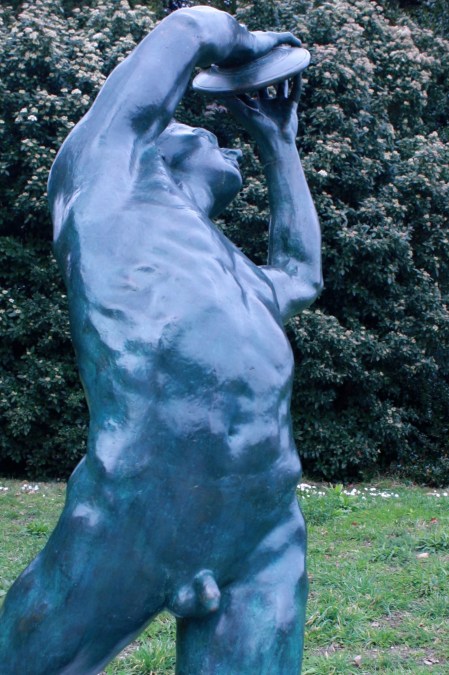
In my travels throughout the city, I have encountered the Olympic Museum. Lausanne will host the winter Olympics in 2020, and in anticipation of the event, the museum displays replicas of well known statues from their Classical origins.

In my travels throughout the city, I have encountered the Olympic Museum. Lausanne will host the winter Olympics in 2020, and in anticipation of the event, the museum displays replicas of well known statues from their Classical origins.


The museum also showcases modern representations of the Olympics and offers fun facts about Rio de Janeiro all around the grounds.

The museum also showcases modern representations of the Olympics and offers fun facts about Rio de Janeiro all around the grounds.


Emily in Samoa: Exploring Oahu

February 4, 2016

Our orientation has just started, and the members of the group (only 13 students strong) are getting to know each other, as we begin to count and ask questions in Samoan. The only caveat to this is that we are not yet in Samoa–we are just outside of Honolulu, Hawaii.


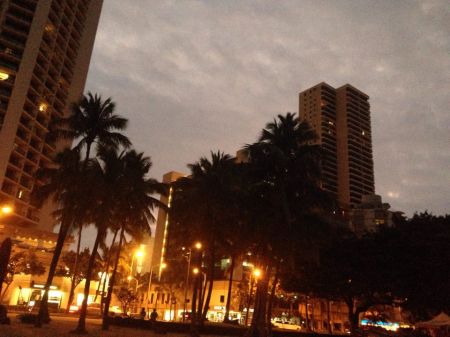
Waikiki before sunrise...and people

Waikiki before sunrise…and people


I arrived a week ago, in order to better acquaint myself with the island. Oahu is much bigger than I thought, and larger than a map makes it look: it is at least 40 miles across, which by bus or car on small roads can take a long time to cross. Many tourists who have visited the island lump it with its capital city and class it as unpleasant and crowded. Having little tolerance for the hordes of tourists at Waikiki, Honolulu’s famous beach, I quickly learned to center each morning on escaping Honolulu as fast as possible.


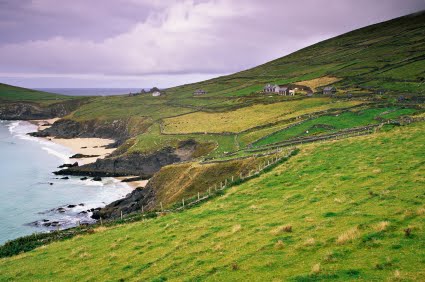
The view from makapu'u

The view from makapu’u


Once there are not hundreds of people on every new street corner, Oahu is beautiful. The hostel for the program is in a peaceful area near the University of Hawaii campus, and looks out to Diamond Head one way and the central mountains to another. It is hard even to see these mountains from downtown Honolulu, as highrises block every view but their own.

Epiphany #1 was that there was a whole world outside of Honolulu. Epiphany #2, and tantamount to #1, was that I did not need to take a $100 tour to see what I wanted to see. There are many gullible (and wealthy) people staying at resorts in Honolulu willing to pay any price to have a pleasant vacation. As I am not one of these people, I found a more accessible way to see the island: TheBus. Oahu’s bus system is organized and extensive, and enables anyone to circumnavigate the island at $2.50 a ticket. I took full advantage of this, embarking on any adventure I pleased with a map and timetable in my pocket.


At the top of the Diamond Head Trail

At the top of the Diamond Head Trail


In the past week I have been around nearly all of the coast, stopping at places like Waimea Falls, the surfer’s town of Haleiwa, Makapu’u beach and its neighboring Sea Life Park, the infamously surfy Sandy Beach, and Diamond Head. In my travels I have gradually been meeting up with more members of our group, exploring the island in a slowly growing group.


Surf advisories at Sandy Beach

Surf advisories at Sandy Beach


What makes this program even more exciting is that the adventure does not stop here. Our hour-by-hour calendars are full of hikes, swims, and trips to parks yet unknown. Today will be our first drop-off, an excursion masterminded by our director, Jackie, in which she drives the group around and drops us each off at a different location. Sometimes we will have no say in this location; she will simply pull over and tell us to get out of the car. The goal of this scheme is to make each member more self-reliant and independent, as well as to enable us to individually be able to soak in a place more, as doing so is often best when a person is alone.

I’m excited to see what is in store for today’s drop off, and where this adventure will lead…


Tony in Switzerland: Studying Abroad…in D.C.?

February 4, 2016

Hey everybody! My name is Tony, and I am a junior at the University of Richmond, majoring in Biology and French with a minor in Studio Art. ­I know…I’m all over the place. Fortunately, I was able to find a program in Switzerland that caters to all of my interests. This spring, I will be studying at the Université de Lausanne (UNIL) where I will take biology, literature, and art history classes. Plot twist: they’re all going to be taught in French.

Richmond’s French department continues to encourage me, though, which is comforting when I think of how hard biology will be when it’s taught in French. One way or another, I’m excited for the challenge, especially after being home on Cape Cod for all of winter break. Most of my friends have already gone back to their universities, and my parents have left for a month’s trip to Brazil to visit family. In other words, I spent the majority of winter break at home alone or working.

That all changed on January 25—six days before my flight to Lausanne. Throughout all of break, I never received word about my visa from the embassy in D.C., which wasn’t for a lack of effort on my part. I emailed the embassy on the 5th and the 19th with no new information. My advisor and I became so worried that we started contacting my coordinator at UNIL for help. He pulled some strings and reached the cantonal authorities in Geneva. As it turned out, my visa had been authorized January 7, but I didn’t receive any notification about it. I started planning everything I could do to get that visa in time for my flight on the 31st. Would it be difficult? Probably. Would it be impossible? I hoped not.

Day One of the Visa Adventures: I was optimistic and immediately called the Swiss embassy to ask if I could expedite the visa authorization process, but as you might remember, the weekend of January 22, 2016 was a busy weekend for snowplows. Winter Storm Jonas challenged emergency preparedness everywhere, especially D.C. The embassy was closed that Monday because Jonas completely buried the city.

I wouldn’t give up yet. I decided to drive down to D.C. the next day and gamble on the embassy’s opening. Unfortunately, I grossly overestimated how well the city would be cleaned.

Day Two: I drove all the way down from Cape Cod to the wreck that was D.C and found that the embassy was still closed. I ended up driving down to Richmond to pay my friends a visit before going back to the embassy the following day. Free housing for the night didn’t hurt either.

Day Three: my friends and I started the day with a classic DHall breakfast. I called the embassy from my preferred third room booth and discovered that it was open. However, the receptionist let me know that no visa questions are answered over the telephone or in person. After talking it over with the OIE, I drove back up to D.C. I parted ways with my friends and reached the embassy before closing time. When I arrived, I was immediately turned away because according to the embassy’s policies, visa questions are only answered in the morning. I shockingly didn’t catch that when the rule is masked by three links on their website. Back to Richmond I went to spend the night in my friend’s apartment once more.

Day Four: I woke up aggressively early this time around and headed up to D.C. This time, I actually got to speak to the visa officer who told me that she could not issue the visa within the same day. At best, she could expedite the process so that I would receive it the next morning. Considering how soon my flight was, I agreed.

Here’s where the story gets pathetic, as if it wasn’t already. My car is expecting an oil change once it reaches 41,000 miles, and at that point, I was getting really close.

Somehow, my friend Amalia anticipated that I’d be stuck in another conflict with the embassy. The night before, she offered to let me sleepover her house in Maryland should anything happen at the embassy. She had been planning to go home for the weekend and knew her father wouldn’t mind the company. I ended up taking her up on the offer to pick up my passport the next morning. Amalia and her father would not be home until the late evening, though, which meant that I had roughly 6 hours to spend before driving to her house. Here are some of the pictures of what ensued from the #tonytakesDC campaign.


No elephants were harmed in the making of this photo.

No elephants were harmed in the making of this photo.


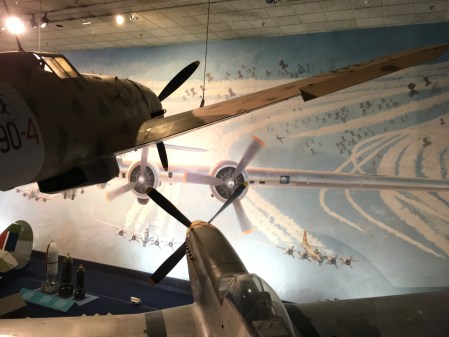
Living my brother's dream of seeing the Air and Space Museum.

Living my brother’s dream of seeing the Air and Space Museum.


I only made him mildly jealous.

I only made him mildly jealous.


At the end of the day, I toured more of D.C. than I have of Cape Cod and then drove to Amalia’s house. I was able to spend some quality time with her two cats and also Amalia and her father.


Fortunately, Amalia's cats were very photogenic. Meet Anna Maria.

Fortunately, Amalia’s cats were very photogenic. Meet Anna Maria.


And of course, the killer cat, Felix.

And of course, the killer cat, Felix.

Day Five: I got my visa. Nothing else is important anymore. I finally got my visa. Five days, 1,568 miles, and eight trips to the gas station later, I finally got my visa.


Lausanne, here I come! One day to go!

Lausanne, here I come! One day to go!

My flight to Switzerland leaves tomorrow, and now that I have my visa, I can calmly start packing. Although, what better way to procrastinate than by starting this blog? Check it out next week when I’m finally in Switzerland!


Maddie in Ireland: Roots

January 13, 2016

There are many terms people use to describe me— “quasi-intelligent” “twenty years old” “emotional” “really, really emotional” “seriously how can someone cry that much” etc— however the one that most aptly describes me is, “Californian”. To my core I am a California girl, a girl who loves bright and loose clothes, someone wants nothing more to just ~chill, man~ and do her own thing, a girl who only wants to see you do the same, someone whose Instagram bio reads “I belong to the Pacific”, someone who is used to 70° winters. What I am not— even after two and a half years at Richmond— is a girl who is used to cold, rain, and non-draught ridden areas.

Taking these natural, life-long tendencies into mind, clearly the place where I decided to apply to study abroad is a country known for fog, shepherds wearing thick sweaters and wool caps, and rolling hills made green by extreme amounts of rain. I’m talking about, of course, Ireland. Éire. Erin. The Emerald Isle. The Most Ancient Land… take your pick.


She’s a beaut.

She’s a beaut.


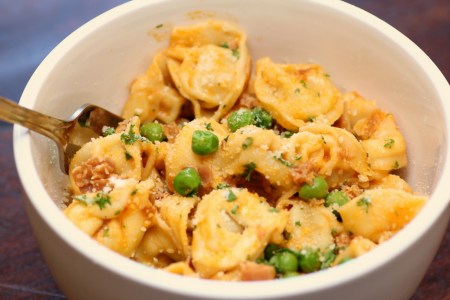
I don’t know what drew me to Ireland. Maybe it was the book of Celtic fairytales my father used to read to me. Maybe it was because it was such a polar opposite from what I knew (Gettit? Polar? Because cold? No? Sigh.). Maybe it was just the romance of it all. Either way, here I am, listening to folk-rock music, sitting in an Irish kitchen, wearing Irish slippers, watching my first Irish sunrise, while eating a traditional Irish dish, tortellini with pomodoro sauce.


Joke’s on you, its totally not Irish.

Joke’s on you, its totally not Irish.


My roommates show up tomorrow morning, so I need to enjoy this solitude while I can, because once I finish this bowl of pasta and head to my room to sleep, I am completely in unfamiliar territory. I’m here entirely and 100% by myself and I have no idea what I’m in for.

I know that for the next four months I’ll always have pasta and pomodoro sauce, I know I’ll have the same sun to watch rise, and I know I’ll have the same music, but I also know that I have a lot of things in my future that are very different from anything/everything that I’m used to.

No matter how far I’ve traveled in the past, no matter how many countries I visited, I always knew that soon I would be headed home to my California. That is no longer the case. Yes, I’m a home-grown California girl in an unfamiliar environment, but I’m here for four months and I think it’s time to spread my roots. California is my identity, but maybe, maybe, maybe, it’s time to uproot myself. Uproot and relocate. Adapt and grow. Ditch my flip-flops for boots. Stop taking the 405 to the 210 and taking a left on Sunset and instead walk a mile to school. Try belonging to the Atlantic instead of the Pacific.

I’ll be seeing you in all the old (un)familiar places,

Maddie Lawrence

Brownie-Maker, Californian, Youngest of Six Children, Proud Member of the Westhampton Class of 2017


Dan in Argentina: Signing Off

January 10, 2016

above BsAs


Six months ago, when I got off the plane in Argentina, I had no idea what to expect, not to mention no idea where to go. My first observation of this country was that they don’t have signs… anywhere! I follow the other passengers on my plane to the long migrations line. It isn’t until ten minutes in that I realize the smallest sign in the distance which reads (in both Spanish and English) “International Visitors.” Cool, I’m in the wrong line.

I “perdón” my way out of the line for Argentine citizens and over to the much longer correct line. The whole time, I worry about speaking with the migrations officer and hoping all my luggage got through the two flight, 15-hour travel day. “Passaporte?” Ahh ok, I’ve got this. I hand the guy my passport. “¿Dónde vas a quedarte?” “Ummm…” ¿¡Dónde vas a quedarte, vos!?” Ahhh…vos?…what? “Where you stay in Buenos Aires?” From this moment, I knew my time here would challenge me. Truly, every day in South America posed a struggle of varying size. Whether waiting 45 minutes for the bus, being ripped off by a cab driver or getting a mild bout of heatstroke, every day was an adventure, an adventure that I loved in its entirety. Argentina and I may have gotten off on the wrong foot but I can’t help but remember this experience as anything less than amazing.


The friends I made during this trip will be some of my best friends for the rest of my life.

The friends I made during this trip will be some of my best friends for the rest of my life.


I will always flock to whatever part of the U.S. my host family visits and I can’t wait to visit them back in Argentina someday!

I will always flock to whatever part of the U.S. my host family visits and I can’t wait to visit them back in Argentina someday!


The places I traveled to in Argentina, Chile and Uruguay are bucket list items for many people.

The places I traveled to in Argentina, Chile and Uruguay are bucket list items for many people.


goodnight


Coming home is the ultimate bittersweet feeling. I have learned to love Buenos Aires. I am finally comfortable traveling around the city, speaking the language, and being far from home. The summertime weather is in full force and I love it. All that being said, I am excited to go home. I missed the beauty of falling leaves and am excited to catch up on some cold nights with coffee by the fire. I can’t wait to see my family and all of my friends. For almost six months, Buenos Aires has been my home, my host family has been my family and my friends have been (please excuse this eye-roll-worthy moment) my everything. Now that I’m going home, I hate to think that all will change.

But in reality, I will return to Buenos Aires one day and feel at home as if nothing changed. I will stay in touch with my host family and see them again someday. And of course, I will see my friends back in Richmond come January. Coming home changes things a little but the way I look at it, I will always have these memories to hold on to this experience.

I couldn’t have asked for a better time. I truly got to know my city, traveled around a little, made amazing friends and learned a lot about the culture, language and daily life in Argentina. I will always cherish this semester.

To the city that had me tapping out many days but excitedly back in the ring the next, I bid you “adios.” To my beloved Buenos Aires, goodnight. Te amo.


Colleen in Singapore: Myanmar

January 5, 2016
Over 2000 temples and pagodas cover the ancient grounds in Bagan. The hot air balloons took off just as the sun began to crawl its way out of the horizon. The combination of the balloons, the silhouettes of hundreds of pagodas, and the thin layer of mist that lurked over the land made it the most breathtaking sunrise I've ever seen.

Over 2000 temples and pagodas cover the ancient grounds in Bagan. The hot air balloons took off just as the sun began to crawl its way out of the horizon. The combination of the balloons, the silhouettes of hundreds of pagodas, and the thin layer of mist that lurked over the land made it the most breathtaking sunrise I’ve ever seen.


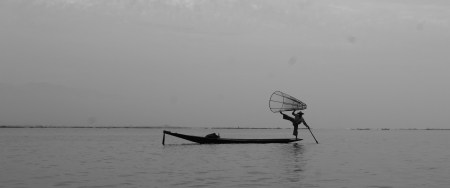
In the middle of Myanmar is Inle Lake, which is home to various tribes. Renting bikes and getting purposely lost was a great way to see the authentic lifestyle of the people of Inle Lake.

In the middle of Myanmar is Inle Lake, which is home to various tribes. Renting bikes and getting purposely lost was a great way to see the authentic lifestyle of the people of Inle Lake.


My friends and I rented a boat one day and set out to see the floating villages, markets, and craft/ specialty shops. One of the specialty shops we stopped at specialised in making handmade scarfs, blankets, and various garments. I was blown away when I learned it took two months to make one handmade scarf. Insane!

My friends and I rented a boat one day and set out to see the floating villages, markets, and craft/ specialty shops. One of the specialty shops we stopped at specialised in making handmade scarfs, blankets, and various garments. I was blown away when I learned it took two months to make one handmade scarf. Insane!


IMG_1800


IMG_1732


The last stop of the Myanmar trip was Yangon. Although I didn’t care for this city, the Shwedagon Pagoda was the most impressive pagoda I’ve seen- and I’ve seen many, many pagodas here in Southeast Asia.

The last stop of the Myanmar trip was Yangon. Although I didn’t care for this city, the Shwedagon Pagoda was the most impressive pagoda I’ve seen- and I’ve seen many, many pagodas here in Southeast Asia.


Colleen in Singapore: Vietnam

January 5, 2016

Here’s another post about a trip to Vietnam:


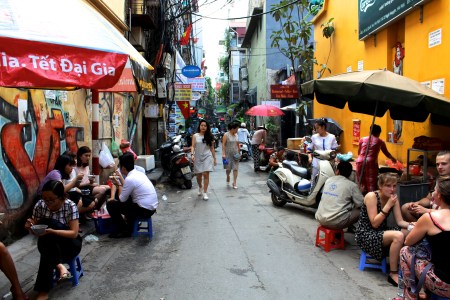
From the mountains to the beaches and bustling cities, Vietnam is as beautiful as it is diverse. In Hanoi, I stayed in the Old Quarter, which seems to be the soul of the city.  I thought I would be overwhelmed by the hustle and bustle of the city, but, much to my surprise, Hanoi had a real charm to it. On Friday night, the streets of the Old Quarter were closed off to local traffic. Vendors, food stalls, and live music filled every street.

From the mountains to the beaches and bustling cities, Vietnam is as beautiful as it is diverse. In Hanoi, I stayed in the Old Quarter, which seems to be the soul of the city. I thought I would be overwhelmed by the hustle and bustle of the city, but, much to my surprise, Hanoi had a real charm to it. On Friday night, the streets of the Old Quarter were closed off to local traffic. Vendors, food stalls, and live music filled every street.


Sapa is a quaint town located in the northwest. The real charm, however, is the surrounding country side with lush mountains that are home to hillside tribes and unforgettable views.

Sapa is a quaint town located in the northwest. The real charm, however, is the surrounding country side with lush mountains that are home to hillside tribes and unforgettable views.


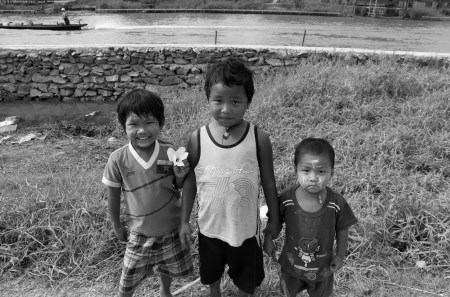
During our hike from the village to Pen's house, which took 2.5 hours, we ran into Pen's son and niece. They do this 2.5 hour walk every morning and afternoon to get to school--and it takes them about 45 minutes.

During our hike from the village to Pen’s house, which took 2.5 hours, we ran into Pen’s son and niece. They do this 2.5 hour walk every morning and afternoon to get to school–and it takes them about 45 minutes.


After taking the night train back to Hanoi and parting ways with my friends, I made my way to Halong Bay. I opted out of the notorious booze cruises and stayed on the island of Cat Ba, located a little further into the Bay.

After taking the night train back to Hanoi and parting ways with my friends, I made my way to Halong Bay. I opted out of the notorious booze cruises and stayed on the island of Cat Ba, located a little further into the Bay.


The last stop of the trip was Hoi An. The ancient town of Hoi An is a World Heritage Site, so the whole town is extremely well-preserved.

The last stop of the trip was Hoi An. The ancient town of Hoi An is a World Heritage Site, so the whole town is extremely well-preserved.


Colleen in Singapore: Northern Thailand

December 28, 2015

How lucky am I to have a mother that traveled halfway around the world to come visit during my recess week? Meet my mother, Patty. After giving her a tour of Singapore we made our way to the city of Chiang Mai, located in Northern Ireland.


IMG_0951

After flagging down a tuk-tuk at the airport, we made our way to our charming hotel, Tanita House. Tanita is a family-owned hotel, made up of a few wooden cabins with plenty of greenery. There is also a great little cafe on the hotel grounds. The almond iced coffee did not disappoint.


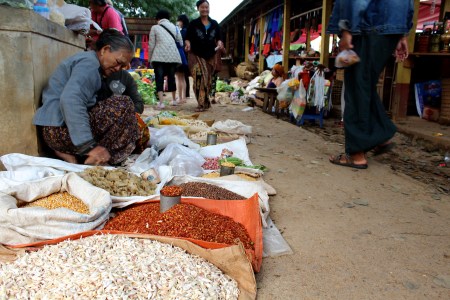
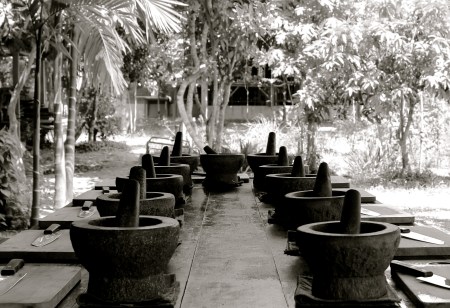
Patty and I decided to take a thai cooking class on Sunday. Before being taken to Thai Cooking School's organic farm for the class, we made a quick stop at a local market to learn about classic Thai ingredients.

Patty and I decided to take a thai cooking class on Sunday. Before being taken to Thai Cooking School’s organic farm for the class, we made a quick stop at a local market to learn about classic Thai ingredients.


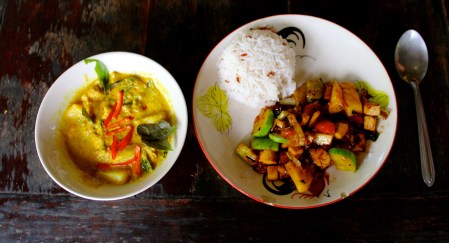
The cooking class lasted for several hours, and I can confidently say that I ate more than any previous Thanksgiving dinner. It was cool to use ingredients straight from the farm (we handpicked them ourselves) and to see all of the ingredients come together to make delicious curry, stir fry, tom yum soup, pad thai, and mango sticky rice.

The cooking class lasted for several hours, and I can confidently say that I ate more than any previous Thanksgiving dinner. It was cool to use ingredients straight from the farm (we handpicked them ourselves) and to see all of the ingredients come together to make delicious curry, stir fry, tom yum soup, pad thai, and mango sticky rice.


The next morning, Patty and I had a full day tour of CHiang Mai. Our guide for the day, Tong, picked us up at Tanita early so we could make morning alms as offerings to the monks . After morning offerings, Tong gave us a tour of Doi Suthep, the most famout temple in Chiang Mai. Today, Doi Suthep is a Buddhist Monastery.

The next morning, Patty and I had a full day tour of CHiang Mai. Our guide for the day, Tong, picked us up at Tanita early so we could make morning alms as offerings to the monks . After morning offerings, Tong gave us a tour of Doi Suthep, the most famout temple in Chiang Mai. Today, Doi Suthep is a Buddhist Monastery.


After grabbing lunch at a local joint, Tong took us to visit the Karen Long Neck Hill Tribe. Here, we learned about the various traditions and culture of the tribe.

After grabbing lunch at a local joint, Tong took us to visit the Karen Long Neck Hill Tribe. Here, we learned about the various traditions and culture of the tribe.


The last activity of the day was elephant riding at a local elephant conservatory. We took a bamboo raft to get there, passing many elephants on the way.

The last activity of the day was elephant riding at a local elephant conservatory. We took a bamboo raft to get there, passing many elephants on the way.


Lindsay in Thailand: Putting the “Study” in Abroad

December 23, 2015

Thailand is full of random adventures, and I myself have had many since my arrival, but I thought this week I would clue you all in a little more on the reason for my being in Thailand—my studies in Khon Kaen.

My program through the Council on International Educational Exchange (CIEE) has a catchy name, Development and Globalization (DG), but you may wonder what actually falls under this umbrella term? My answer? I’m still figuring it out. In the information packet I received, I understood this program as one that allows me the opportunity to “study complex environmental, development, and globalization issues.” It has done that, and so much more.

Unlike our sister program, Public Health, the DG program is not associated with Khon Kaen University near our CIEE school headquarters. It is an entirely separate program that has its own educational model that is much different from most classroom learning models. This program focuses on learning from a ‘human perspective’ by speaking with villagers, NGOs, and government officials among other individuals in the Northeastern Isaan region of Thailand.


The Development and Globalization group met with water buffalo herders during our land and agriculture unit.

The Development and Globalization group met with water buffalo herders during our land and agriculture unit.


This semester, our program focused on the development and globalization issues of organic agriculture, water management, land rights, mining, and also did a Laos agricultural comparative unit. These five units are primarily student-led and are divided into two-week segments. The first week is comprised of reading…reading…and more reading. In this mix, we also have a few guest lectures, Thai language courses and Thai peer tutor sessions focused on our unit topic as well as two discussion and information-based meetings led by the two student unit facilitators. These “UFac” individuals are responsible for not only planning this week, but also providing the link between the Thai ‘ajaan’ professor’s as well as preparing for the following week of exchanges.
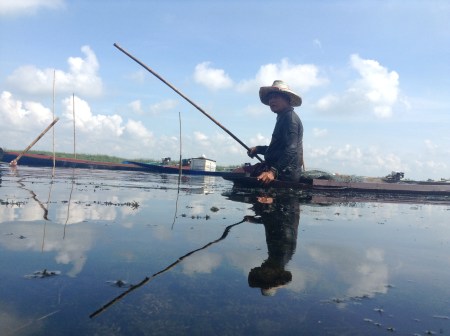
 

In an area affected by a dam construction, this man now fishes where homes used to be.

In an area affected by a dam construction, this man now fishes where homes used to be.


In the second half of the unit, our 10-person DG group, two ajaans, and our beloved ‘wan’ driver make the trek to the local village affected by the development issue we are studying. Throughout our five-day stay, we speak with villagers about their situations and struggles to gain an overview of the issues facing the area. In order to view the situation from the other side, we also meet with government officials who offer the political context. Additionally, we interview local Non-government organizations and NGO persons who are knowledgeable on the subject not only in our current focus area, but also in other areas throughout Thailand.


The infamous “wan” ride with the DG “wamily,” including our translator and driver.

The infamous “wan” ride with the DG “wamily,” including our translator and driver.


Something especially unique about this program is that, during this week of unit exchanges, we actually live with villagers. Two DG students are assigned to one family and homestay, and we reside with them all week. Being able to follow them through their daily routines, learn to cook traditional foods from them, take showers with a bucket of water and a bowl, help them in their garden, round up the qwai (water buffalo), and communicate with them as well as we are able has really made this semester something special for me. In such a short time, we seem to become a member of the ‘krop kruwah’ (family). I have been “a daughter to them” and have even cried when I left some of my homestays. These families have not only taught me so much about Thai language and the social justice issues they face, but they have taught me the true meaning of kindness and making someone ‘feel at home.’
IMG_0459

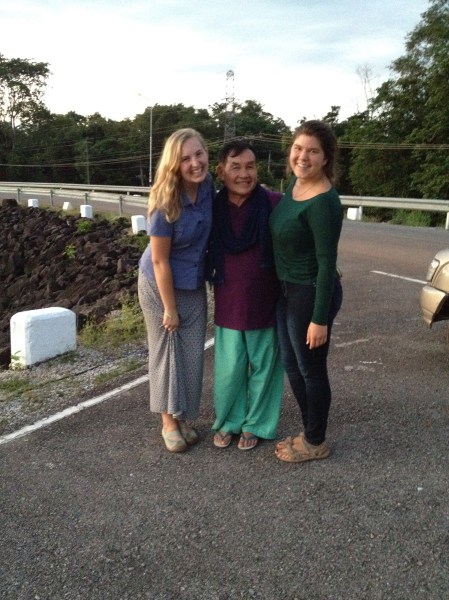
Some of my homestay families and villagers who stole my heart


IMG_0569


OLYMPUS DIGITAL CAMERA

Upon arrival in Khon Kaen, our group is tasked with making a unit ‘output.’This final project is supposed to be a reflection of what we learned over the past two weeks, and often incorporates aspects that would benefit the affected community in some way. After brainstorming as a group, we work vigorously to finish our project and plan a two-hour “workshop” where we present our findings to our ajaan professors and student interns. Some unit outputs have included a lesson plan on organic agriculture, a 25 page report on organic farming barriers, info-graphics concerning land rights issues, paintings reflecting Laotian agency and dependency, and an information packet provided to the European Union before a visit to a mining affected community.


 Kaori, myself, Elyssa, and Megan showing our support for Na Nong Bong, a community we exchanged with who is negatively impacted by a mine in their community.

Kaori, myself, Elyssa, and Megan showing our support for Na Nong Bong, a community we exchanged with who is negatively impacted by a mine in their community.


Following this workshop is the ever so popular “plus, minus, delta” evaluation where we evaluate as a group what we did great and what could have been done better. Additionally, we have a “sadthi” quaker-style meeting to allow personal reflection and expression of our current feelings after an educationally and emotionally exhausting week. Finally, it is time for a good night’s sleep before the repeat.

I have to be honest with all of you. In the beginning of the program, I thought I was in over my head. I saw the little black program planner book as daunting with so many scheduled classes and outside exchanges. I questioned how much time I would have to myself. Yes, I am fully aware that I signed up to ‘study abroad’ but I questioned how much studying was too much abroad. This program is far from what might seem like traditional abroad expectations. I may have not hopped from country to country every other weekend and I may not have shared experiences with many other Richmond students, but I was able to really see Thailand for all its beautiful wonders and civil flaws. I was able to see big city lights and little village dirt roads, I became a ‘regular’ at the local coffee shop, I befriended the coconut ice cream stand lady who knows my order by heart, and I was able to reflect on all these things and more as time passed me by. Although I am sad to be leaving here in a few short weeks, I know that this place, those Thai villagers, and my program friends was, and always will be, a home and family to me.


Dan in Argentina: …and Uruguay

December 18, 2015

panorama


What do you know about Uruguay? For me, I knew absolutely nothing about this small coastal country. Its borders Argentina in the west, Brazil in the north and the Atlantic in the east and contains a little over 3 million citizens. With views like these, it is easy to believe that Uruguay ranks as one of the Latin American countries with the best quality of life.

What do you know about Uruguay? For me, I knew absolutely nothing about this small coastal country. Its borders Argentina in the west, Brazil in the north and the Atlantic in the east and contains a little over 3 million citizens. With views like these, it is easy to believe that Uruguay ranks as one of the Latin American countries with the best quality of life.


In Argentina we have Milagnesa sandwiches (thin, breaded steak and chicken) and in Uruguay they have Chivito sandwiches. This thin steak sandwich comes complete with ham, egg, olives and mayonnaise. It was so good I had it three times during our four day trip.

In Argentina we have Milagnesa sandwiches (thin, breaded steak and chicken) and in Uruguay they have Chivito sandwiches. This thin steak sandwich comes complete with ham, egg, olives and mayonnaise. It was so good I had it three times during our four day trip.


My traveling companions this trip were Lauren and Sam, my University Torcuatu di Tella crew. Here we're standing on Brava Beach in the Hand of Punta del Este. The fingers emerging from the sand are supposed to represent a drowning man. The artist wanted to use his sculpture as a warning to beach goers of the danger of the area's large waves. Since 1982, this sculpture has been a huge tourist attraction and a staple Instagram picture for tourists.

My traveling companions this trip were Lauren and Sam, my University Torcuatu di Tella crew. Here we’re standing on Brava Beach in the Hand of Punta del Este. The fingers emerging from the sand are supposed to represent a drowning man. The artist wanted to use his sculpture as a warning to beach goers of the danger of the area’s large waves. Since 1982, this sculpture has been a huge tourist attraction and a staple Instagram picture for tourists.

s.